In brief
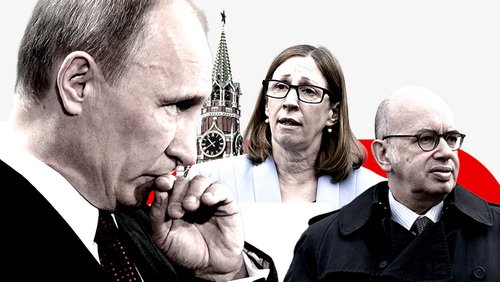
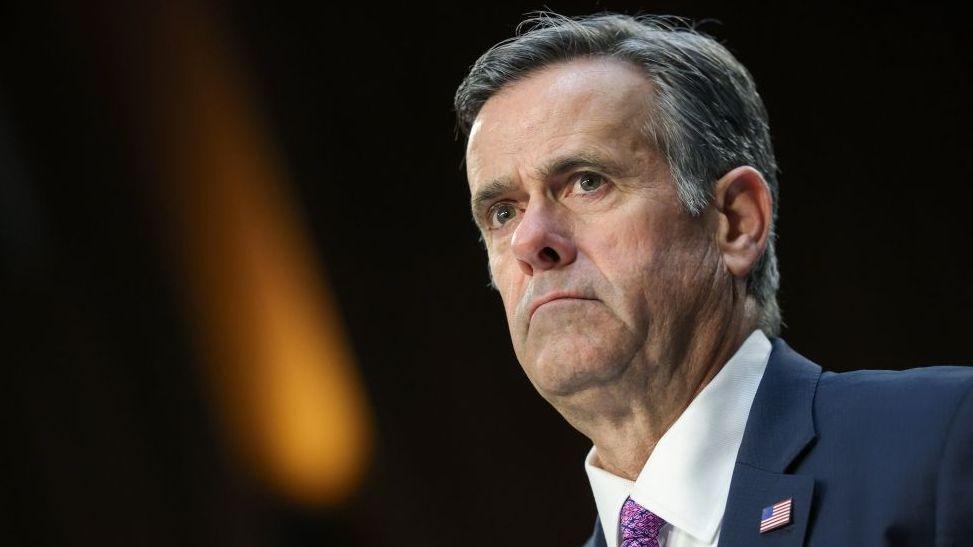
In the early hours of Tuesday, CIA Director John Ratcliffe boarded a U.S. military aircraft and landed in Moscow unannounced. He met with Russian intelligence chief Sergei Naryshkin, heading a dialogue that many analysts believe aimed to warn Moscow against escalating military action in the Baltics and Ukraine. The trip follows a five‑year lull in such visits and comes amid a surge of Russian rhetoric toward NATO allies. U.S. officials say the mission was a “semi‑routine” diplomatic gesture, but the absence of an official statement fuels speculation that the CIA chief was urging restraint from Russia amid growing tensions in the region.
Unannounced CIA Trip to Moscow
On Tuesday, CIA Director John Ratcliffe arrived in Moscow on a U.S. military aircraft without prior notice, a move confirmed by Kremlin officials. In the round‑table session that followed, he met Russia’s chief of foreign intelligence, Sergei Naryshkin. The meeting took place at a time of heightened geopolitical tension, less than a year after Russia’s expansionist rhetoric began targeting NATO member states and the Ukraine conflict gained new intensity.
The trip marks the first such visit in roughly five years since William Burns, Motions over US‑Russia intelligence exchange were then carried out under similar circumstances. Analysts say the CIA’s presence in the capital was “semi‑routine” but “nothing routine” in terms of its secrecy and the breadth of its itinerary.
Why Russia Might Be Hushed Us Review
A U.S. official told Politico that the main purpose of the meeting was to warn Russia against escalatory action against the Baltic states. This warning aligns with the Kremlin’s recent rhetoric to keep NATO’s mutual defence system stable while pressuring allies with a covert, “hybrid” campaign that could include cyber attacks, drone incursions, and sabotage of munitions factories.
Behind the public messaging, other possible motives are rumored: urging Russia to cut its military cooperation with Iran, arranging prisoner swaps, or factoring in large‑scale troop mobilization plans. The absence of a formal U.S. statement keeps the motives shrouded, but the timing—just months after Russia was widely reported to be exploring limited attacks on NATO allies—makes the trip conspicuous.
Potential Impact on NATO and Ukraine
If Russia responds to the diplomatic pressure, it could intensify missile and drone offensives across Ukraine, or, in a more alarming direction, test the boundaries of its nuclear doctrine by deploying tactical warheads to deter further U.S. or NATO interference. Even a weak, targeted strike on a Baltic state could push Russia to test NATO’s Article 5 mutual defence clause, an outcome the U.S. is keen to prevent.
With Ukraine now suffering repeated long‑range strikes that hit energy infrastructure, ordinary Russians are feeling the war’s ripple effects. The U.S. intelligence assessment that President Putin is “under mounting domestic pressure” adds urgency to the CIA’s diplomatic overture.
In the end, the secret Moscow trip was a high‑stakes diplomatic show that, while operating under the guise of a routine militia exchange, likely carried a sharp warning: Russia must not widen the conflict or make moves that could ignite a larger confrontation with NATO allies.