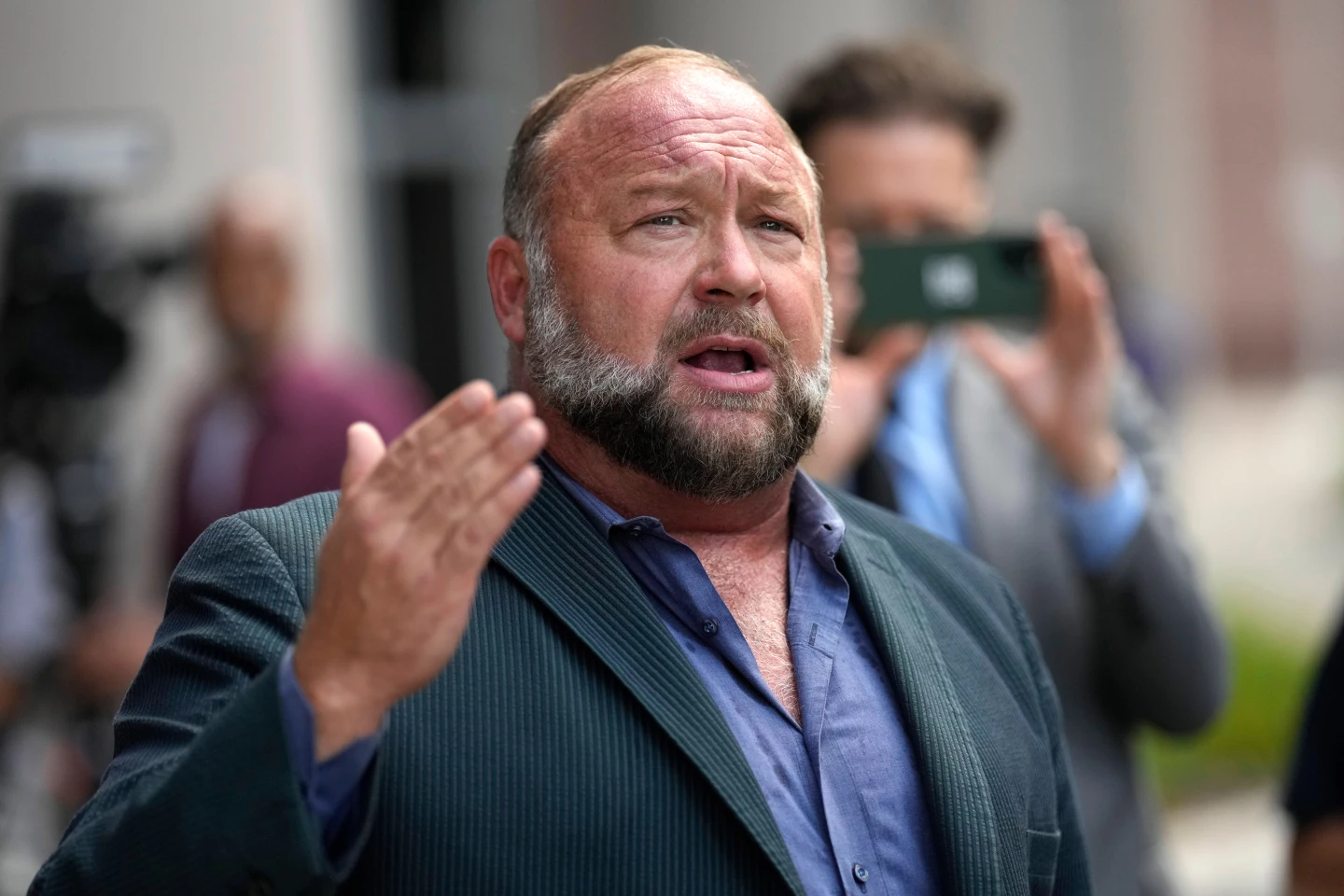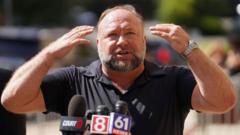
In a recent ruling, Judge Christopher Lopez expressed concern over the lack of competitive bidding in the auction for Infowars. According to the judge, the process did not yield the best possible bids, leading to his decision to reject the sale. Jones's allegations of collusion were dismissed by the court, although the judge pointed out that the auction’s handling by the court-appointed bankruptcy trustee contained “a good-faith error.” He stated that the auction should have been re-opened to facilitate further bidding between the satire news outlet and entities linked to Jones's supplement business.
Infowars, notorious for promoting conspiracy theories, had previously been in the spotlight due to Jones's defamatory claims regarding the Sandy Hook Elementary School massacre, where 26 individuals, including children, lost their lives in 2012. The families of the victims won a defamation lawsuit against Jones, recovering $1.5 billion for the harmful statements he made about the tragedy.
Judge Lopez emphasized that the initial auction structure was flawed and should have encouraged more bidders to participate, thereby increasing competition. Jones's rise from fringe radio in the 1990s to a widely-followed figure was marked by his promotion of controversial theories, particularly surrounding tragic events like Sandy Hook. Although he later retracted his claims regarding the existence of the massacre, the damage inflicted on grieving families led to severe legal repercussions.
Following the defamation lawsuits and financial strain, Jones filed for bankruptcy in 2022. A subsequent ruling mandated the liquidation of his assets, including real estate and personal possessions valued at approximately $8.6 million. The case underscores the ongoing accountability of media figures in the spread of misinformation and its real-world consequences.
Infowars, notorious for promoting conspiracy theories, had previously been in the spotlight due to Jones's defamatory claims regarding the Sandy Hook Elementary School massacre, where 26 individuals, including children, lost their lives in 2012. The families of the victims won a defamation lawsuit against Jones, recovering $1.5 billion for the harmful statements he made about the tragedy.
Judge Lopez emphasized that the initial auction structure was flawed and should have encouraged more bidders to participate, thereby increasing competition. Jones's rise from fringe radio in the 1990s to a widely-followed figure was marked by his promotion of controversial theories, particularly surrounding tragic events like Sandy Hook. Although he later retracted his claims regarding the existence of the massacre, the damage inflicted on grieving families led to severe legal repercussions.
Following the defamation lawsuits and financial strain, Jones filed for bankruptcy in 2022. A subsequent ruling mandated the liquidation of his assets, including real estate and personal possessions valued at approximately $8.6 million. The case underscores the ongoing accountability of media figures in the spread of misinformation and its real-world consequences.