Unveiling the Shadows: MI5's Secrecy and the Fight for Justice
Paul Thompson was shot dead while being driven home in a taxi through Belfast in April 1994 in a sectarian attack by loyalist paramilitaries. The incident, a tragic byproduct of the Troubles, has left an enduring mark on his family and sparked an extraordinary battle over state secrets. Thompson was not specifically targeted; rather, his murder was a part of a failed operation aimed at luring a taxi for another victim.
Following his murder, the Ulster Defence Association claimed responsibility, a group notorious for its violence against Catholic civilians. Residents had informed police about a breach in a safety barrier in Springfield Park, expressing fears it enabled loyalist paramilitaries' access, yet no action was taken to repair it. This breach effectively facilitated the escape of Thompson's murderers.
Despite an inquest opened in 1995, the investigation has never concluded, with no accountability for the murderers. The Thompson family, suspicious of collusion between the British security forces and those behind the attack, has fought relentlessly for the truth. In 2024, a coroner decided to release secret police information relevant to the case but was challenged by MI5 on national security grounds.
This legal dispute epitomizes a broader struggle around the government's policy of neither confirming nor denying (NCND) key information when national security is invoked. Eugene Thompson, Paul’s brother, insisted that state agents were entangled in the circumstances surrounding his brother's death, as he fought against the system's opacity concerning state-sanctioned violence during the Troubles.
As courts upheld MI5's stance, civic rights groups have criticized the ruling as a grim setback for transparency and accountability, arguing it forms part of a recurring pattern where national security provisions conceal state involvement in serious crimes. Eugene Thompson's struggle came to an emotional climax when he witnessed the Supreme Court hearing from his hospice, battling terminal illness while yearning for justice.
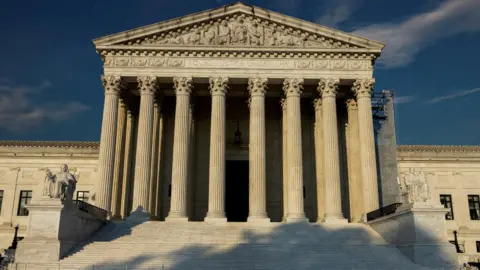
The Supreme Court ultimately ruled that MI5's assessment of national security must be privileged over public disclosure. This ruling has cascading implications, raising concerns about the integrity and accountability of MI5 and other state agents implicated in historical crimes.
Facing an overwhelming fight for answers from bereaved families, questions linger about how much trust the public can place in authorities accused of heavy-handed cover-ups. Future inquiries may further explore whether MI5 can be trusted as the ultimate arbiter of public safety, especially concerning its past decisions.
The Thompson case exemplifies a growing narrative in Northern Ireland, where families are compelled to assume the roles of investigators in their pursuit of justice. The enduring fight of Eugene Thompson and his family ignites a powerful call for truth, unmasking the shadows of secrecy surrounding crimes that haunt society to this day.