In brief
In a bold move, Israeli Prime Minister Benjamin Netanyahu has ordered direct negotiations with Lebanon, aimed at addressing the disarmament of Hezbollah and improving relations. However, Netanyahu has ruled out any ceasefire, stating 'There is no ceasefire in Lebanon,' as Israeli military actions intensify. While the U.S. plans to host discussions next week, Lebanese officials insist on a ceasefire before talks start, a point of contention underscored by recent devastating airstrikes that resulted in significant civilian casualties and hospital resource shortages.
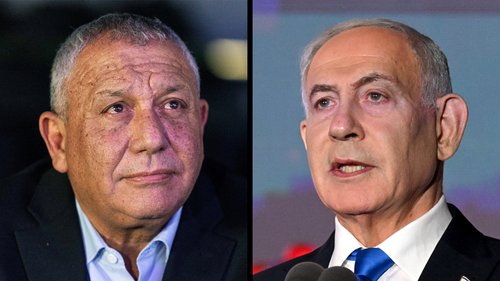
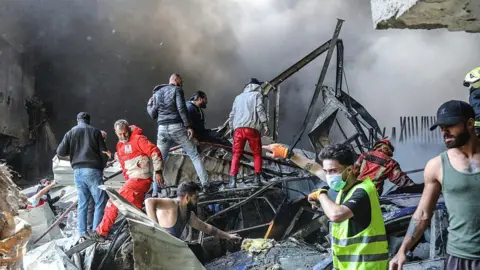
Israeli Prime Minister Benjamin Netanyahu has ordered his government to begin direct talks with Lebanon, he said in a statement on Thursday. Netanyahu stated that negotiations will focus on disarming Hezbollah, the Iran-backed Lebanese political and militant group, and establishing peaceful relations between the two countries.A US State Department official confirmed that a meeting will be held next week to discuss ongoing ceasefire negotiations with Israel and Lebanon. However, Lebanese officials have called for a ceasefire before the talks begin. In a subsequent address to residents of northern Israel, Netanyahu firmly declared: 'There is no ceasefire in Lebanon.'On Thursday, Israeli airstrikes continued, targeting what the military described as Hezbollah rocket launch sites in southern Lebanon, with fresh evacuation warnings issued for residents in the southern suburbs of Beirut. The head of the World Health Organization, Tedros Adhanom Ghebreyesus, noted that the strikes affected zones housing major hospitals and shelters.With over 303 casualties reported from recent Israeli strikes and more than 1,800 deaths documented since the conflict escalated, the humanitarian crisis grows. The Lebanese government has instructed security forces to limit weapons in Beirut exclusively to state institutions, as the talks loom amidst increasing violence and the ongoing strain on medical facilities due to the conflict.Despite the call for a ceasefire by Lebanese President Joseph Aoun, who emphasized that it was the only solution to end the brutality, Netanyahu's plan seems resolute, raising concerns about the feasibility and potential outcomes of the forthcoming negotiations.