In brief
Delhi's air pollution has reached alarming levels, with hospitals witnessing a dramatic increase in respiratory ailments among children. The toxic environment, laden with PM2.5 particles, poses significant health risks, leading many parents to panic over their children's wellbeing. Despite government interventions, the crisis persists, prompting discussions on the long-term implications for children's health.
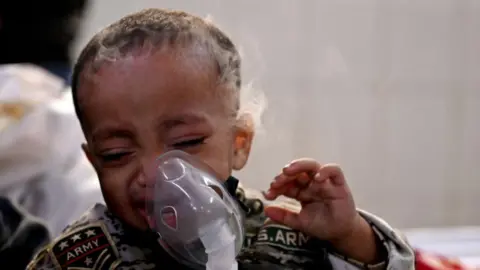
The toxic haze shrouding the Indian capital, Delhi, spares no one, but its children are counting the biggest cost of the city's worsening and recurrent pollution problem. Nowhere is this more evident than at paediatricians' clinics. The BBC visited one such facility in Noida, near Delhi, on a weekday morning a few days back.In a packed waiting hall outside the doctor's consulting room, anxious parents stood in line with children sneezing, coughing or complaining of breathing difficulties. Most started falling ill in October, when the capital's air quality dipped to hazardous levels and waiting times for doctor's appointments had stretched longer than usual.Toxic air is a recurring problem in Delhi and across parts of northern India during the winter. There isn't a single cause behind the problem, but a mix of factors like low wind speeds, industrial emissions, vehicle exhaust, dropping temperatures, and the seasonal burning of crop stubble in neighboring states. Since last month, Delhi's Air Quality Index (AQI) has been hovering between 300 and 400, more than 20 times the limit recommended by the World Health Organization. Readings above 400 affect all healthy people and seriously impact those with existing diseases, but high exposure to PM2.5 hits children and the elderly the hardest.Across the capital, many hospitals have seen an influx of children who are sick because of the unbreathable air. These particles can affect the child's immunity, especially because their system is still developing and the cells are learning an immune response in the early years, Dr. Shishir Bhatnagar, a paediatrician at the Noida clinic, told the BBC.Every year, the government rolls out emergency steps to curb the smog. However, despite efforts to halt construction and ban polluting vehicles, the pollution crisis persists, spurring anxiety among parents in Delhi.Khushboo Bharti, 31, recalls the panic she felt when her one-year-old daughter, Samaira, had to be rushed to the emergency room after a violent coughing fit. After treatment, Samaira was diagnosed with pneumonia, leaving her mother on edge with every cough since.Experts indicate that the epidemic of respiratory issues in children is linked to long-term exposure to toxic air, with potential lifelong consequences for their health. Parents are increasingly considering relocating to ensure their children can breathe safely, highlighting the dire need for systemic change in Delhi's approach to air quality management.For now, children stay indoors more frequently, but many parents question how long this can continue, as outdoor play is essential for growth and development. The situation calls for immediate action and lasting solutions to safeguard the health of Delhi's children.