In brief
A shocking undercover investigation has uncovered that the THQ Taunsa Hospital in Punjab, Pakistan, played a key role in a child HIV outbreak by reusing syringes, leading to the infection of at least 331 children. The investigation, conducted by BBC Eye, documented numerous unsafe injection practices, raising serious concerns about the hospital's infection control protocols. Families are devastated as they cope with the stigma and health consequences of HIV, while authorities face pressure to address ongoing unsafe practices within the healthcare system.
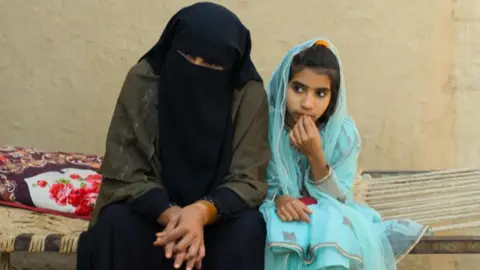
In a distressing report, the BBC Eye has revealed the shocking reality of unsafe medical practices at THQ Taunsa Hospital in Punjab, Pakistan, where a child HIV outbreak was closely tied to the reuse of syringes during treatment. Documented by undercover filming, the investigation shows alarming negligence, with syringes being reused on multiple occasions, thereby posing a significant risk of viral transmission amongst young patients.Among the victims is Mohammed Amin, who tragically died shortly after being diagnosed with HIV. His sister, Asma, also tested positive for the virus, prompting fear and stigma within their community. These two cases are part of a broader crisis, with 331 HIV cases identified among children since the outbreak began.The investigation highlights that although local authorities initially responded by suspending hospital officials, unsafe practices persisted months later. Undercover footage shows medical staff injecting patients without sterile gloves and reusing syringes, which Dr. Altaf Ahmed, an infectious disease expert, confirms poses a high risk for HIV transmission.Despite numerous allegations and visual evidence, the hospital's new superintendent denied accountability, asserting that the footage could have been fabricated or prior to his appointment. Meanwhile, parents remain anxious about their children's treatment and the implications of the hospital's practices on their health.Asma, facing a life of treatment for a condition she should never have been exposed to and dealing with the social stigma attached to HIV, continues to dream of becoming a doctor, expressing hopes that one day she'll be able to help others like her.This investigation probes not only the culpability of the THQ Taunsa but also broader systemic issues in Pakistan's healthcare system, prompting urgent discussions on health care standards and safety measures.