Delhi erupts as freed ‘cockroach’ protest leaders vow to keep marching
By Geeta Pandey and Zoya Mateen, BBC Delhi

Getty Images
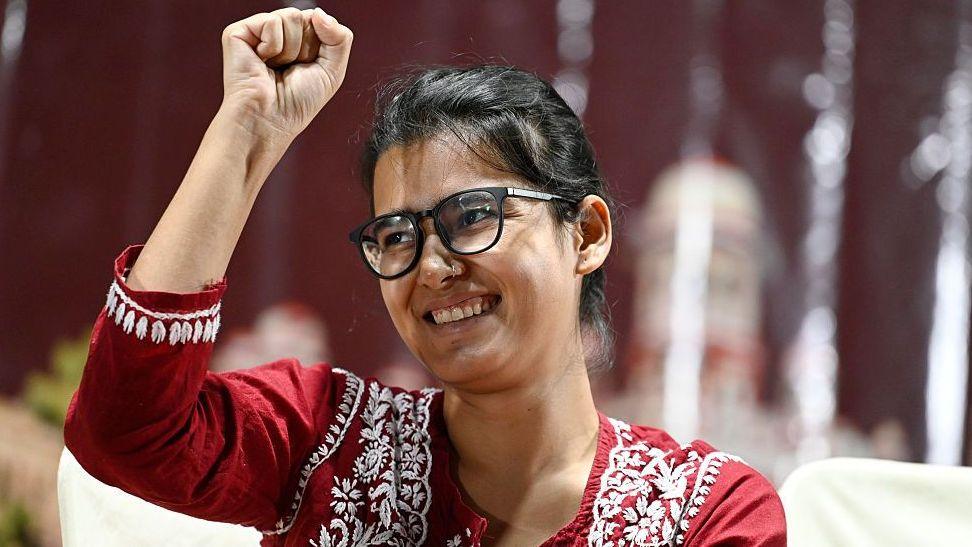
Delhi was a bullseye for protests on Sunday after the city’s largest youth movement – the Cockroach Janta Party (CJP) – announced its leaders had been released following an arrest the previous day. The group, which sprang from a viral social media post, is demanding the resignation of Chief Election Commissioner Gyanesh Kumar over alleged voter‑roll irregularities and calling for sweeping electoral reforms.
Abhijeet Dipke, the party’s founder who launched the movement in May after a judge’s remark likening idle youth to cockroaches, said in a post on X that “the CJP will neither back down nor be intimidated.” In a court‑ordered release, Dipke, Saurav Das and Ashutosh Ranka were freed on a condition they refrain from breaching peace for one year.
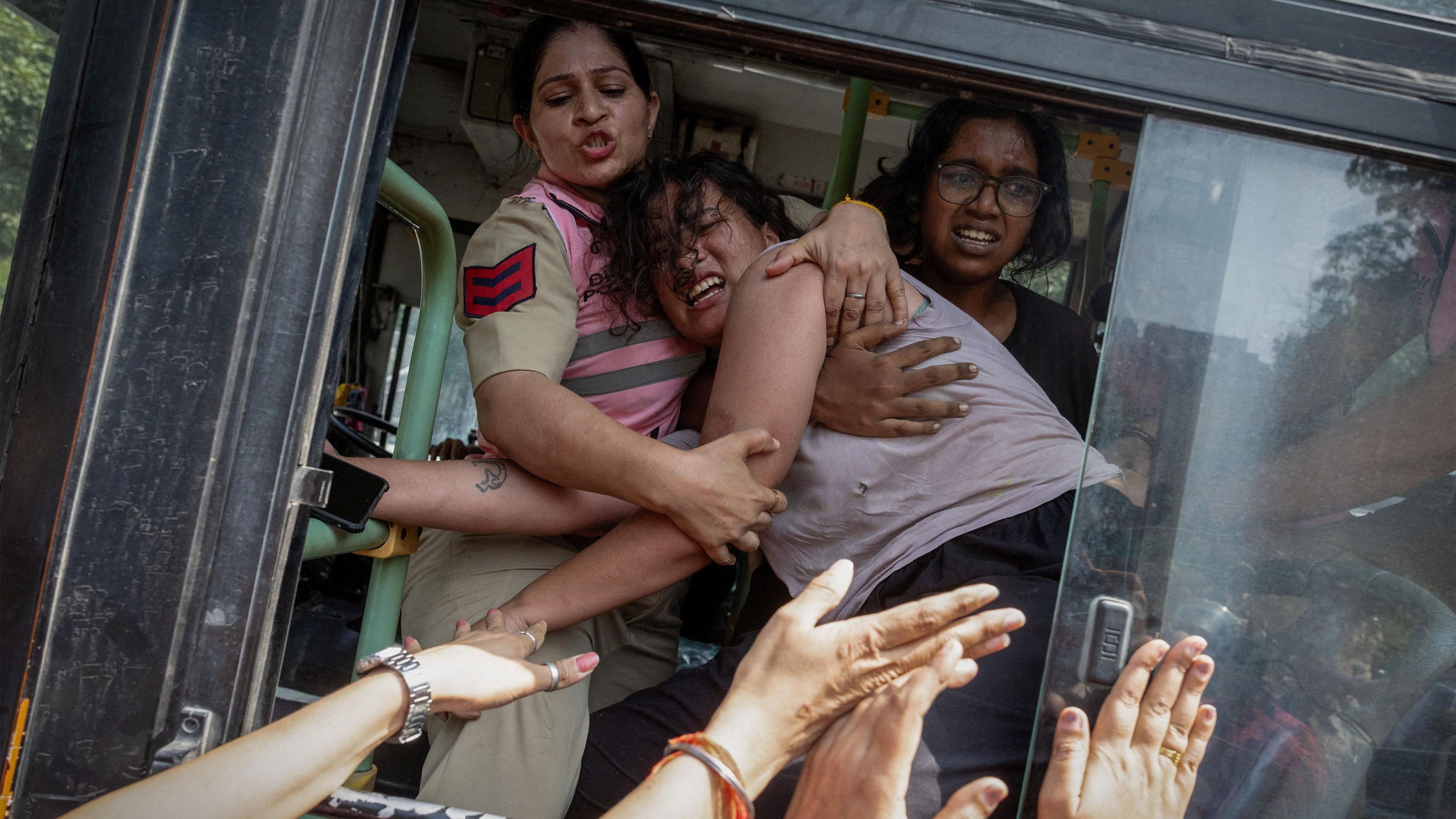
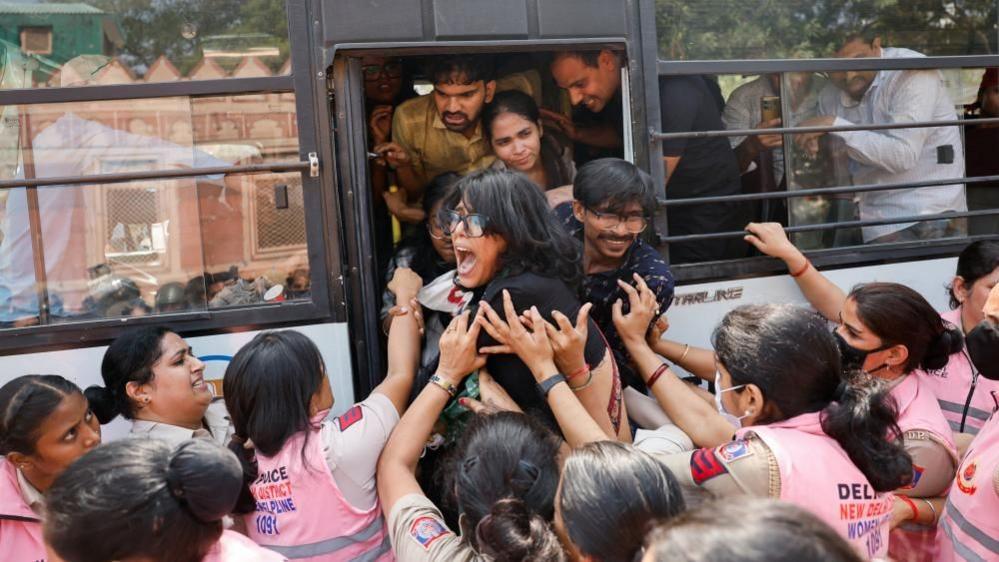
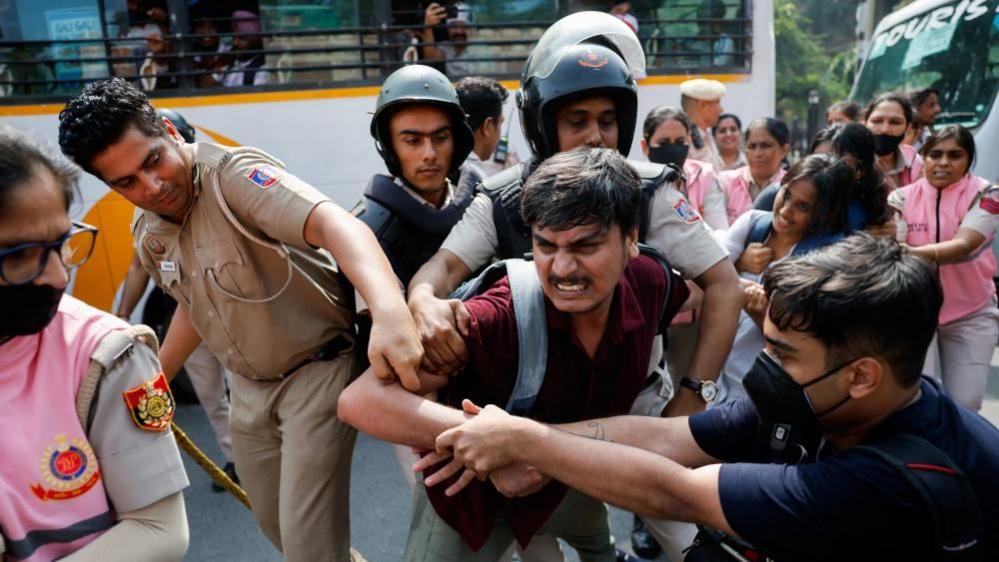
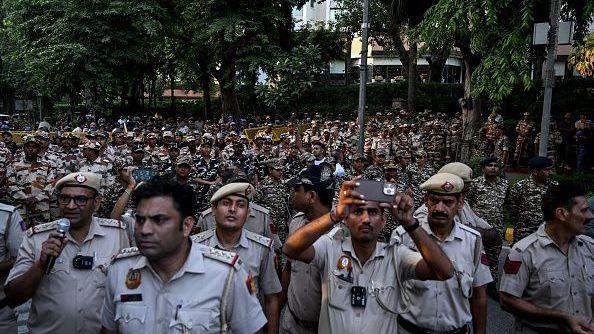
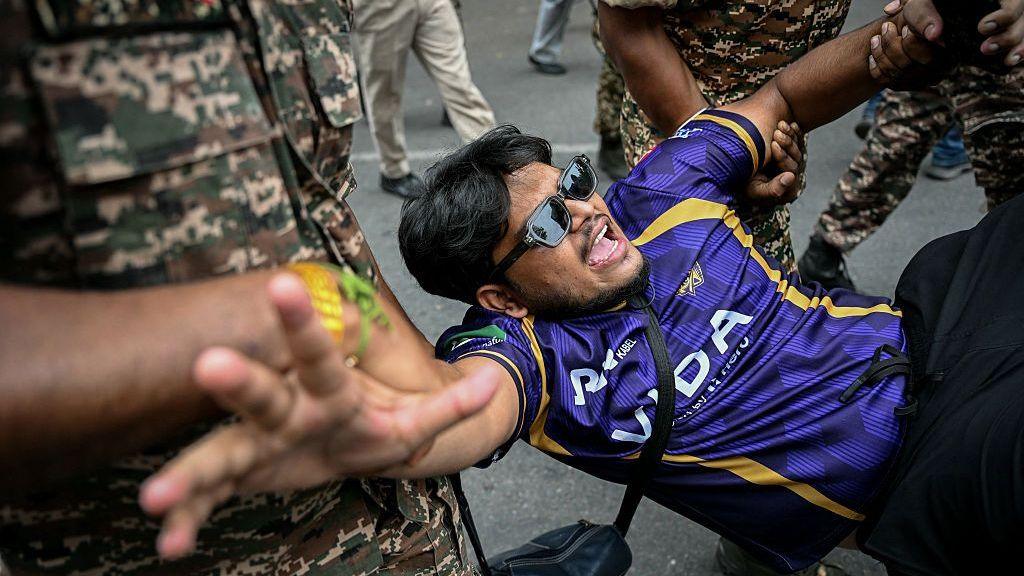
Despite the release, the protests did not waver. The streets of Connaught Place – a hotspot for Delhi’s commerce and politics – were lined with bright yellow police barricades and manned by thousands of law‑enforcement officers. While the CJP announced a new march at Jantar Mantar, hundreds of demonstrators were detained in the city’s central business district and then whisked onto buses.
The police crackdown was violent: activists such as Neha Bora were chased and seized, and onlookers described the atmosphere as “chilling.” Many protest leaders felt the momentum was stalling without their presence on the ground, but promising their fight would continue.
A special hearing by India’s Supreme Court on Sunday ordered the restoration of internet services and the reopening of metro and rail stations unless new disturbances arose, a move that temporarily eased restrictions on public movement.
Why are people protesting?
At the core of the unrest is a controversial exercise to update the voters’ roll. While the Election Commission claims it is a routine purge of dead and duplicate entries, opposition parties and the CJP allege that the process disproportionately targets voters likely to oppose the ruling BJP, favouring Prime Minister Narendra Modi’s party.
The CJP, which grew out of earlier protests over education reforms and the resignation of Education Minister Dharmendra Pradhan, harnessed the frustrations of millions over unemployment, leaked exam papers, and political accountability. Their message remains that “peaceful protest is a constitutional right” and that the movement will persist until change is achieved.
Read more on the movement and other related stories, or share your eyewitness reports on PulseWire’s live map and discussion platform.