Nationwide ‘I Am Jane Doe’ Protests Demand End to Sexual Violence
Hundreds of activists, scholars and ordinary citizens gathered in cities and college campuses across the United States on Thursday, Oct. 8, in a massive wave of protests that called on law‑makers, universities and law‑enforcement agencies to “stop sexual violence.”
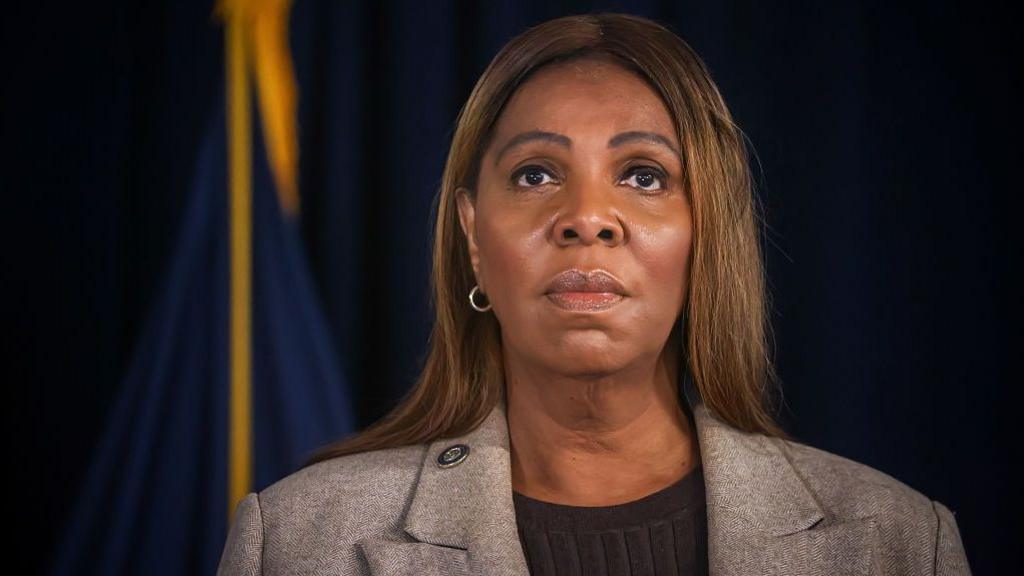
The demonstrations were sparked by a civil lawsuit filed by a woman—known publicly only as “Jane Doe”—who claims that she was drugged and sexually assaulted by members of Cornell University’s Chi Phi fraternity in October 2024. Doe said that the university’s handling of the allegations was “shoddy” and that it failed to discipline those involved. In response, New York Governor Kathy Hochul appointed the state’s attorney general to serve as a special prosecutor, reopening the case and sending a clear signal that the state would not tolerate impunity.
Across more than 40 states, protestors chanted “I am Jane Doe” and held signs demanding policy changes, increased campus safety training, and support services for survivors. The movement has drawn attention from student unions, civil‑rights organisations and a wave of local governments who have agreed to brief law‑enforcement and public‑health partners on how to handle reports of campus sexual assault.
The gathering was also marked by social media posts that used the hashtag #StopSexViolence to flood feeds with calls for accountability, new legislation and greater transparency from higher‑education institutions. Broad participation includes many students who say they have known survivors or personal experience with sexual violence, reflecting a national call for systematic change.
While the immediate focus remains on the Cornell case, organisers warn that the protests signify a broader push for nationwide reform. They seek to redraw the legal and institutional framework that historically protected perpetrators in academic settings and encouraging stricter oversight and reporting requirements across all universities.
The movement’s leaders argue that without systemic change, sexual violence will continue to go unchecked. They urge lawmakers to pass legislation guaranteeing timely investigations, as well as to fund support services for survivors, as a starting point for comprehensive reform.