Three years after the Hamas attack on 7 October 2023, the quiet streets of Kfar Aza pull open as residents seek answers.
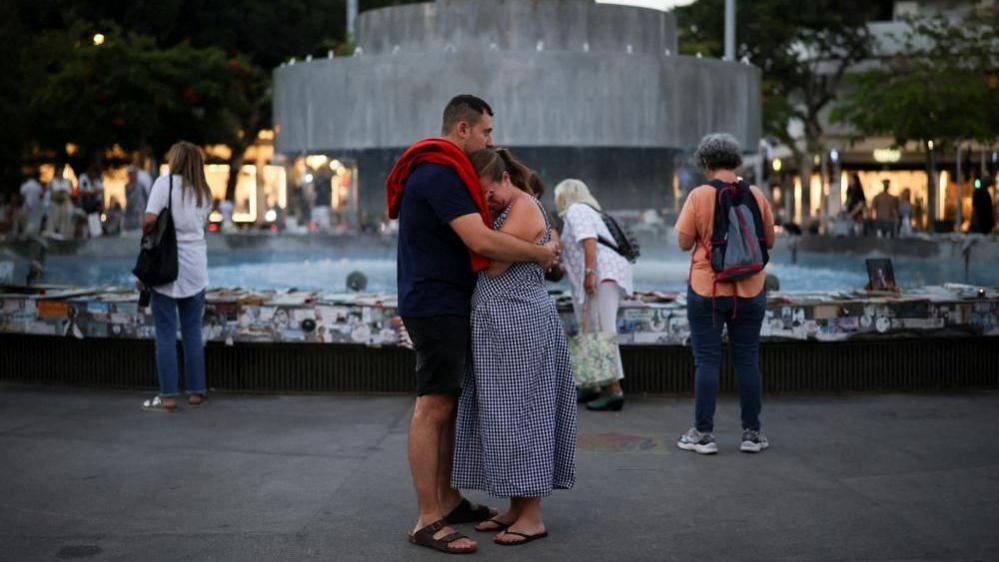
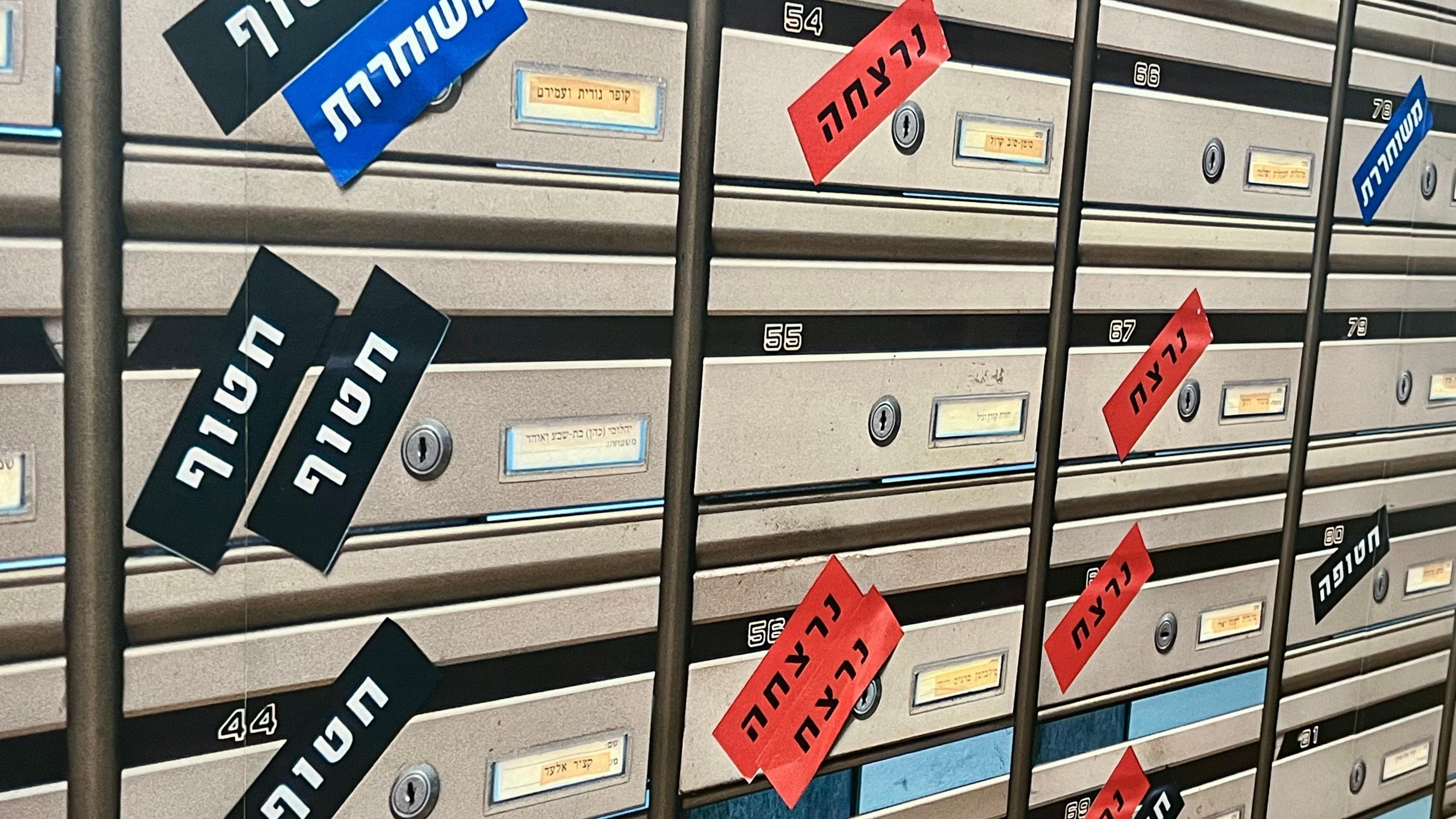
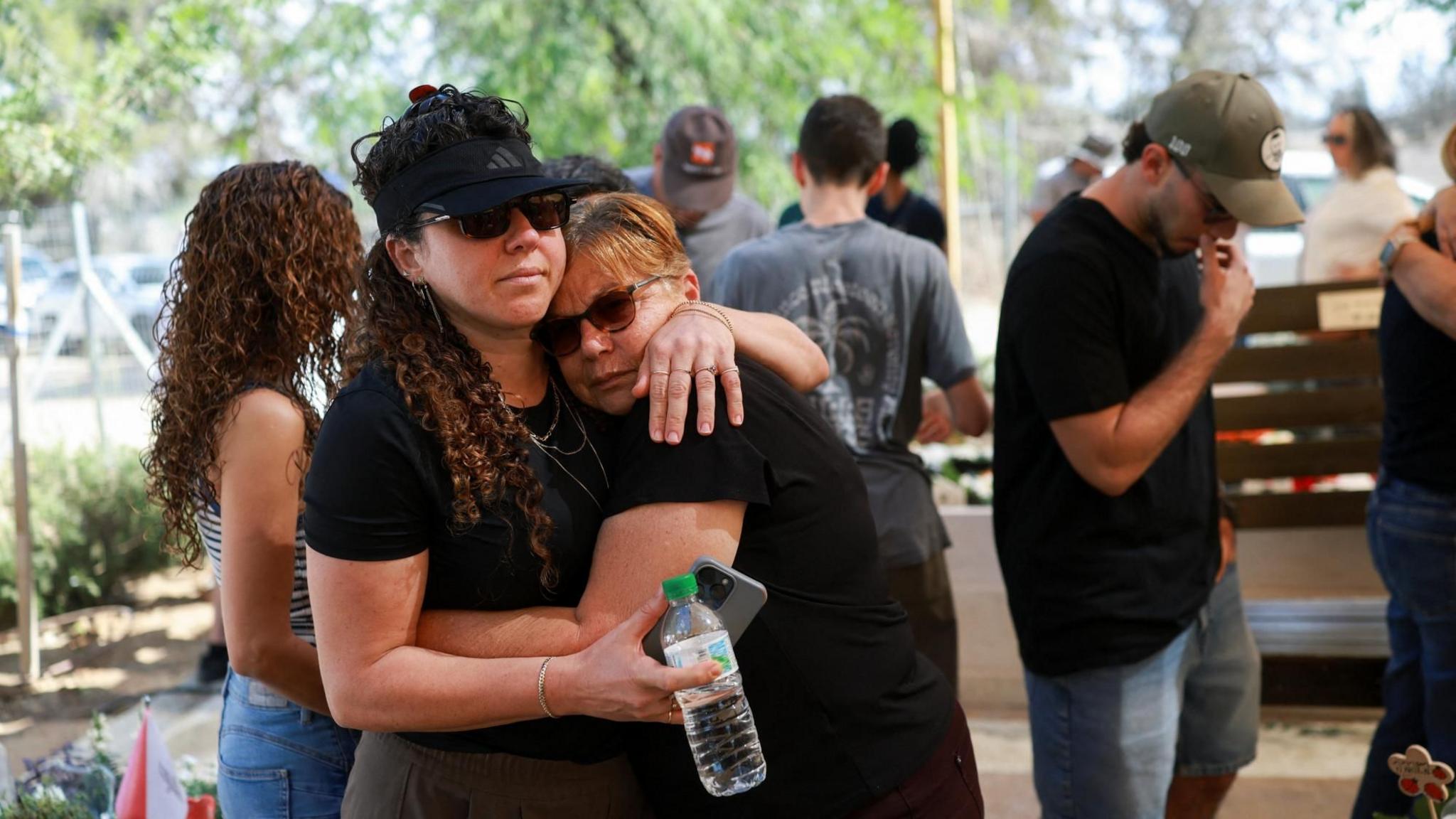
At dawn the kibbutz gathered by the armory‑now‑candle‑lit memorial, reflecting on the loss of 14 civil‑defence squad members and 64 villagers, while 19 remain hostaged.
Inbar Goldstein, whose brother and niece were among the dead, demands that Israel’s leadership take responsibility for the security failure that allowed the assault.
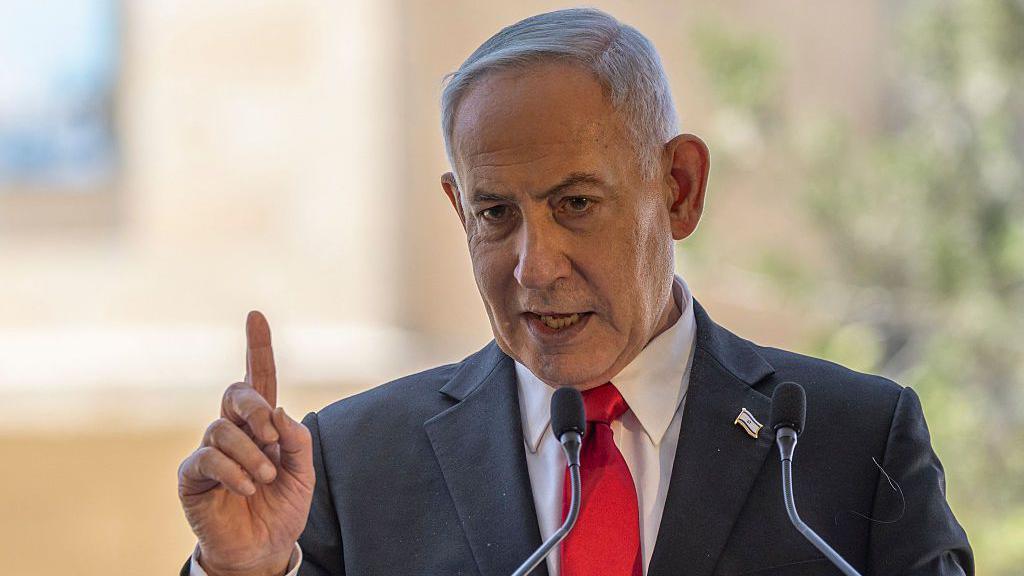
Despite the grief, no formal state inquiry has been set up; Netanyahu avoids admitting fault and is campaigning on a pledge to stay “tougher” than ever.
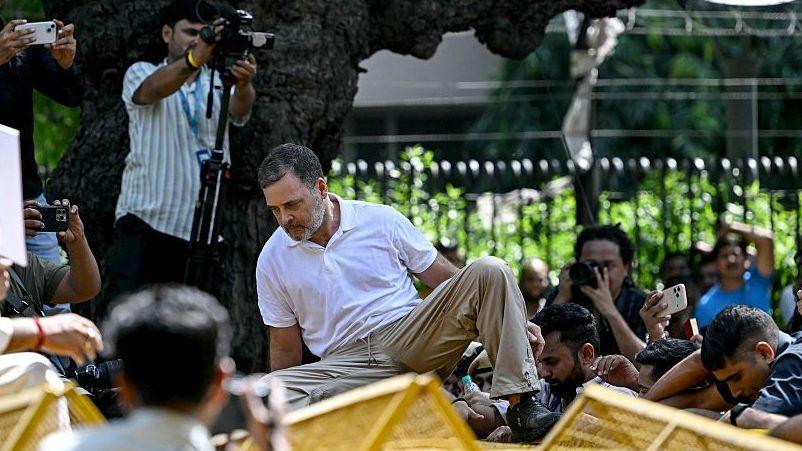
Opposition politicians like Yizhar Shai and Gadi Eisenkot have urged the judiciary to push a commission, but arguments over bias have stalled parliament.
The nation’s next election will test whether voters accept a leader who refuses to own the mistakes that cost hundreds of lives, or if they will choose a new direction for security.
The absence of accountability continues to haunt the surviving families and fuels a growing demand that Israel answer the questions that linger three years after the attack.