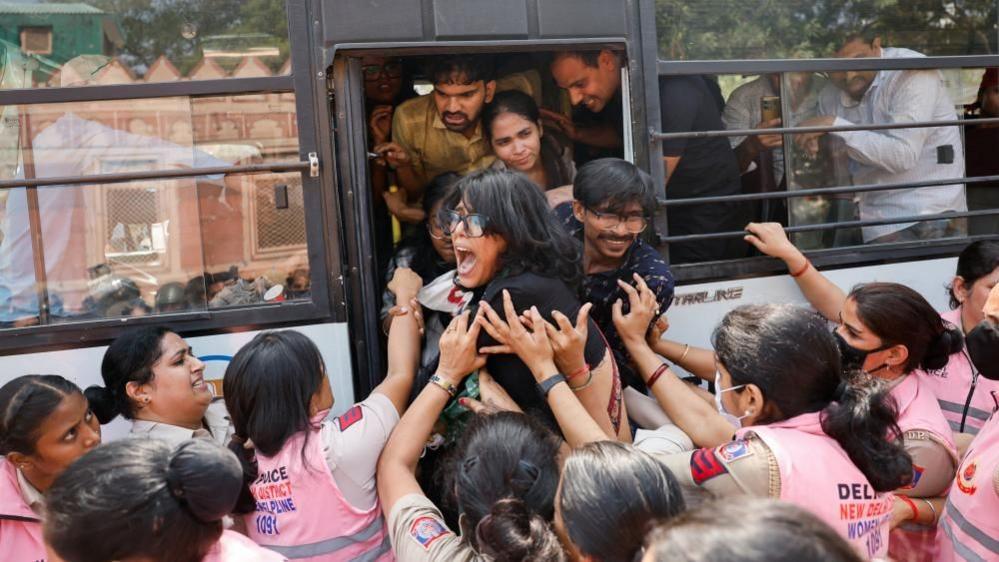
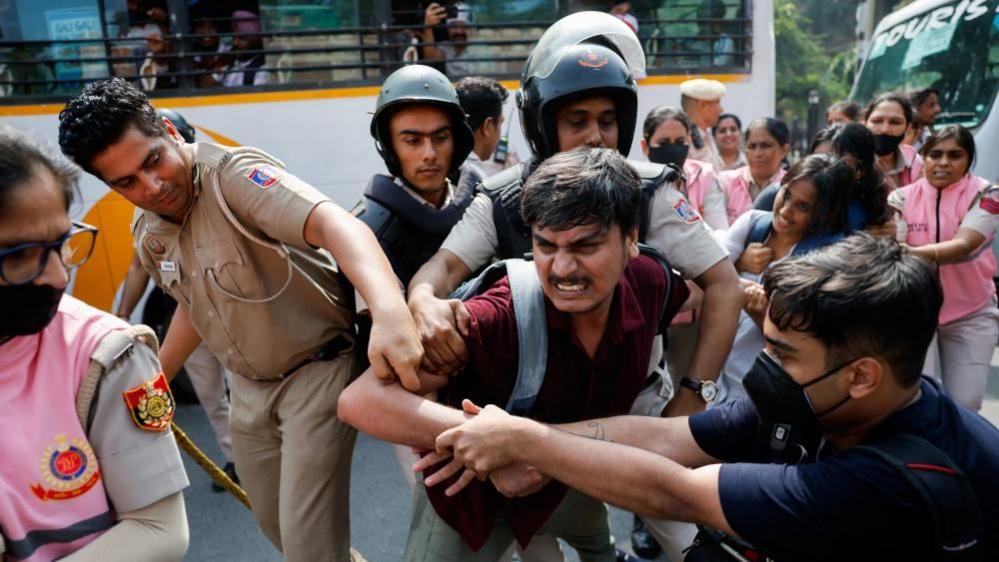
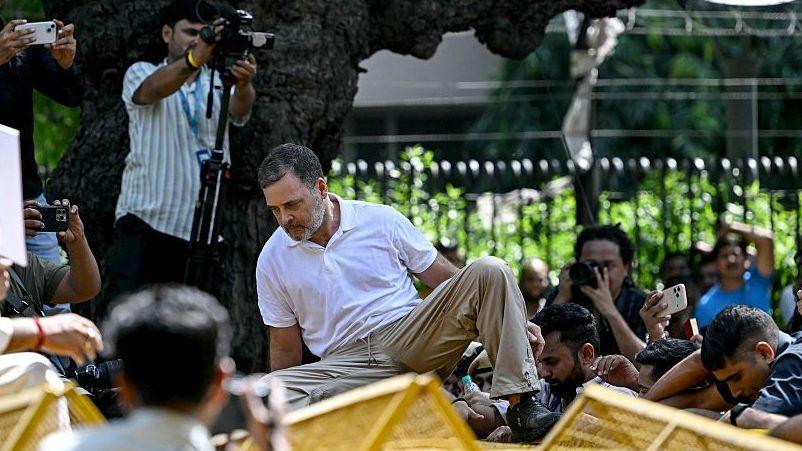
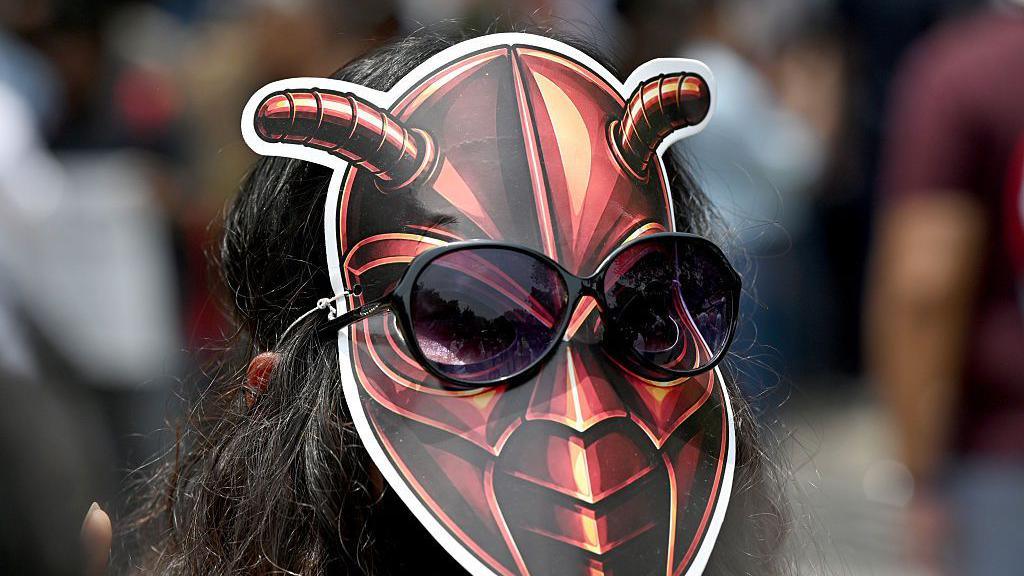
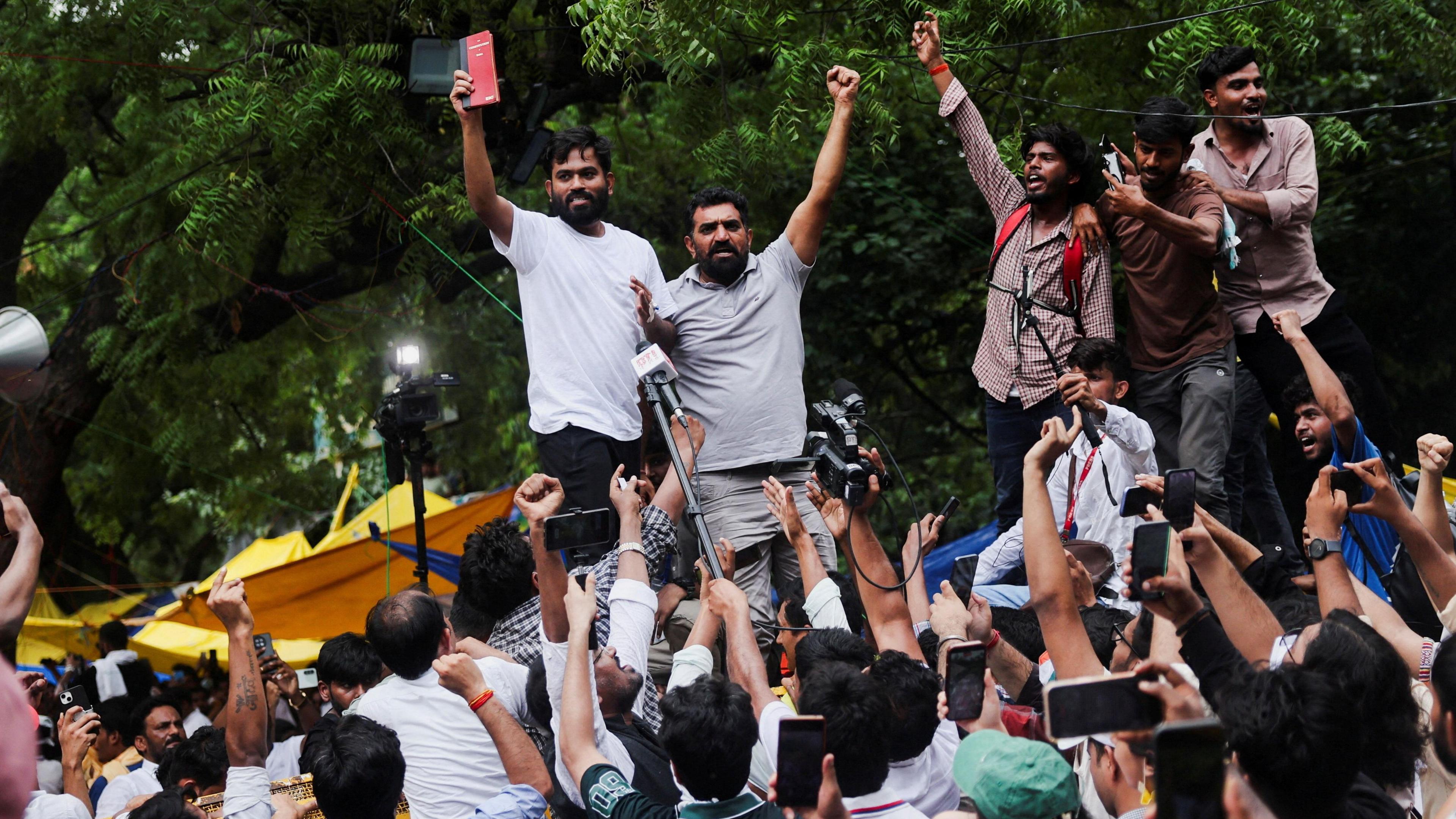
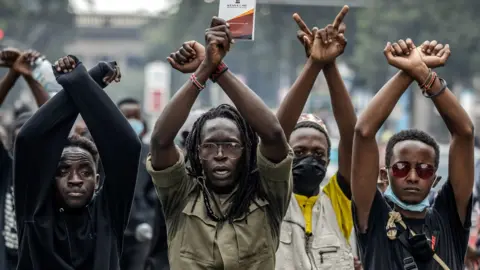
On Monday night a planned march by the Cockroach Janta Party (CJP) turned into a flashpoint when Delhi police detained hundreds of its leaders, sparking outrage across the city.
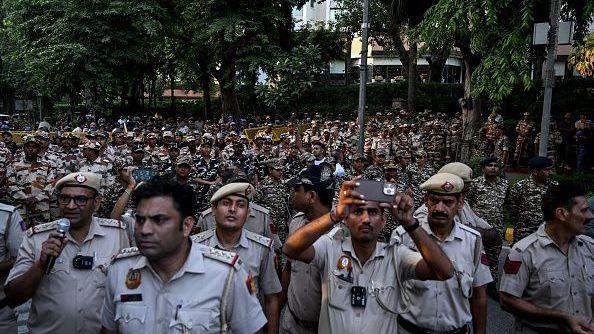
The demonstration was organised in response to a comment by a Supreme Court justice who likened unemployed young people to cockroaches, and was scheduled for 5 pm at Connaught Place. Although organisers prepared to march, Delhi police rejected the application, deploying more than 50,000 security personnel and erecting roadblocks to block the route.
Despite the ban, CJP activists set out to press on. Video posted to social media shows founder Abhijeet Dipke, along with several other leaders, being handcuffed by officers shortly after they entered the capital. Eyewitnesses reported protesters slamming bus windows in protest of the arrests.
BBC correspondent Azadeh Moshiri was on the ground, observing that the police response was swift and forceful. She notes that the detained leaders were taken into custody under the Prevention of Terrorism Act, a move that has raised questions about the limits of protest rights in India.
The incident has reignited debate over the government’s handling of dissent and the role of the judiciary in framing public sentiment. As CJP plans future protests, the Delhi police reserve extensive resources to prevent further clashes, stoking tension between the party and state authorities.