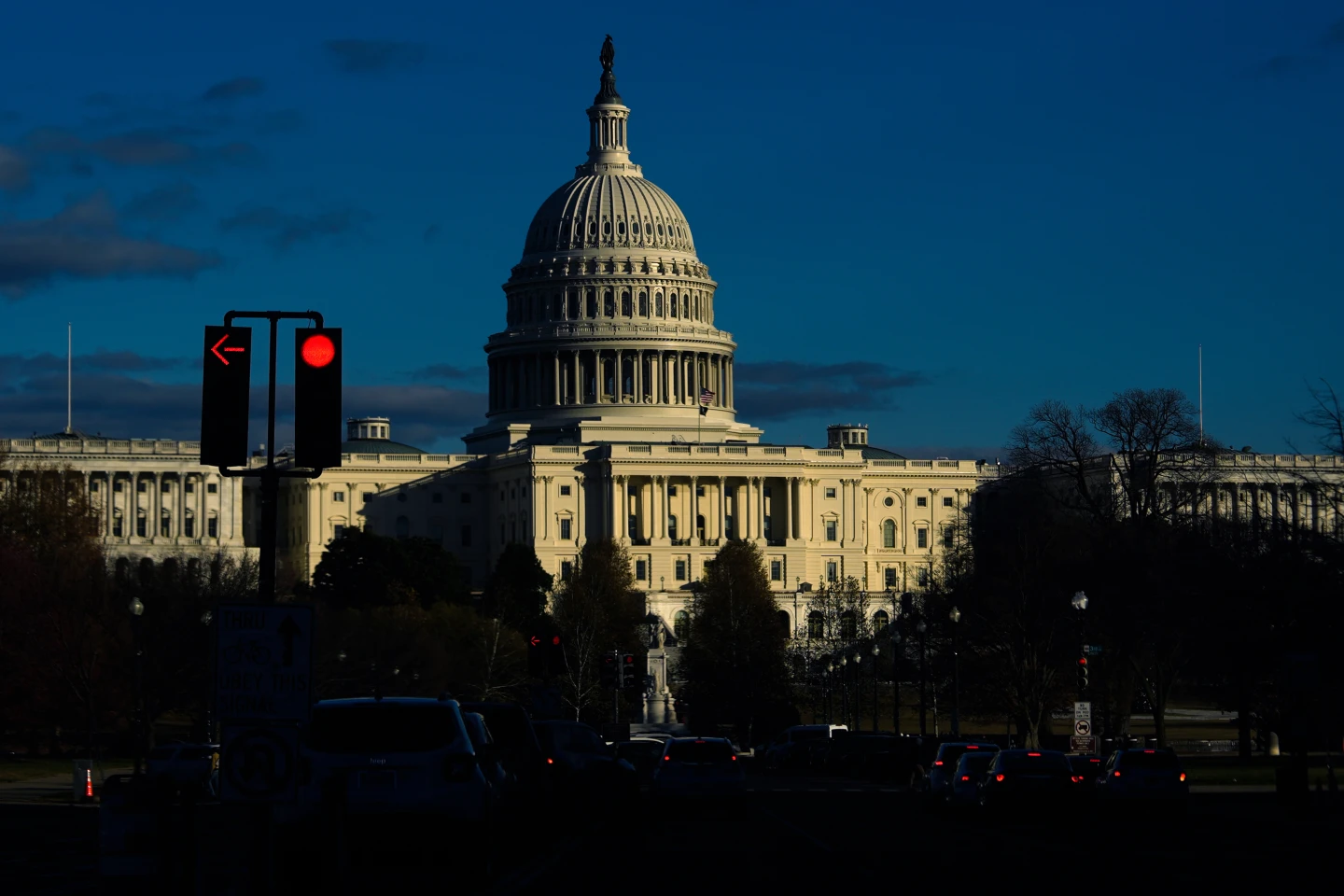
ORLANDO, Fla. — Florida Governor Ron DeSantis announced on Wednesday his intention to convene a special legislative session in April to redraw congressional districts. This decision comes in the backdrop of an anticipated U.S. Supreme Court ruling that could significantly impact redistricting across states.
DeSantis is adopting a wait-and-see approach, citing a possible ruling on Section 2 of the Voting Rights Act stemming from the case of Louisiana v. Callais. This section prohibits discriminatory voting practices and could affect the configuration of Florida's districts.
I don’t think it’s a question of if they’re going to rule. It’s a question of what the scope is going to be,” DeSantis stated at a news conference in Steinhatchee, Florida, highlighting that at least one or two of Florida’s districts might be impacted by the ruling.
Currently, Republicans hold 20 of Florida’s 28 congressional seats. Revising district boundaries could enhance their representation, bolstering broader GOP efforts to secure additional seats in the midterm elections and maintain control of the closely divided U.S. House.
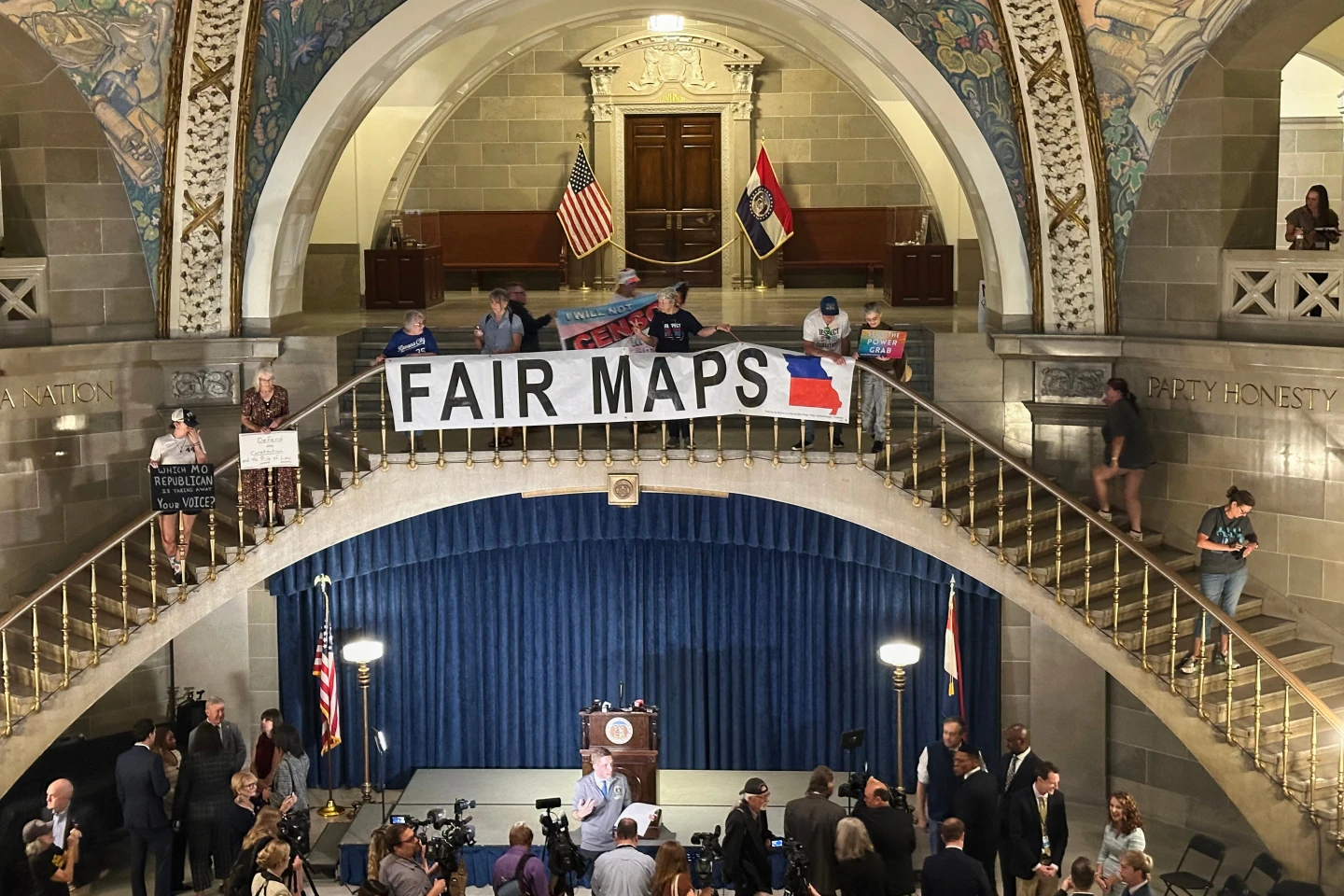
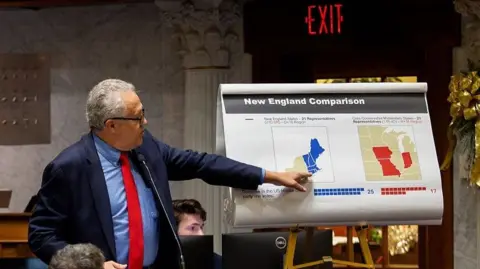
The ongoing redistricting conflict is part of a national trend, with states engaging in mid-decade redistricting battles. So far, similar to initiatives in states like Texas and North Carolina, Republicans aim to gain nine more seats, while Democrats expect six additional seats in California and Utah.
In 2010, over 60% of Florida voters approved a measure that barred the drawing of district lines with partisan advantage, yet recent court rulings have challenged the effectiveness of those regulations. Last July, the Florida Supreme Court upheld a redistricting map that critics argue contravenes the 'Fair Districts' amendment.
As preparations for the special session move forward, the state's congressional map remains under scrutiny, with House Speaker Daniel Perez having established a committee last August to investigate these matters further.
DeSantis is adopting a wait-and-see approach, citing a possible ruling on Section 2 of the Voting Rights Act stemming from the case of Louisiana v. Callais. This section prohibits discriminatory voting practices and could affect the configuration of Florida's districts.
I don’t think it’s a question of if they’re going to rule. It’s a question of what the scope is going to be,” DeSantis stated at a news conference in Steinhatchee, Florida, highlighting that at least one or two of Florida’s districts might be impacted by the ruling.
Currently, Republicans hold 20 of Florida’s 28 congressional seats. Revising district boundaries could enhance their representation, bolstering broader GOP efforts to secure additional seats in the midterm elections and maintain control of the closely divided U.S. House.
The ongoing redistricting conflict is part of a national trend, with states engaging in mid-decade redistricting battles. So far, similar to initiatives in states like Texas and North Carolina, Republicans aim to gain nine more seats, while Democrats expect six additional seats in California and Utah.
In 2010, over 60% of Florida voters approved a measure that barred the drawing of district lines with partisan advantage, yet recent court rulings have challenged the effectiveness of those regulations. Last July, the Florida Supreme Court upheld a redistricting map that critics argue contravenes the 'Fair Districts' amendment.
As preparations for the special session move forward, the state's congressional map remains under scrutiny, with House Speaker Daniel Perez having established a committee last August to investigate these matters further.