In brief
The Democratic Republic of Congo and Rwanda have committed to taking concrete steps to ease their ongoing tensions during talks hosted by the US in Washington. This decision follows accusations against Rwanda for supporting rebel groups that have escalated conflict in eastern DR Congo. Both countries aim for coordinated actions to uphold each other's sovereignty and to facilitate lasting peace in the region.
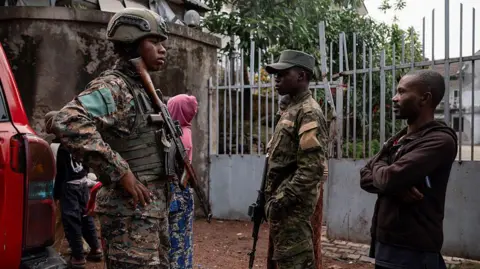
The Democratic Republic of Congo (DRC) and Rwanda have agreed to take 'concrete steps' to ease tensions following US-mediated talks in Washington. The commitment to reduce conflict comes as the two nations grapple with a prolonged stalemate in their peace efforts. Despite a peace deal signed with US President Donald Trump last year, violence in eastern DRC persists.Tensions escalated after the US imposed sanctions earlier this month against the Rwandan Defence Forces, holding the country accountable for supporting the M23 rebel group, which is implicated in escalating violence. In a joint statement with the US, DRC and Rwanda pledged coordinated actions aimed at de-escalating the situation and advancing peace.The agreement includes a mutual respect for sovereignty and territorial integrity, with Rwanda promising to withdraw its forces from certain areas in DRC. In return, DRC will intensify efforts to neutralize the Democratic Forces for the Liberation of Rwanda (FDLR), a militia group comprised largely of Rwandan Hutus involved in the 1994 genocide.Rwanda continues to label the FDLR as a major threat, claiming its presence in eastern DRC endangers its national security. While vehemently denying allegations of backing the M23, Rwanda maintains its military presence is necessary for defensive purposes amid ongoing threats from armed groups.Despite a peace deal brokered in December, fighting has escalated in eastern DRC, with the M23's recent move into Uvira representing a significant intensification of the conflict. The US has warned that continued Rwandan support for the M23 could lead to a broader regional war, while Rwanda criticizes the sanctions as biased and based on misrepresentations of the conflict.