In brief
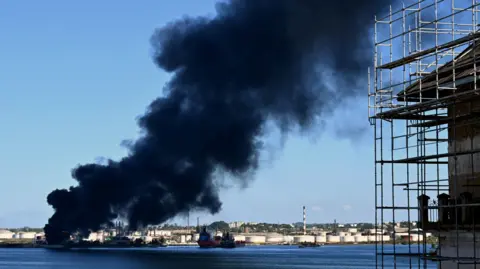
A fire has broken out at the Ñico López oil refinery in Havana amid a severe fuel crisis. Although the blaze was quickly brought under control with no injuries reported, it highlights the dire situation facing Cuba as the US continues to block oil shipments from Venezuela. The crisis has escalated electricity shortages and impacted essential services across the island.
A fire at an oil refinery in Cuba has been brought under control quickly as the country faces a deepening fuel crisis. Black smoke clouds could be seen billowing from the Ñico López Refinery in the capital Havana on Friday. No-one was injured and an investigation into the blaze has been initiated by Cuba's energy ministry. The fire occurred near where two oil tankers were moored in Havana Bay. Cuba's fuel shortage has worsened after the US blocked Venezuela's oil shipments to the island.Venezuela, a long-standing ally of Cuba, previously supplied around 35,000 barrels of oil daily to the island before a US military raid on former president Nicolás Maduro's residence on January 3. Additionally, the US has confiscated Venezuelan oil tankers and imposed new tariffs on countries that sell oil to Cuba. President Donald Trump has urged Cuban leaders to negotiate or face potential consequences as oil and financial flows from Venezuela have been severely restricted.The resulting electricity cuts have significantly affected healthcare services, including emergency wards and dialysis patients. The shortage of aviation fuel has forced airlines to suspend services to Cuba, while some nations, including the UK, have warned against non-essential travel.Authorities have begun fuel rationing, reduced public services, and made temporary adjustments to critical sectors like healthcare, education, transportation, and tourism in an effort to conserve energy supplies. Humanitarian efforts have continued, with recent arrivals of aid from Mexico, consisting of 800 tonnes to assist Cuba during this crisis. UN human rights experts have criticized the US for its harsh sanctions, describing them as an extreme form of economic coercion. UN human rights chief Volker Türk has expressed deep concern regarding the worsening situation in Cuba, underscoring the ongoing effects of the US embargo that has been in place since 1960.