In brief
Indonesia’s West Java court has convicted 19 traffickers who smuggled 34 babies, most destined for Singapore. With the trial concluding, authorities in both countries face the dilemma of returning the children or allowing them to remain in Singaporean adoptive homes. Singapore parents, who were unaware of the trafficking, panic over the lack of official decisions, while Indonesian officials stress the need to investigate the children’s legal status and biological parents first. The case underscores legal grey areas, as revoking Singaporean adoptions is unprecedented and could have lasting psychological ramifications for the infants.
Indonesian baby‑trafficking ring convicted – uncertain futures in Singapore
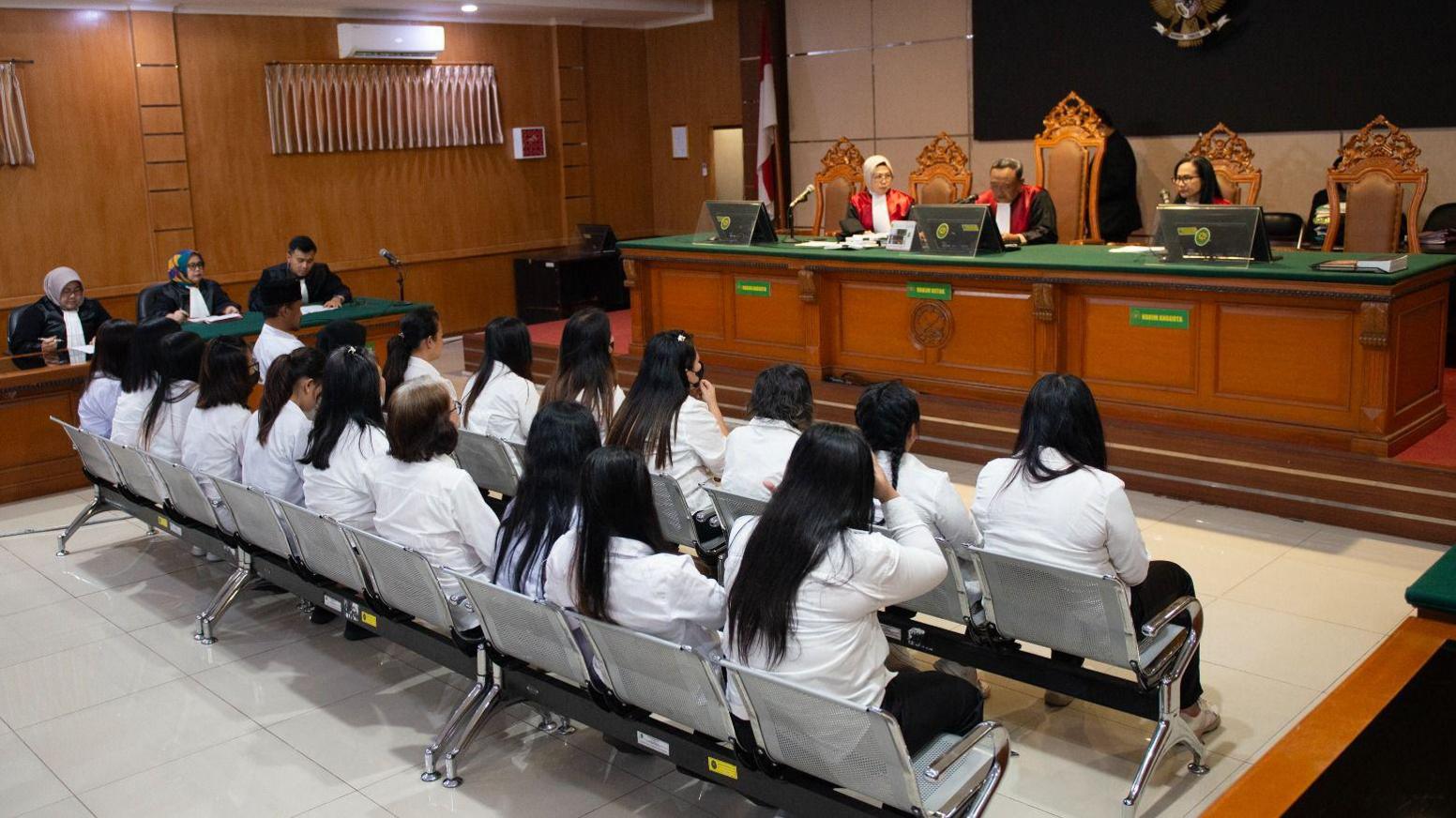
On Tuesday a West Java court convicted 19 people of running a baby‑trafficking ring that moved 34 infants to Singapore, where 12 are now living in post‑adoption homes.
The haul was only the tip of a decades‑old smuggling network that exploited government checks and forged birth documents. The Indonesian court, however, closed its case without spell‑binding solutions for what happens to the children in Singapore.
The present dilemma places adoptive parents on a razor‑edge of legal obligation and parental love. David – a pseudonym – told us, "Since the case is concluded, we need to move on. What will happen to our son? After a year of fear and anxiety, we want certainty."
Both Indonesian and Singaporean authorities have offered no definitive answers. Indonesia’s foreign ministry, for instance, has said it is still examining "the children’s legal status and the identities of their biological parents".
Legal experts warn that cancelling a Singaporean adoption order would be unprecedented. "Adoption orders are generally treated as final," said Derek Choo of PKWA Law Practice, "due to a web of safeguards." Legal counsel Fear E. Peen adds that courts would weigh the child’s psychological well‑being, the time they have spent in Singapore, and the nature of any potential home base in Indonesia.
At least eight other infants rescued by the trafficking ring were already placed in a Bandung orphanage. Indonesian child rights advocates argue that these infants, who have their genuine birth identities still unverified, should be treated as trafficking victims and protected accordingly, even if the children have been adopted in Singapore.
The families’ concerns echo a broader international backlash. "If the adoption basis was invalid, the children’s current placements are questionable," said Ai Maryanti of Indonesia’s independent child protection commission.
For Singapore parents, the stakes are concrete: a year of waiting, the knowledge that any decision could tear away the children from their adoptive homes, and the legal uncertainty that could threaten the future of families that had presumed closure. “We want a stable, loving home for our son,” David confirmed.
Authorities will likely have to balance international law, psychological welfare, and the possibility that some children have no identifiable biological parents. Until a resolution arrives, the children remain in limbo, underscoring the need for clearer pathways in cross‑border child protection.