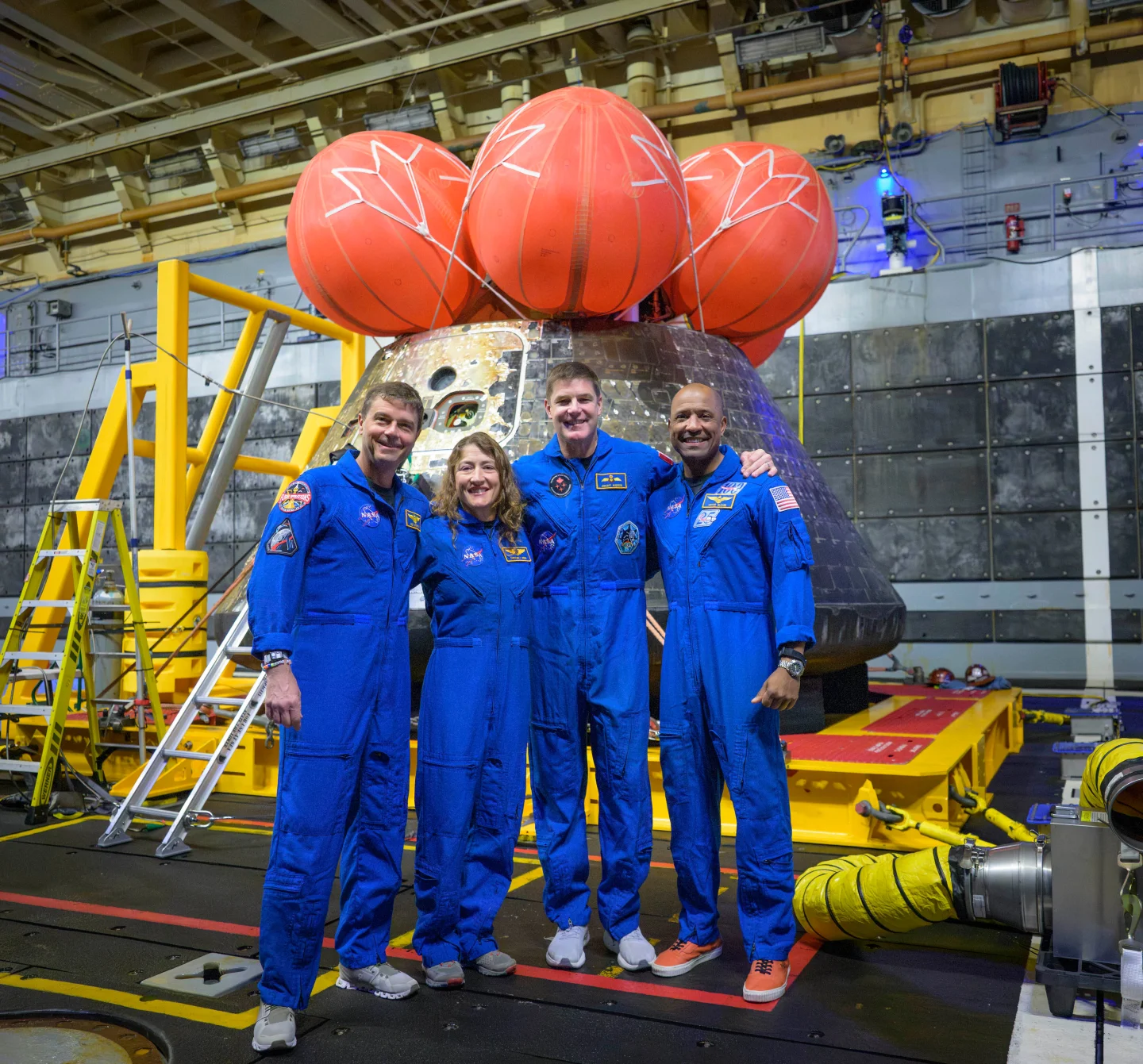
CAPE CANAVERAL, Fla. (AP) — NASA is preparing for an exciting new chapter in space exploration with the Artemis II mission, marking humanity's first journey back to the moon in over fifty years. As four astronauts prepare to embark on this historic flight, the comparisons with the iconic Apollo moon missions are both inevitable and telling.
The Artemis II crew will navigate a safe out-and-back trajectory around the moon, contrasting with Apollo 8's pioneering lunar orbit. This time, NASA's choice of crew reflects a broader representation of society, including women and people of color, highlighting the progress made since the Apollo era.
Steps Toward the Moon
The contrast between the Apollo and Artemis missions is notable. NASA accomplished the Apollo program's goals in just eight years, successfully landing humans on the moon within a decade of putting the first astronaut in space. In contrast, the Artemis program has faced challenges, experiencing delays and changes in direction over many years before settling on its lunar ambitions.
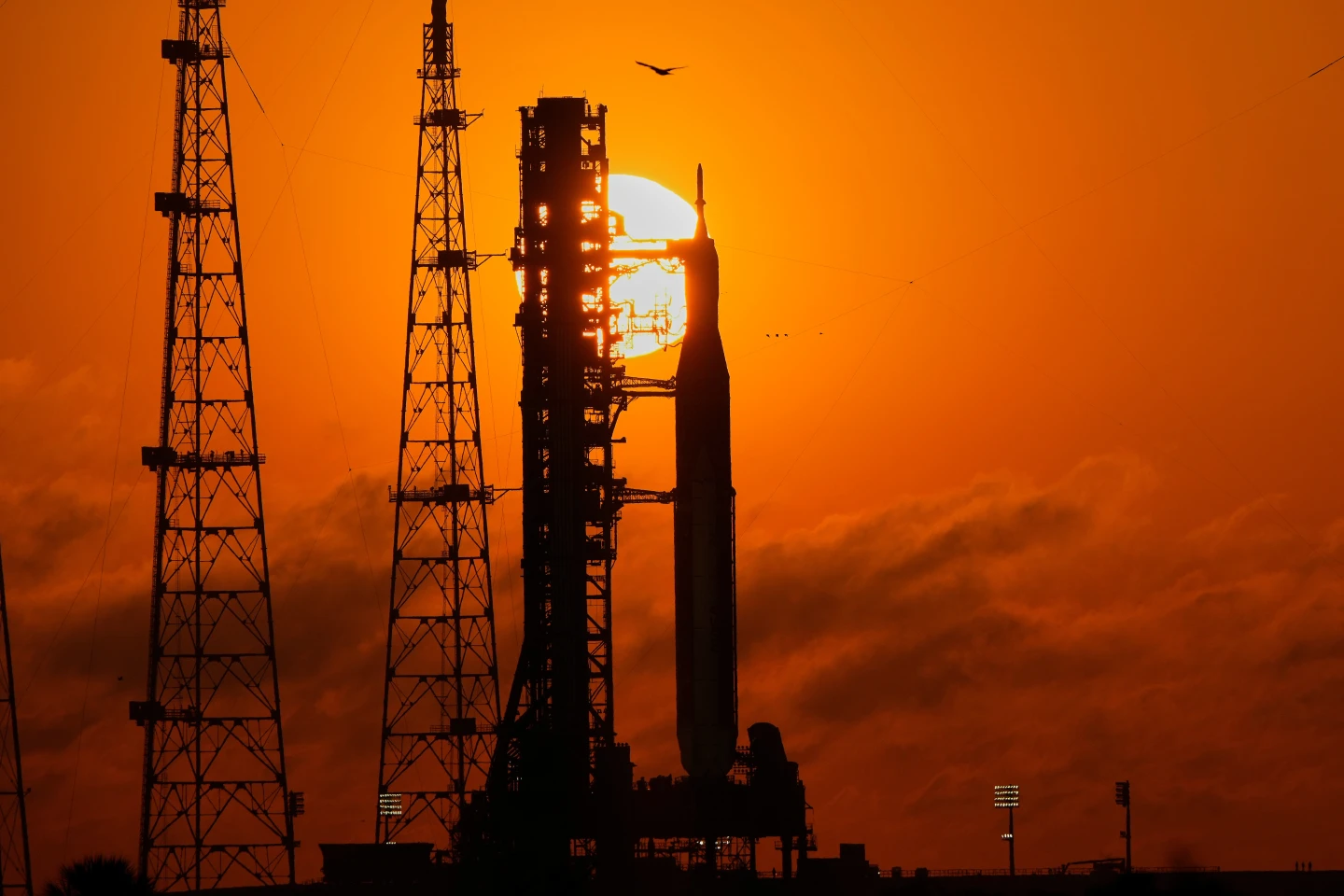
NASA's new Space Launch System (SLS) rocket has seen only one uncrewed test flight which occurred three years ago. Under the leadership of newly appointed NASA administrator Jared Isaacman, revisions to the Artemis program have been implemented, pushing forward several critical missions including Artemis II, which is scheduled for an April launch.
Political Dynamics and Global Competition
As NASA sets its sights on the lunar south pole, where water ice may be found, it is in competition with other global powers, notably China, which aims to have astronauts on the moon by 2030. The reimagined Artemis program aims to secure U.S. leadership in space exploration and extend its presence on the lunar surface.
Launch Complex and Technical Innovations
While the Apollo missions launched from the prominent Kennedy Space Center Launch Complex 39-A, Artemis will operate from the nearby pad 39-B. Despite challenges with fuel leaks and technical issues delaying the SLS, NASA remains optimistic about achieving a successful launch next year.
Mission Objectives
During Artemis II, astronauts will orbit Earth for a day before heading to the moon. The goal is to test the life support systems of the Orion capsule during the mission. With the complexities involved, NASA is testing all systems thoroughly before attempting any moon landings in future missions.
In contrast to previous Apollo missions, the Artemis astronauts will utilize advanced technologies and longer-lasting spacesuits designed for their missions in preparation for extended stays on the moon.
Looking Ahead
NASA's vision for Artemis extends beyond mere visits to the moon; it includes establishing a sustainable presence on the lunar surface as a stepping stone to Mars exploration. The Artemis astronauts' journey symbolizes a modern approach to space travel, striving for inclusivity while pursuing ambitious goals.
As the launch approaches, excitement builds not just for the mission itself but for the promising advancements in space exploration it represents.