Artemis II: Paving the Way for Human Moon Landings
NASA's Artemis II mission has passed every major test since its launch on 1 April, 2026, showcasing a promising future for human exploration of the Moon. The mission represents a significant advancement as it features the first manned use of the Orion capsule.
In its first six days, the crew aboard Artemis II has demonstrated the capsule's operational capabilities and performance, significantly exceeding initial predictions, igniting hopes of achieving a Moon landing by 2028.
What Artemis II has Taught Us So Far
A crucial lesson from Artemis II emerged quickly after the Space Launch System (SLS) reached the Kennedy Space Centre. NASA Administrator Jared Isaacman pointed to the necessity for more frequent launches, emphasizing the importance of consistency in space exploration.
The mission's trajectory adjustments showcase not only the prowess of the SLS but also the crew's ability to handle the spacecraft under real conditions, which no simulator could replicate.
A Rocket That Did the Job
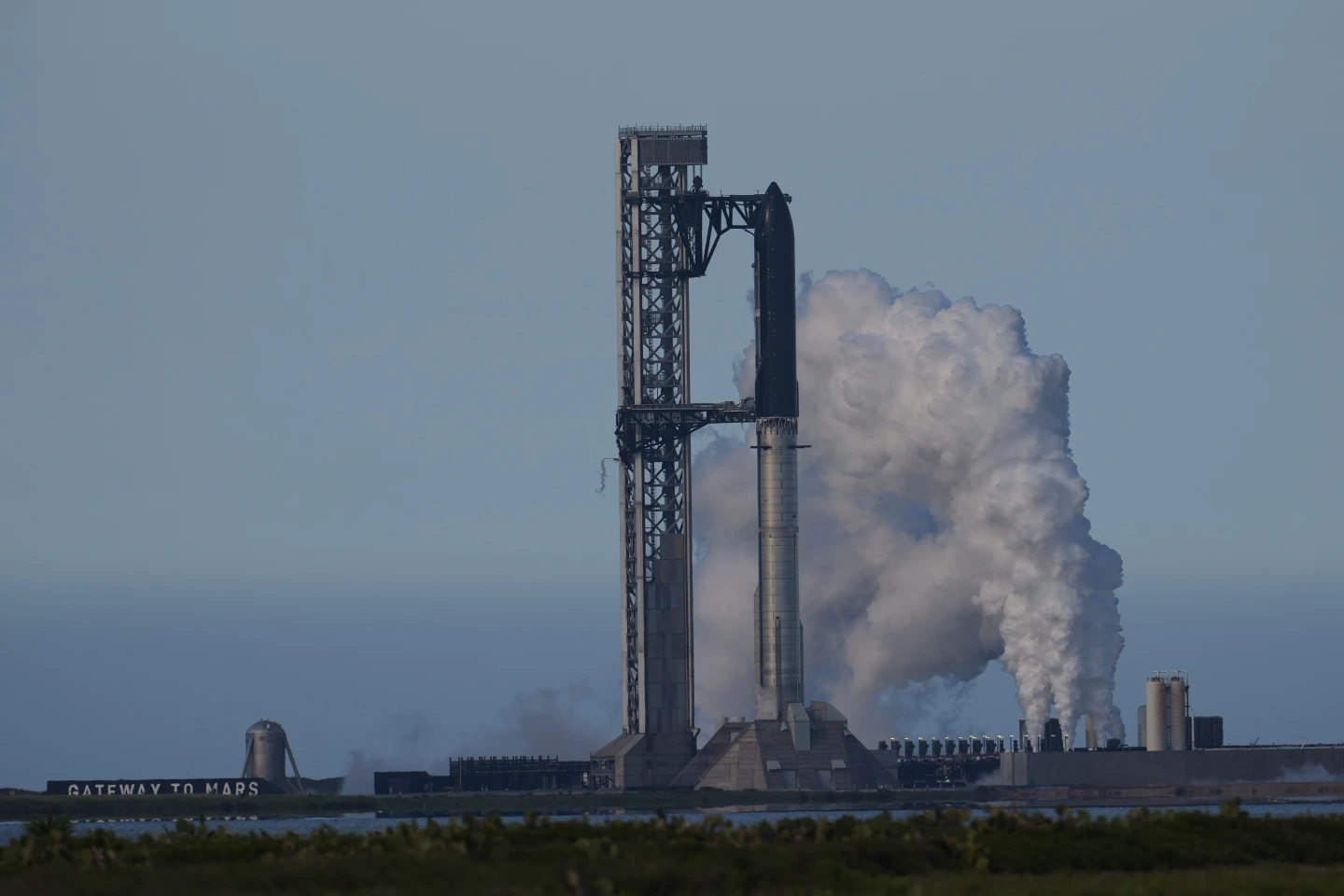
The SLS rocket generated a staggering 8.8 million pounds of thrust, with every phase of the launch executed as planned. The Orion spacecraft's critical trajectory burn was deemed flawless by the mission's leaders, solidifying a confident path towards the Moon.
Humans in the Machine
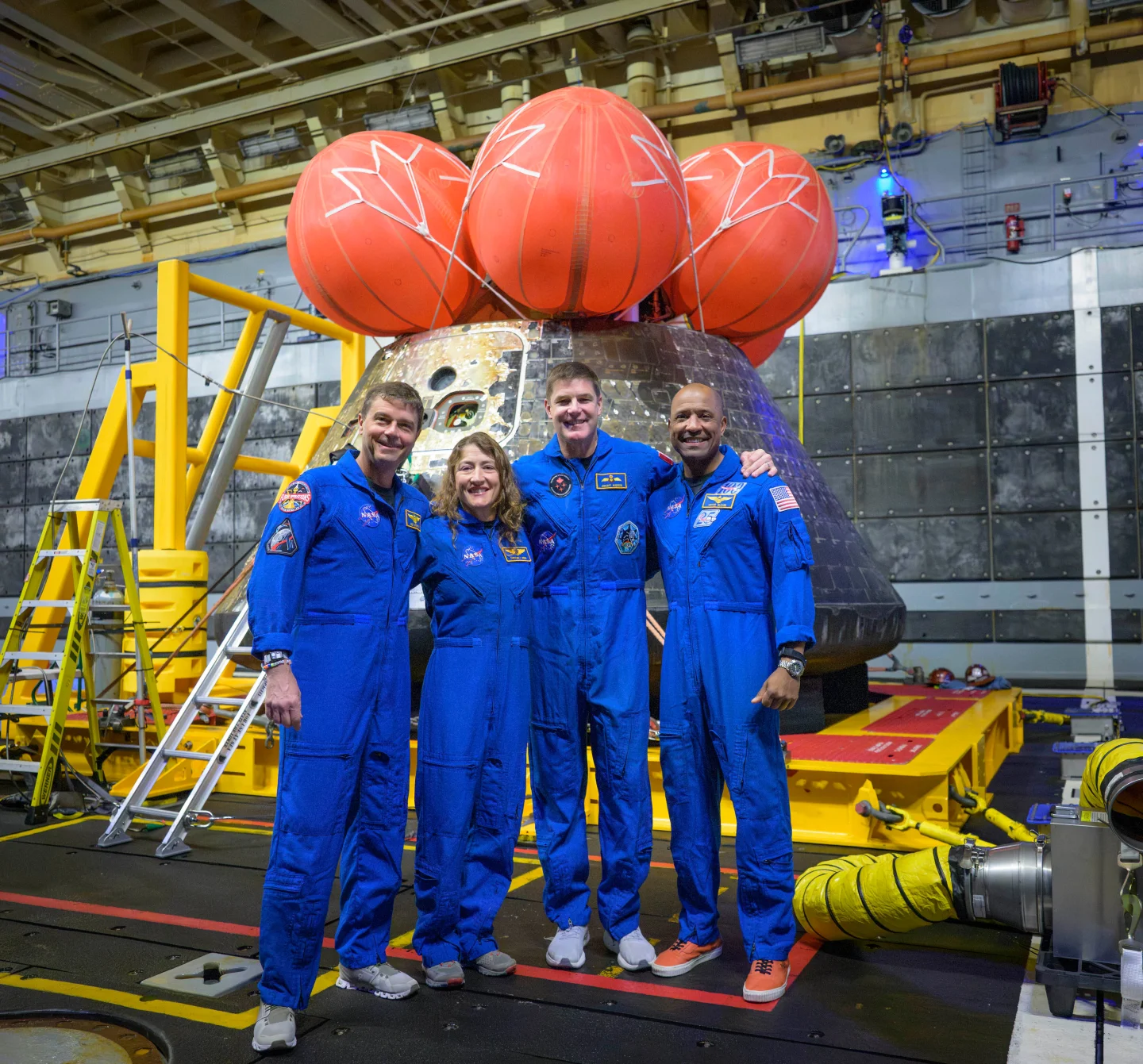
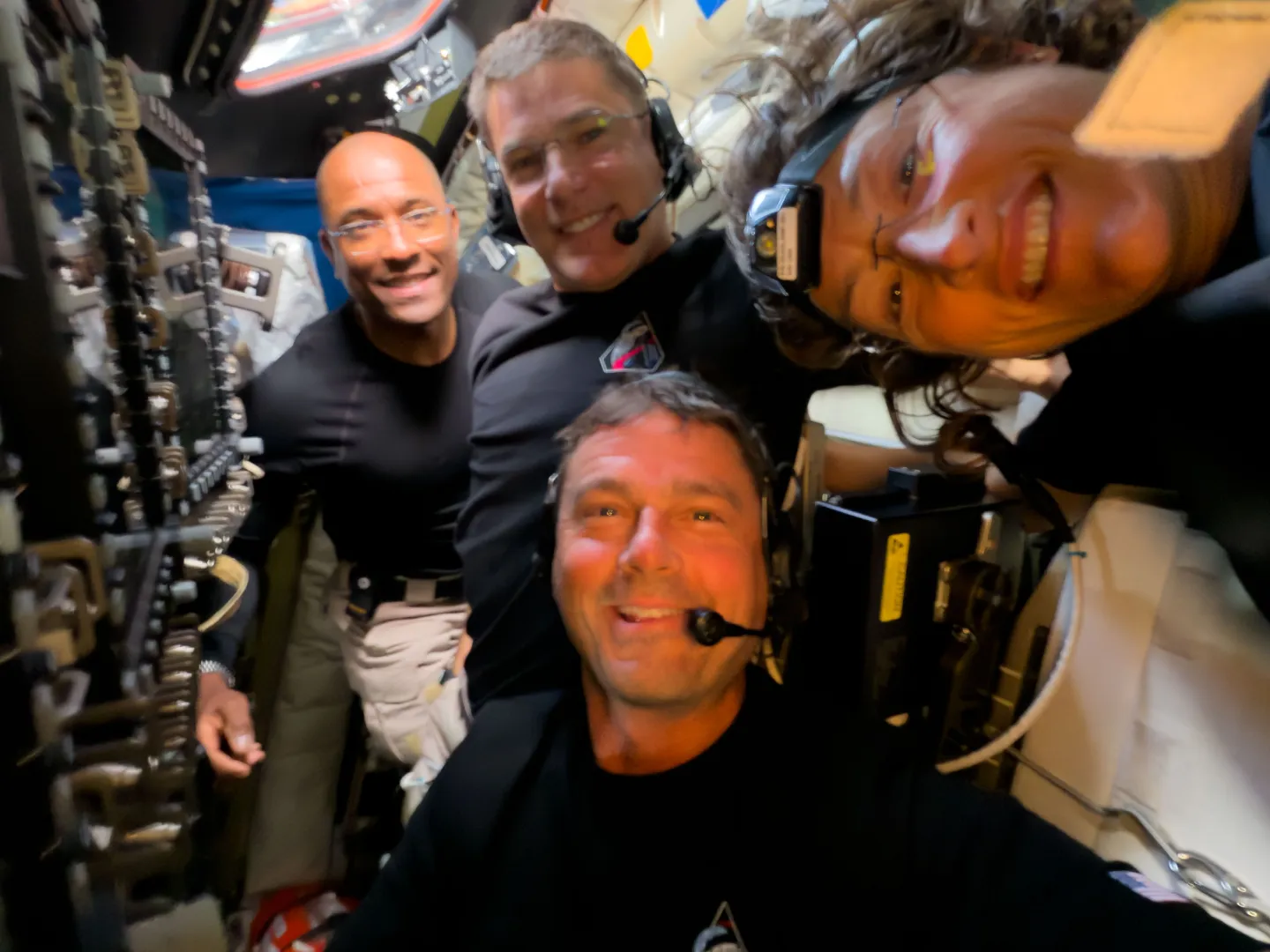
The mission focuses on understanding the interaction between crew and spacecraft. The crew has encountered small operational challenges, demonstrating the dynamic between human needs and spacecraft capabilities.
Great Science or NASA Hype?
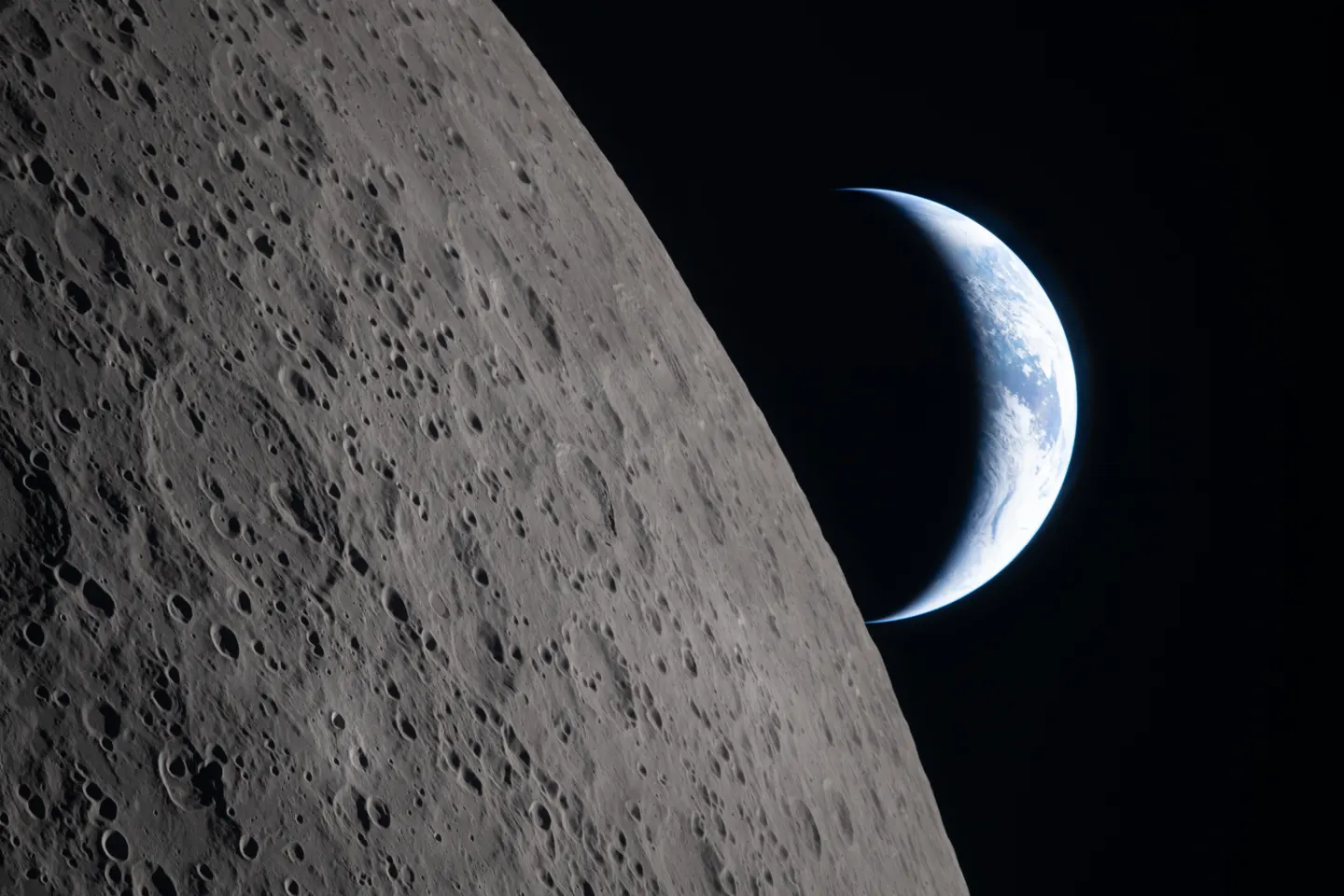
While the scientific returns from Artemis II include valuable observations, some experts argue their significance compared to detailed robotic missions. Yet the emotional impact of the crew's journey has resonated deeply, reinstituting human connection to space exploration.
The Biggest Test to Come
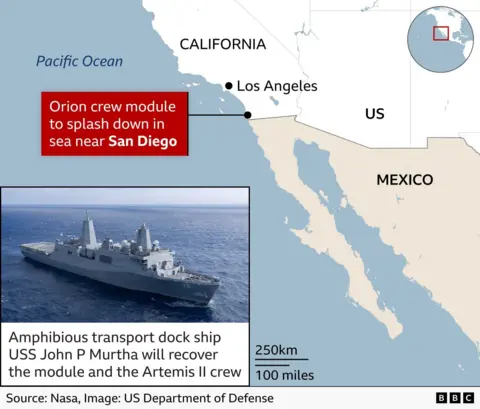
As Artemis II approaches its conclusion, a vital test looms: re-entry. With the capsule expected to splash down in the Pacific on April 11, the outcome will be critical for affirming the mission's overall success and establishing a robust foundation for future lunar endeavors.
Overall, Artemis II serves not only as a test flight, but reaffirms humanity's relentless pursuit of exploration, nurturing hope and unity in a time of global uncertainty.