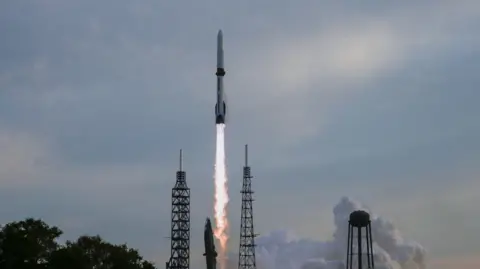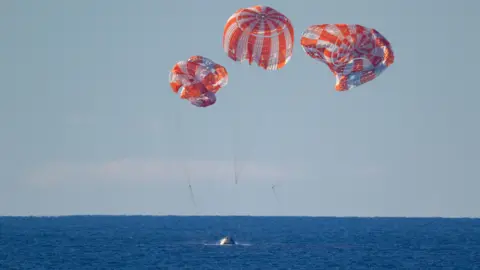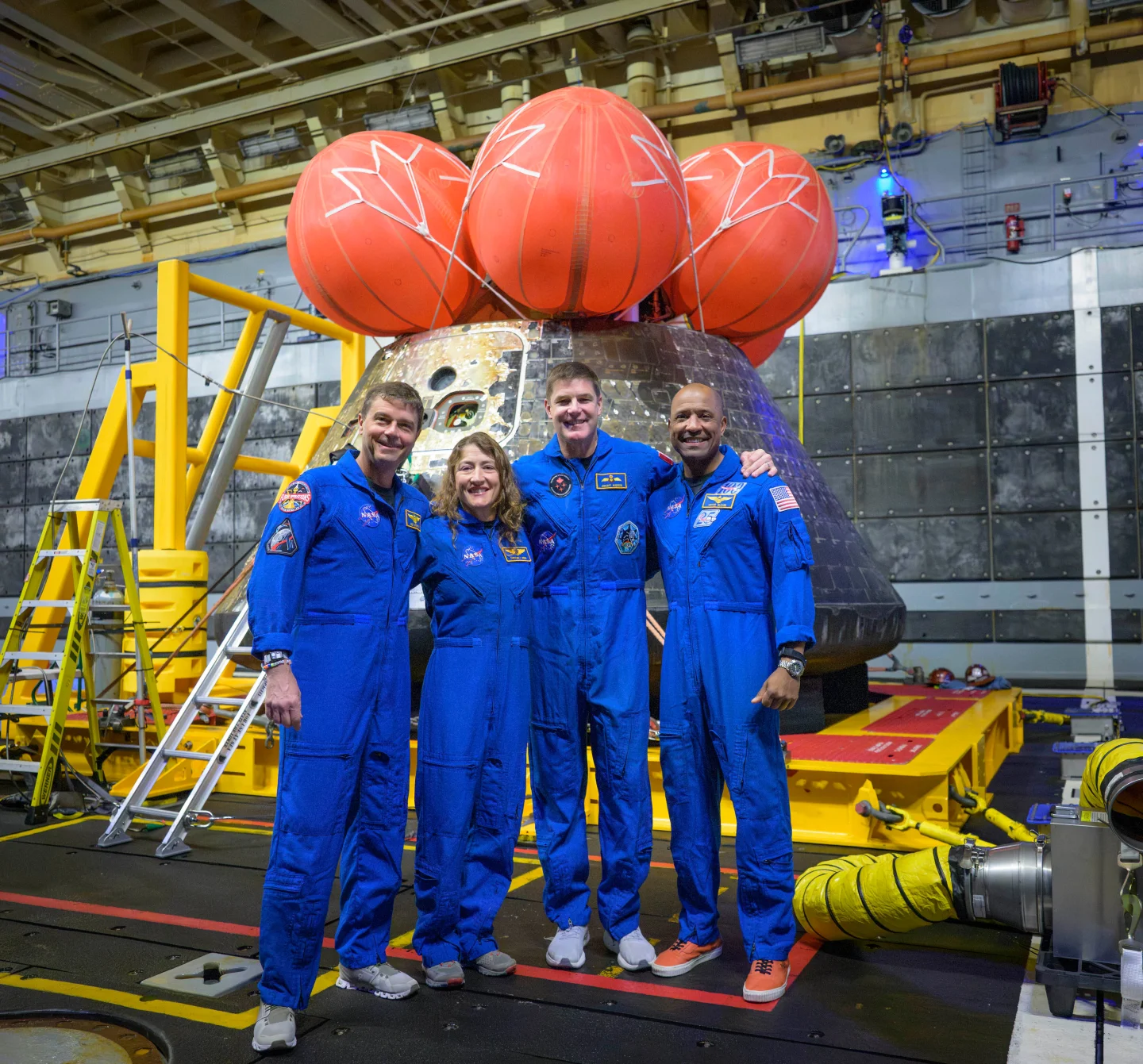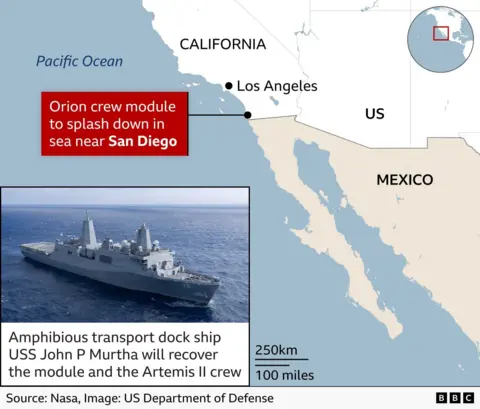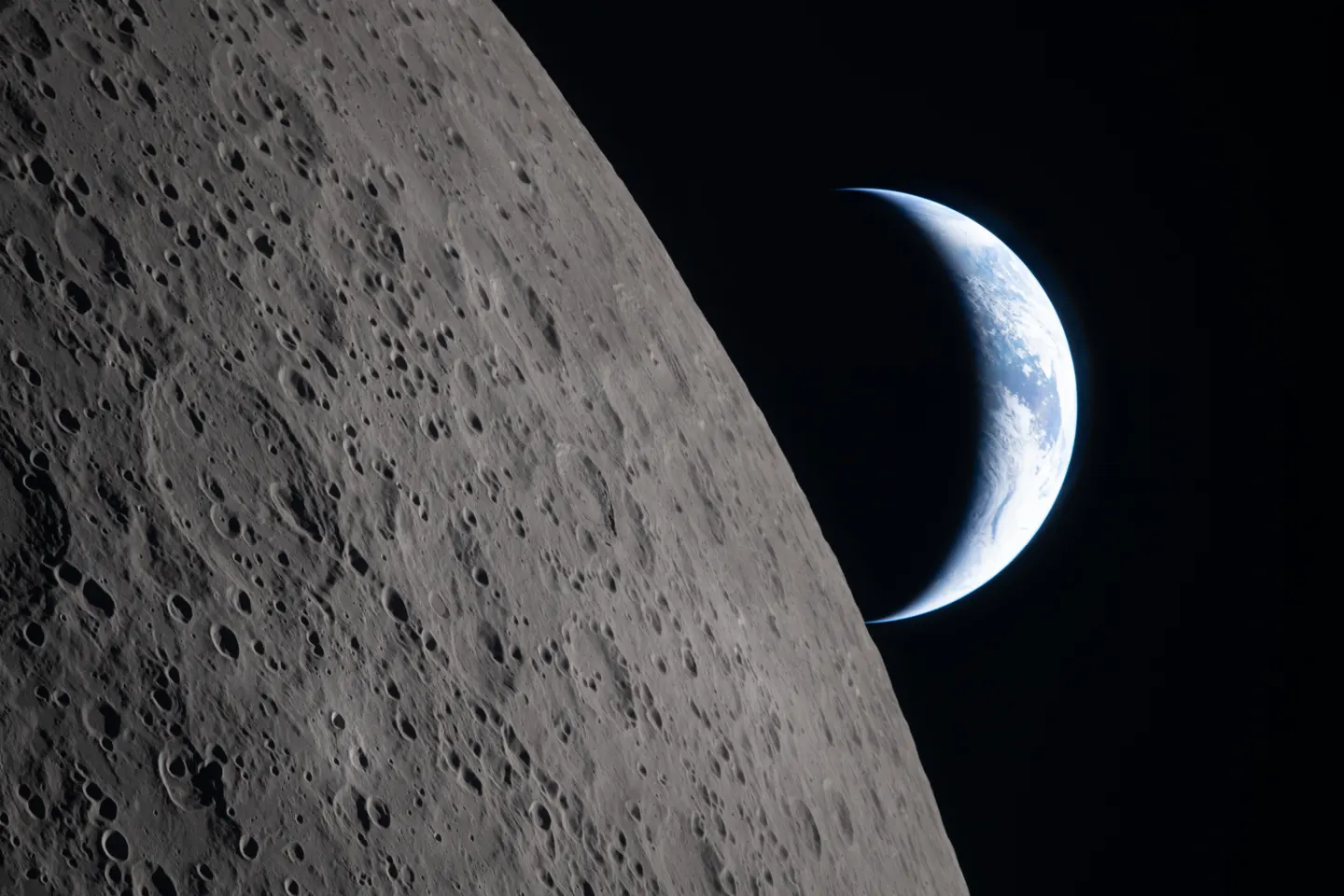
Nasa's Artemis II mission has successfully sent four astronauts sweeping around the far side of the Moon and landed them safely back home.
The Orion spacecraft performed admirably and the images the astronauts captured have delighted a whole new generation about the possibilities of space travel.
But does this mean that the children enthralled by the mission will be able to live and work on the Moon in their lifetimes? Perhaps even go to Mars, as the Artemis programme promises?
It seems churlish to say, but looping the Moon was relatively easy. The really hard part lies ahead, so the answer is maybe, maybe not.

When Neil Armstrong and Buzz Aldrin became the first humans to land on the Moon in July 1969, many assumed it was only the beginning and that people would soon be living and working in space. That didn't happen because the Apollo programme was born not from a love of exploration, but from the Cold War, to demonstrate US superiority over the Soviet Union. Just a few years after that historic landing, the TV audience figures for subsequent missions plummeted and future Apollo missions were scrapped.
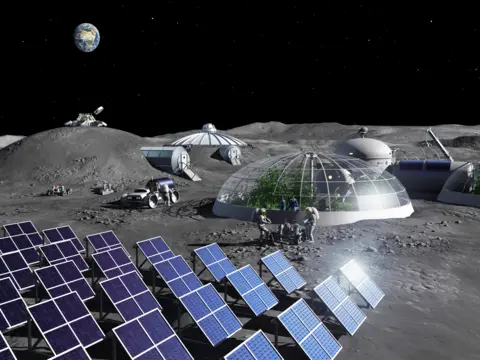
This time, Nasa's stated ambition is different. Administrator Jared Isaacman has set out plans for one crewed lunar landing per year, beginning in 2028, with the fifth Artemis mission marking the start of what the agency calls its Moon base.
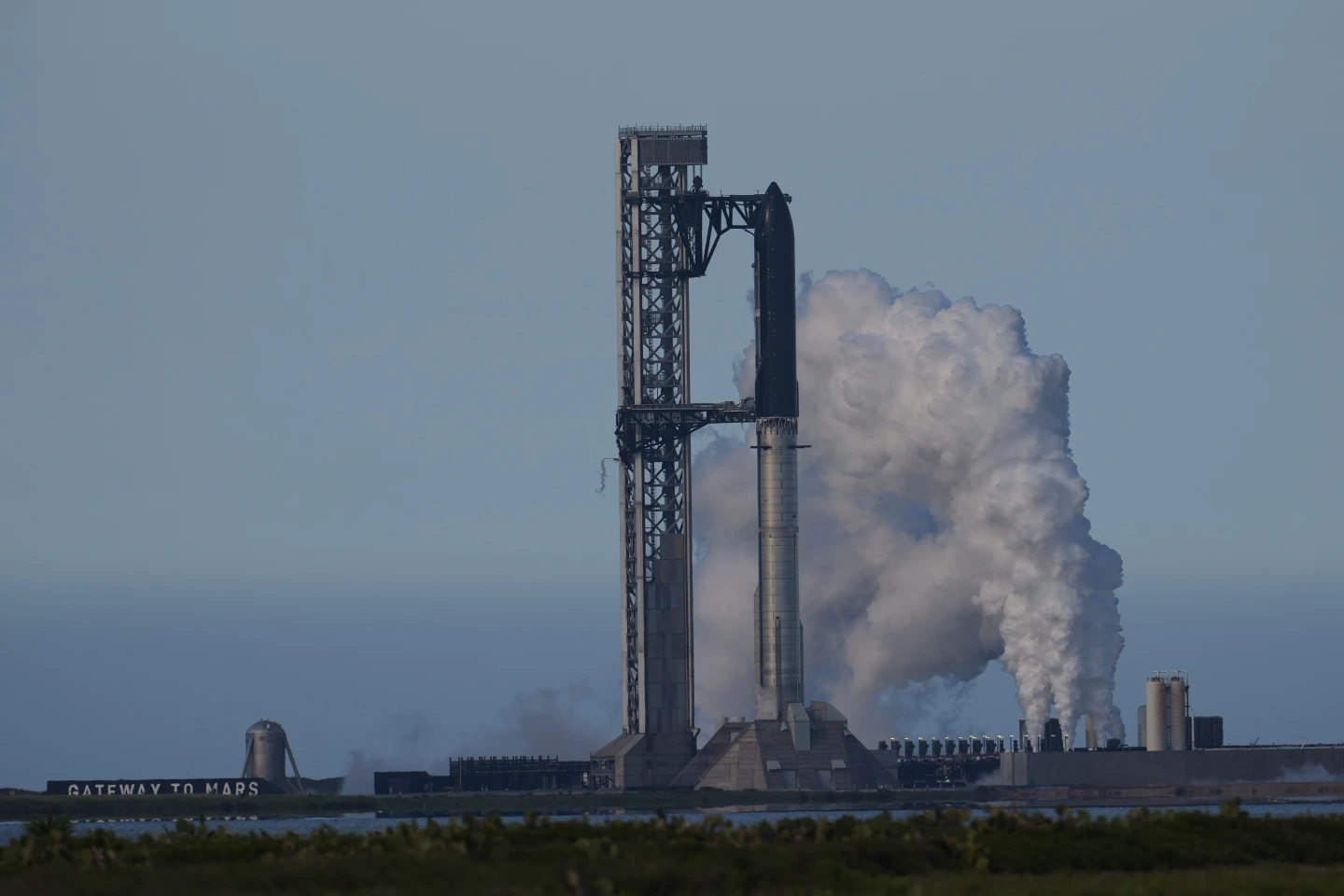
To get boots on the lunar surface, Nasa needs a lander. The US space agency has contracted two private companies to build them: Elon Musk's SpaceX, whose lunar version of its Starship rocket will stand 35 metres tall, and Jeff Bezos's Blue Origin, whose Blue Moon Mark 2 craft is more compact but just as ambitious. Both are well behind schedule.
Nasa's own Office of Inspector General laid out the picture starkly in a report published on 10 March. SpaceX's lunar Starship is at least two years behind its original delivery date, with further delays expected. Blue Origin's Blue Moon is at least eight months late, with nearly half the issues flagged at a 2024 design review still unresolved more than a year later.
These landers must carry substantial infrastructure, including rovers and base components, requiring enormous amounts of propellant housed in a depot orbiting the Earth, to be topped up by over ten separate tanker flights. Keeping super-cold liquid oxygen and methane stable in orbit is an engineering challenge.
As the next Artemis mission, Artemis III, approaches in mid-2027, concerns mount about meeting the target. NASA's goal is to keep pace with geopolitical competitors, notably China, which aims to land an astronaut on the Moon by 2030. With ambitious plans also aimed at Mars, the timeline could slip, leaving the lunar dream at risk.
Amid these challenges, the Artemis programme has reignited interest in space exploration, with private companies moving quickly to develop solutions and Europe contemplating deeper involvement in this exciting new frontier.
Even if the timelines shift, a renewed sense of excitement is palpable, showcased by the new infrastructure rising at the Kennedy Space Centre and the collaborative spirit among countries and private entities engaged in this formidable quest.