Artemis II: A Giant Leap Toward Lunar Exploration

 NASA
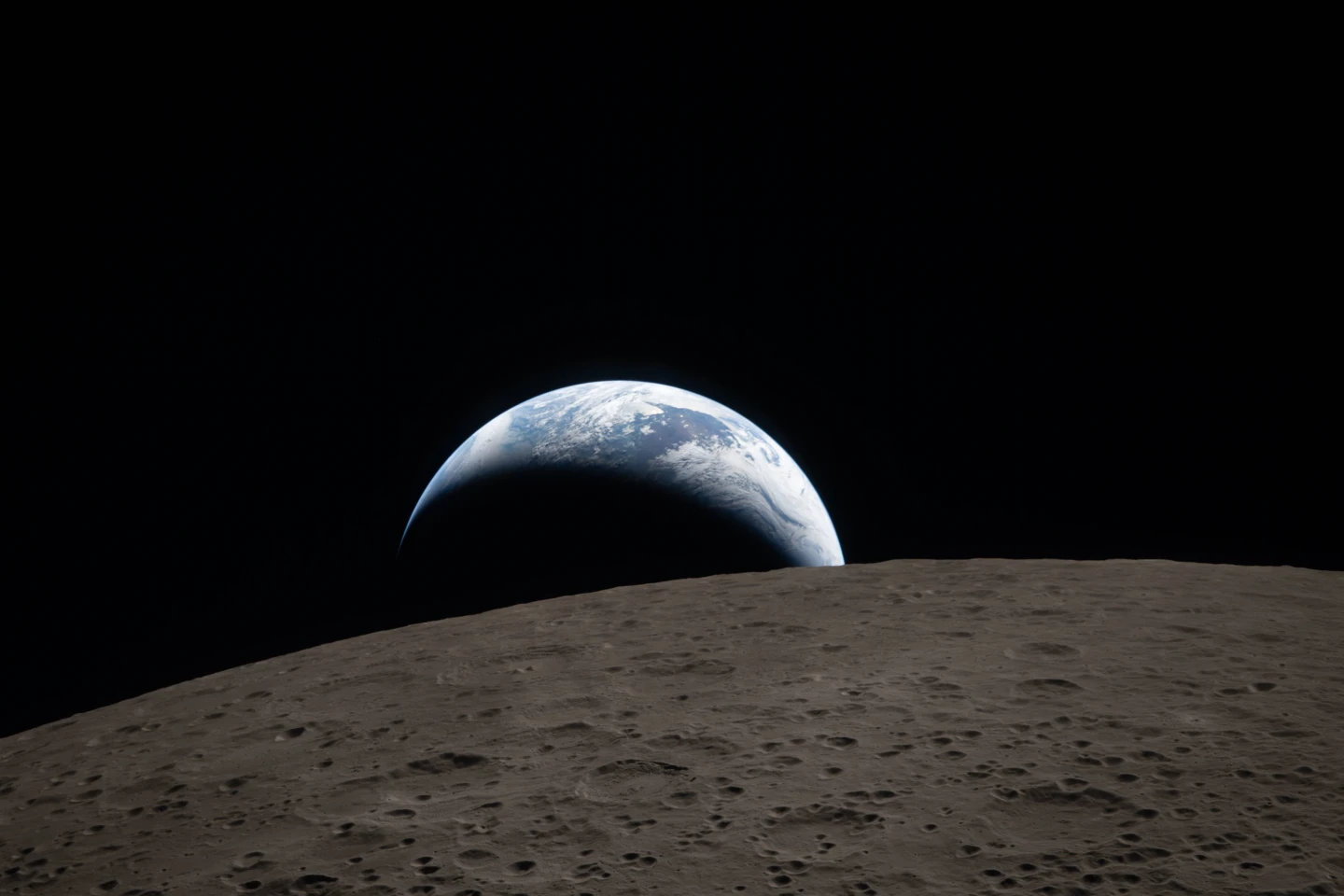
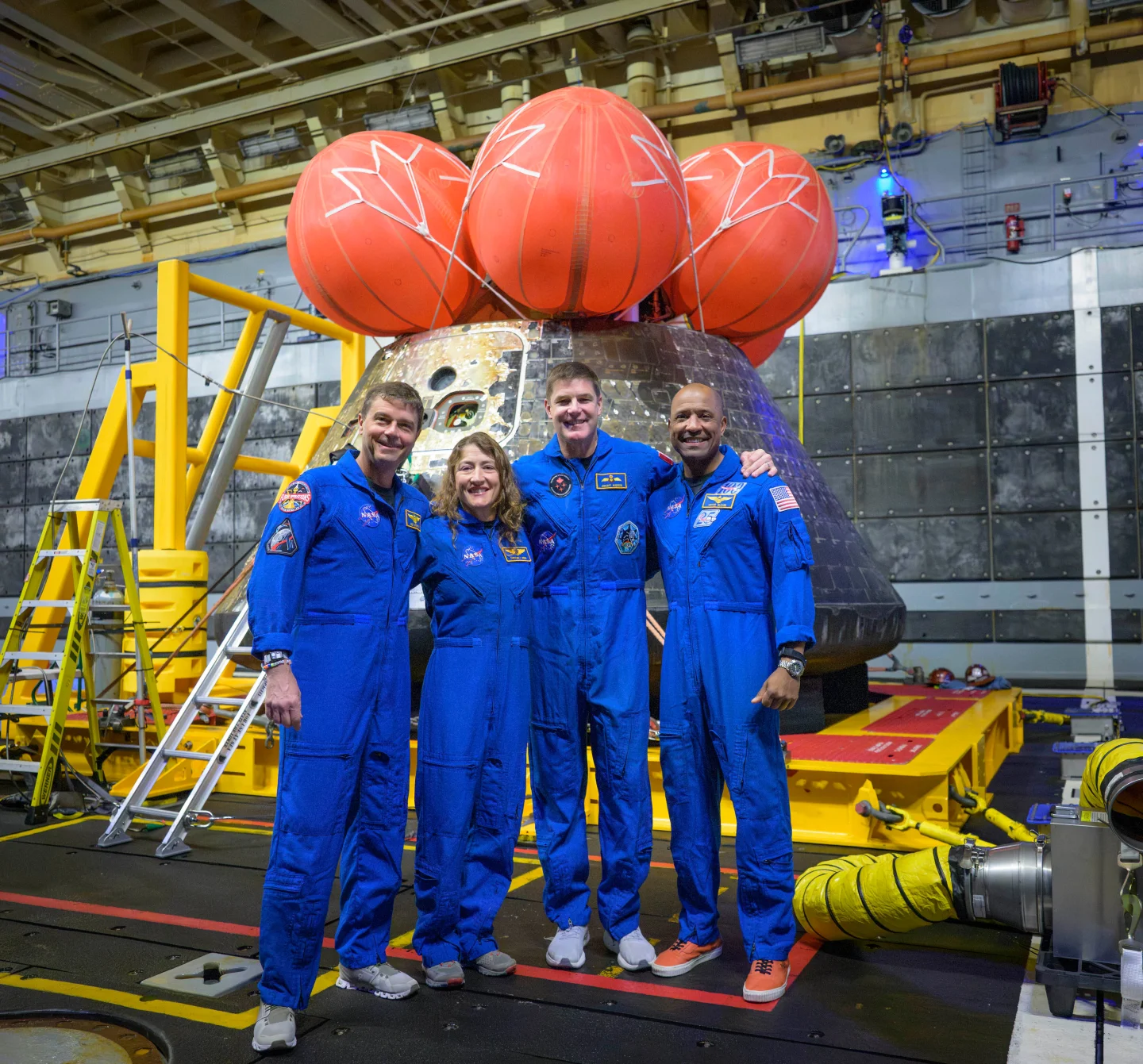
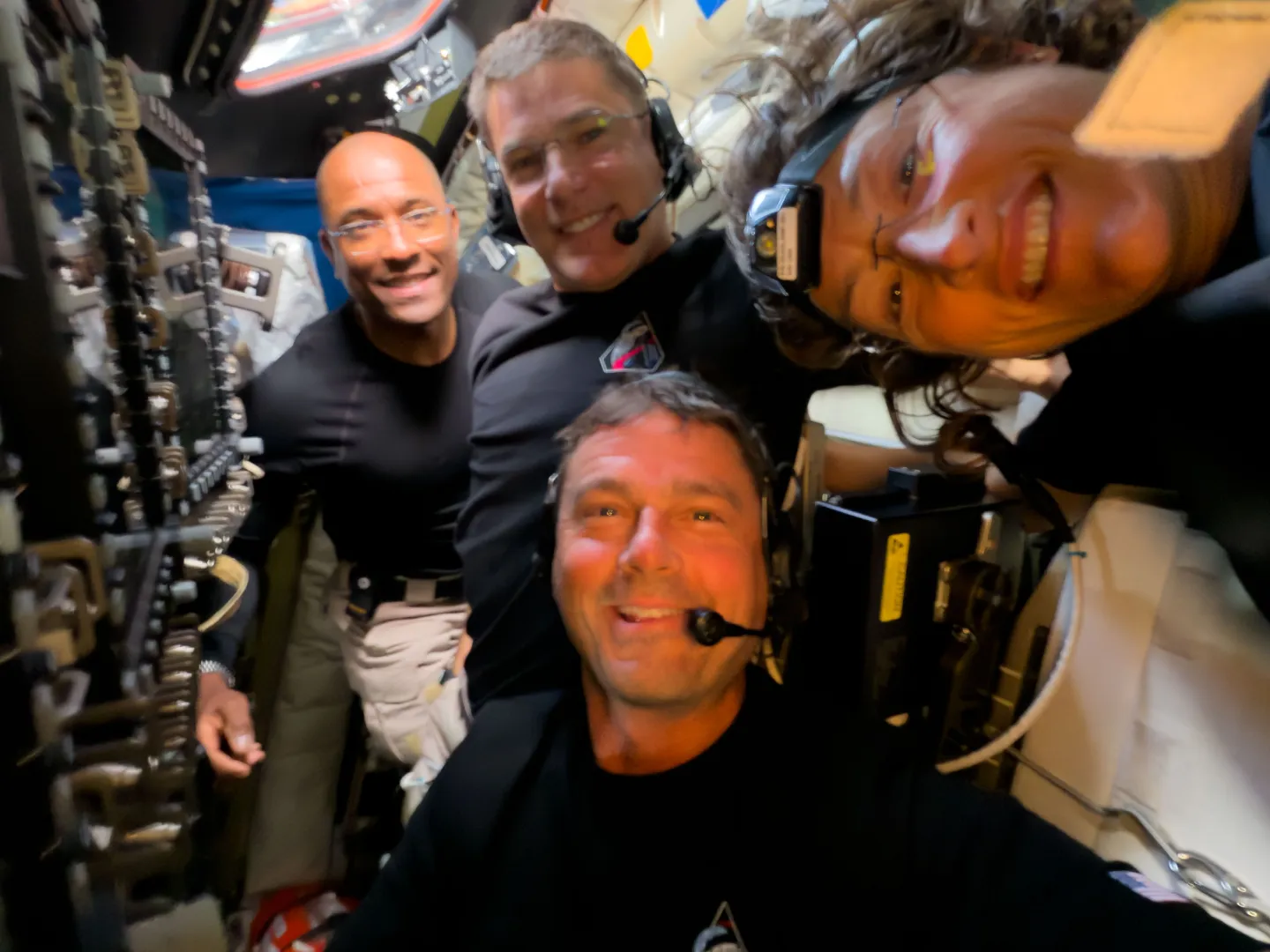
NASANASA's Artemis II mission has passed every major test since its launch on April 1, with its rocket, spacecraft, and crew performing better than engineers had dared to hope for. The mission's first six days have shown that the Orion capsule works as designed with people on board for the first time - something no simulator could prove. Perhaps its greatest achievement, though, is through the actions of the Artemis crew, which have generated hope, agency, and optimism for a world appearing to be in desperate need of inspiration.
But the bigger question remains: is a Moon landing by 2028, as NASA and President Trump want, now really an achievable goal?
What Artemis II has taught us so far
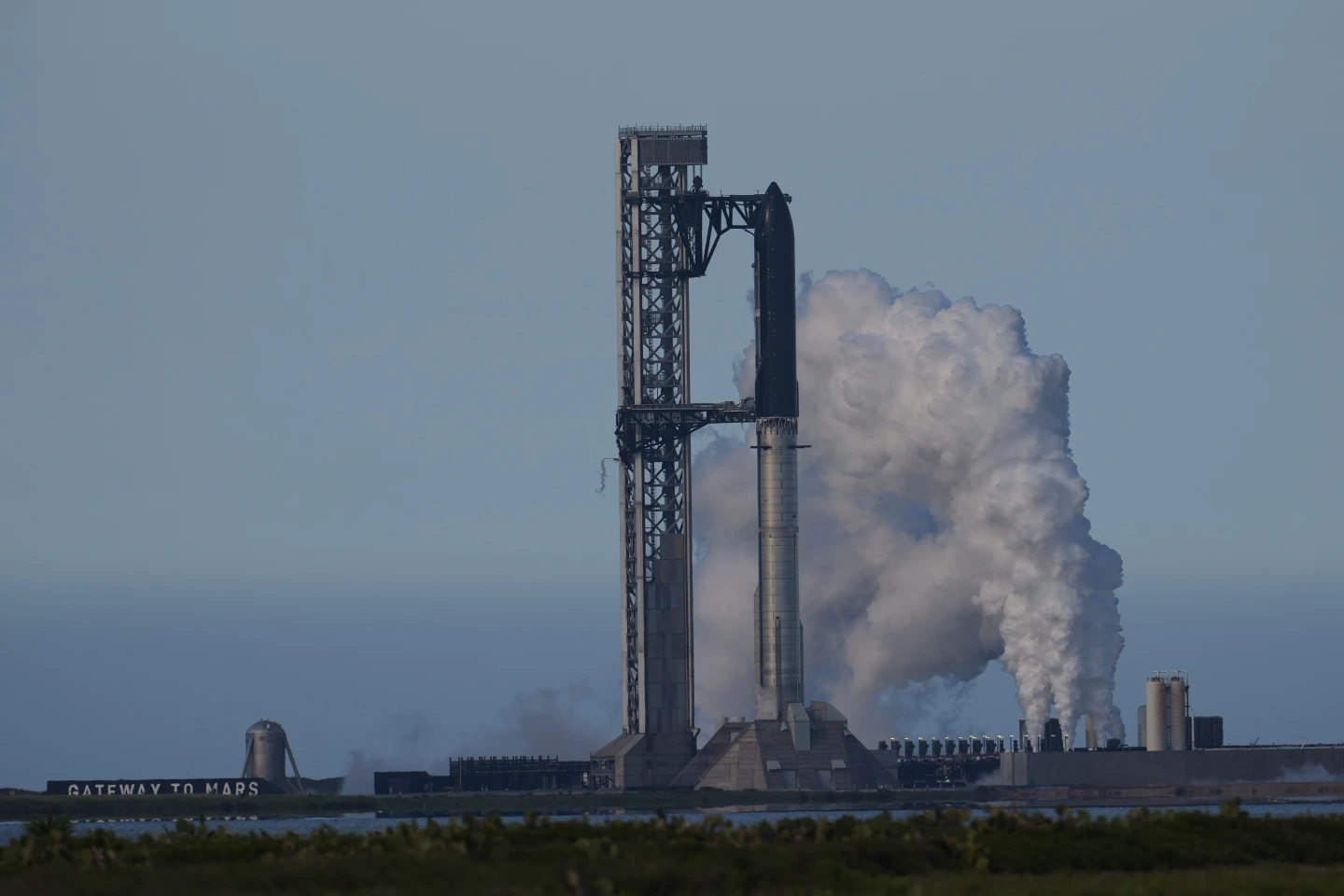
A few days after NASA's Space Launch System (SLS) reached the launch pad at Kennedy Space Center, the most important lesson about Artemis II had already been learned. After two scrubbed launches in February and again in March because of separate technical issues, NASA Administrator Jared Isaacman stated, launching a rocket as important and as complex as SLS every three years is not a path to success.
He noted that the agency must stop treating each rocket like a work of art and start launching with the frequency of a program that means serious business. This was, in effect, a declaration that relearning the same lessons every three years had to stop.
The previous uncrewed Artemis I mission took off in November 2022. The agency had to change its approach to ensure a future landing on the Moon.
The past six days have shown that the mission has performed better than expected, marking a positive shift in the pursuit of lunar exploration.
As the mission continues, there remains hope for achieving a successful Moon landing by 2028.