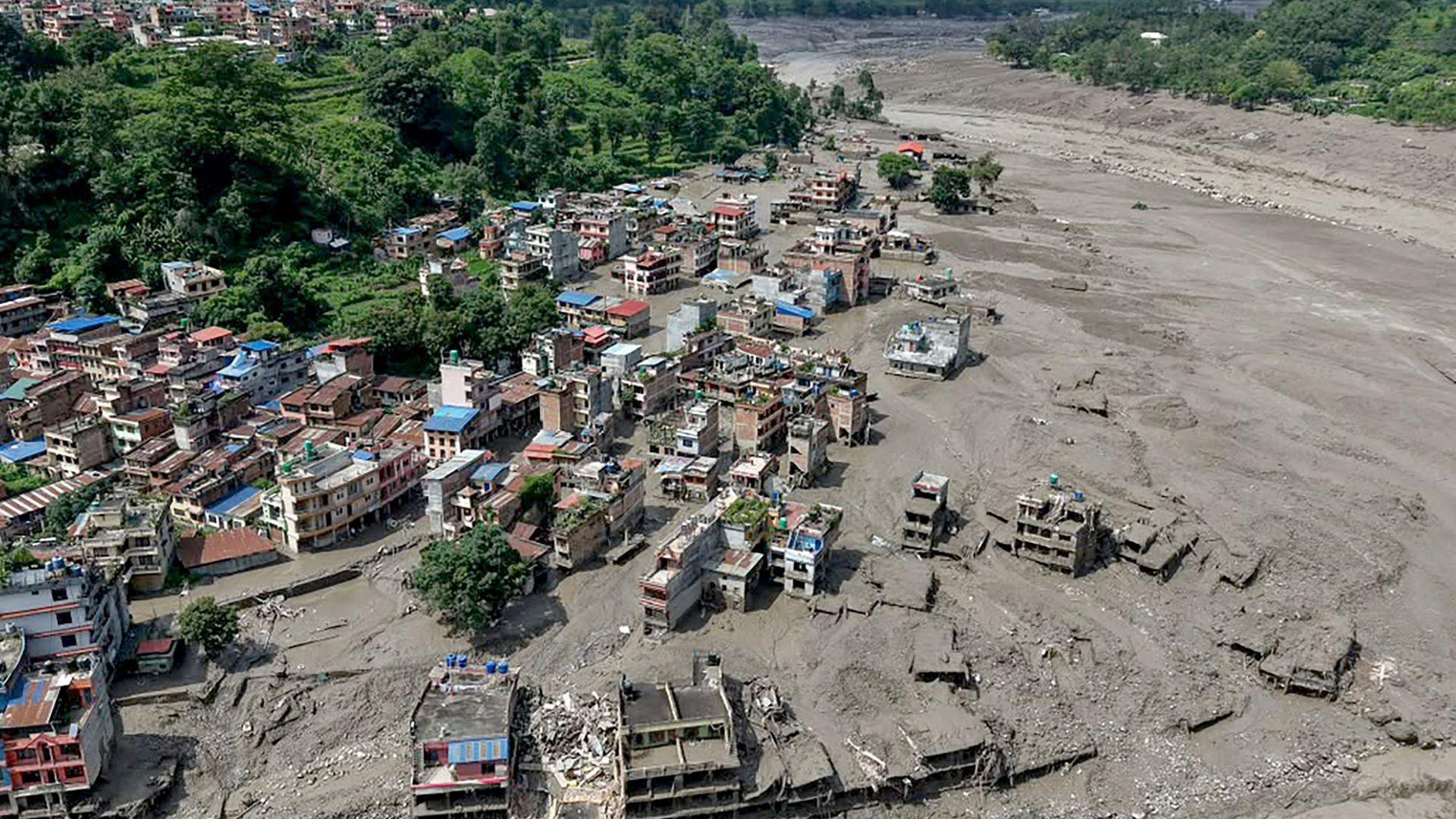
The after‑shock of twin earthquakes on the evening of 30 June has left La Guaira in disarray. With at least 1,700 bodies confirmed and hundreds more missing, local families are quickly becoming disillusioned with the government’s response, saying rescue teams arrived too late and that police have been largely absent from the scene.
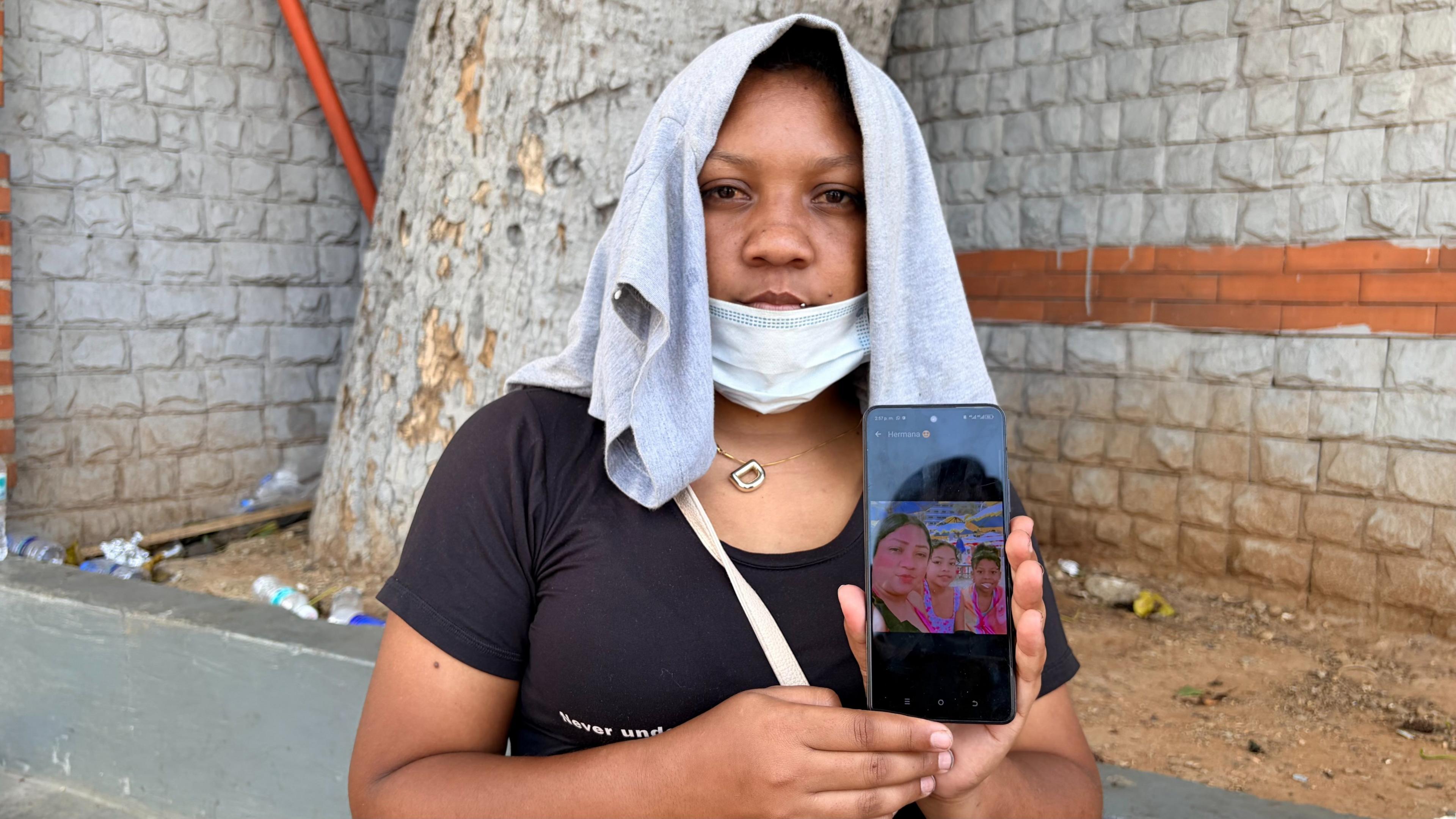
A woman holding a mobile phone photo of her two teenage daughters stands beside a collapsed 12‑storey building. She says the police did not help and no machines or rescuers came until Friday, almost two days after the quake.
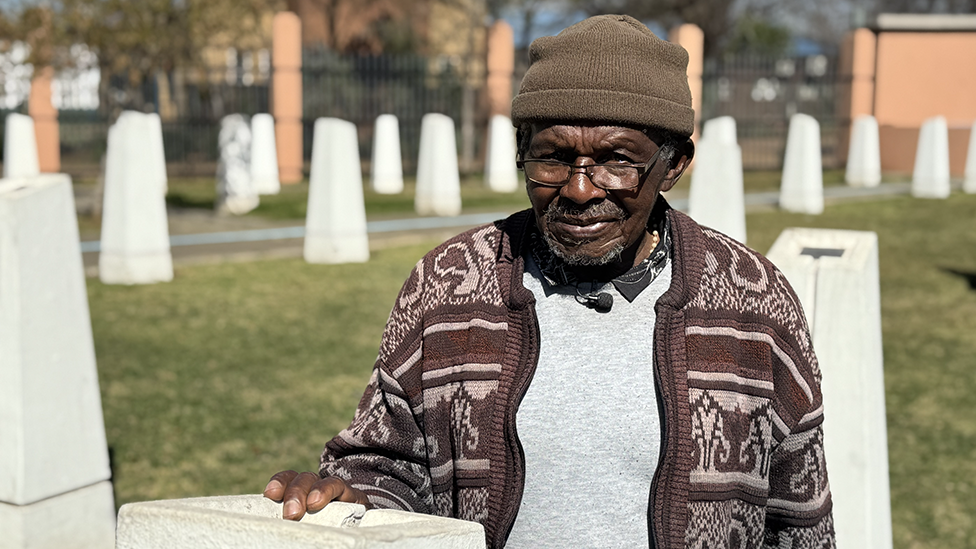
Miguel Oscar Nunez, whose son was in the same building, told us, “My son is still trapped under the rubble. It’s possible he’s alive, but if it’s because the authorities didn’t come fast enough, any failure feels personal.” He and other families waited all night, hearing nothing but the silence of the wreckage.
Kevin Montilla, who was at work when the quake struck, added, “Rescue started very late. Initially only community members helped. The police showed up to check but did not assist. The government’s response has been frustrating and impotent.”
Deilisbeth Herreira was a single mother with two daughters inside the collapsed house. She says she feels abandoned: “No one is helping us dig through the rubble. It’s like they left us to find our own loved ones.”
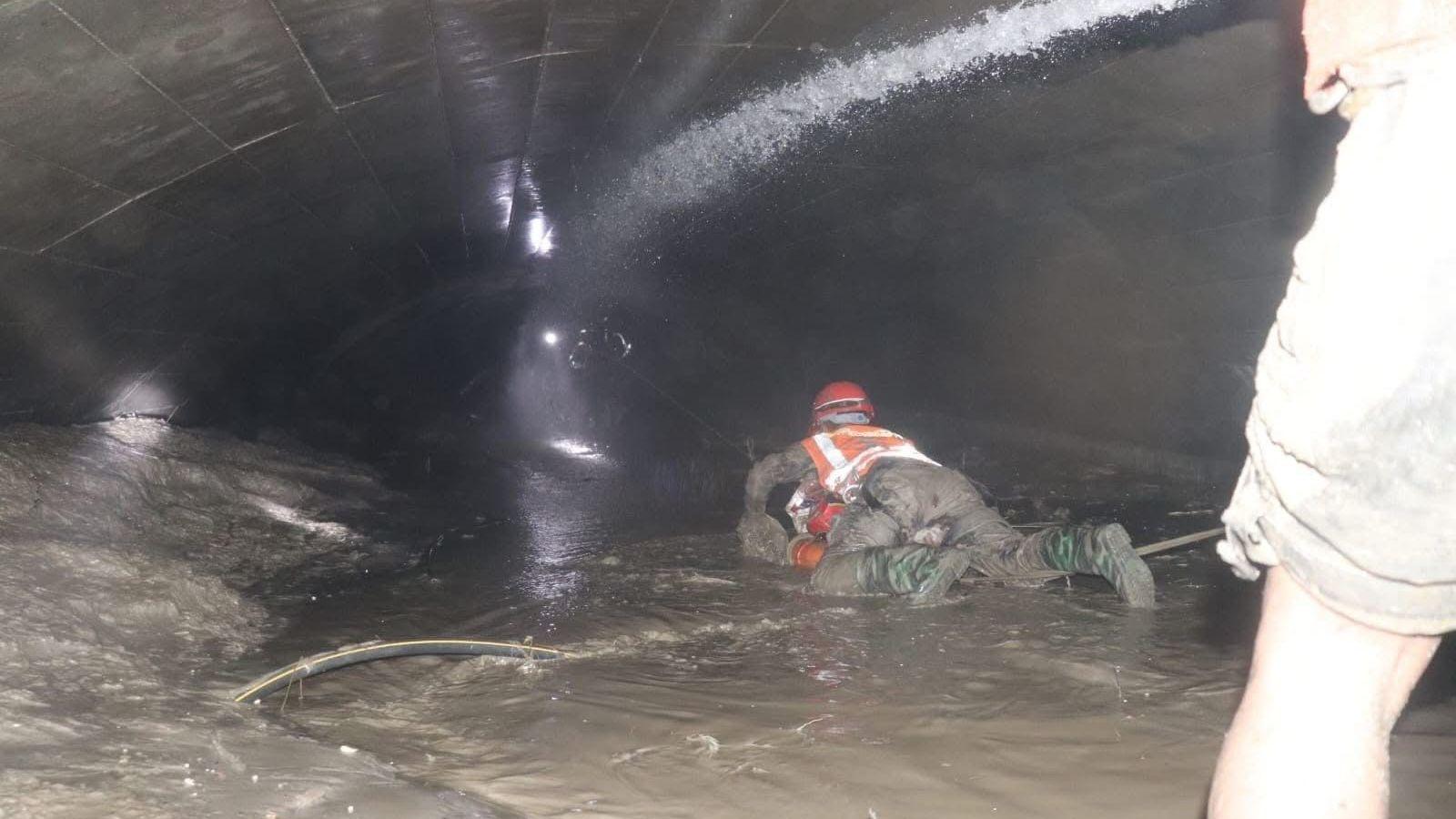
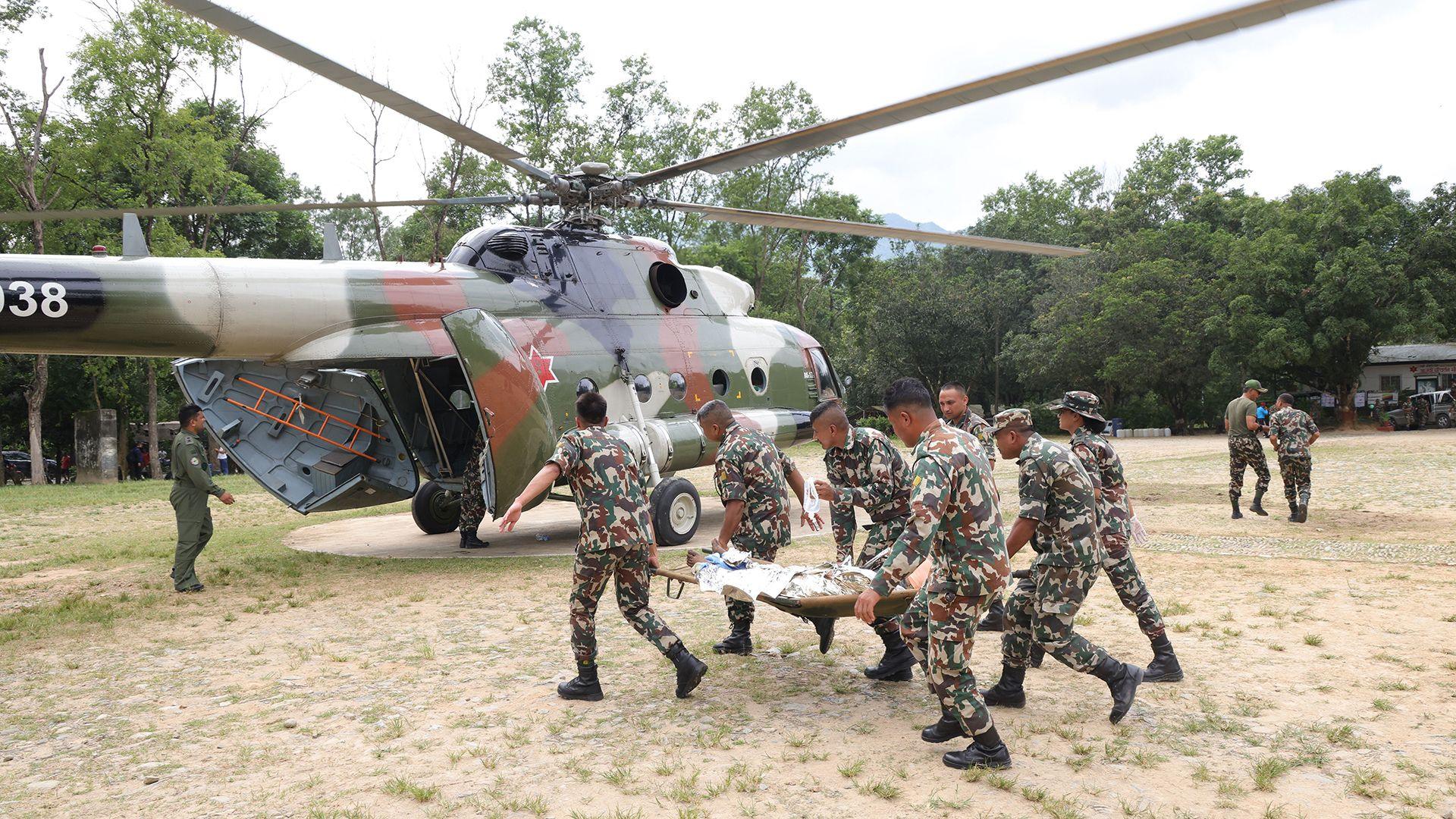
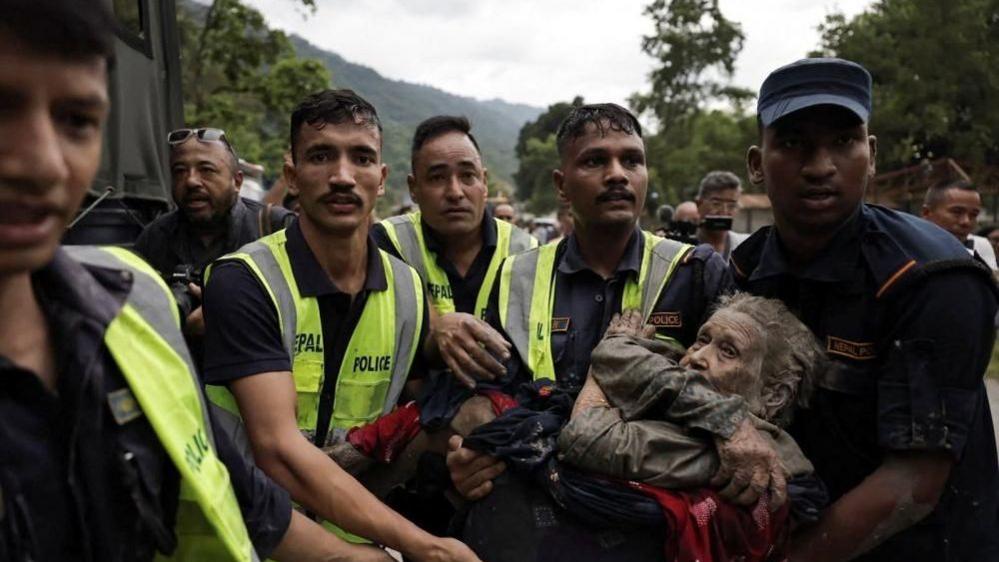
In the aftermath, two Venezuelan rescue teams from the fire department arrived, but the first official team only set foot at the scene on Friday. Colombian and US teams joined later, but many residents remain skeptical that these late efforts are enough to uncover survivors in a city where the building remains buried.
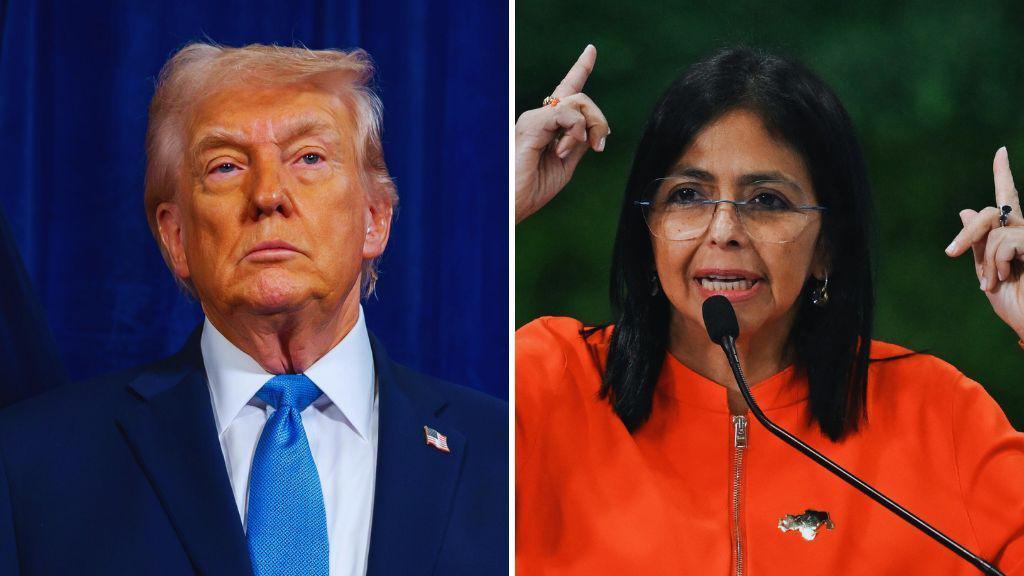
Interim President Delcy Rodríguez called the earthquakes a “most brutal natural catastrophe” in Venezuelan history, yet local eyes have turned toward the perceived inaction of authorities, with citizens demanding prompt tools and manpower to break through the rubble and reunite families. The low‑cost, high‑risk approach to rescue, combined with warnings of dozens of bodies buried underground, is a stark testament to the ongoing strain between government and citizenry in the wake of a national disaster.