In brief
In March 1960, police opened fire on a peaceful protest in Sharpeville, killing 69 and wounding many. Now, 65‑year‑old Abraham Mofokeng and other survivors are suing to invalidate the 1961 Indemnity Act that shielded the police from prosecution. Their case, led by Lawyers for Human Rights and UK firm Leigh Day, could open the door for a class action and possible criminal charges. The fight reflects a broader struggle to finally bring justice to victims of apartheid.
Sharpeville survivors start legal fight for justice in South Africa
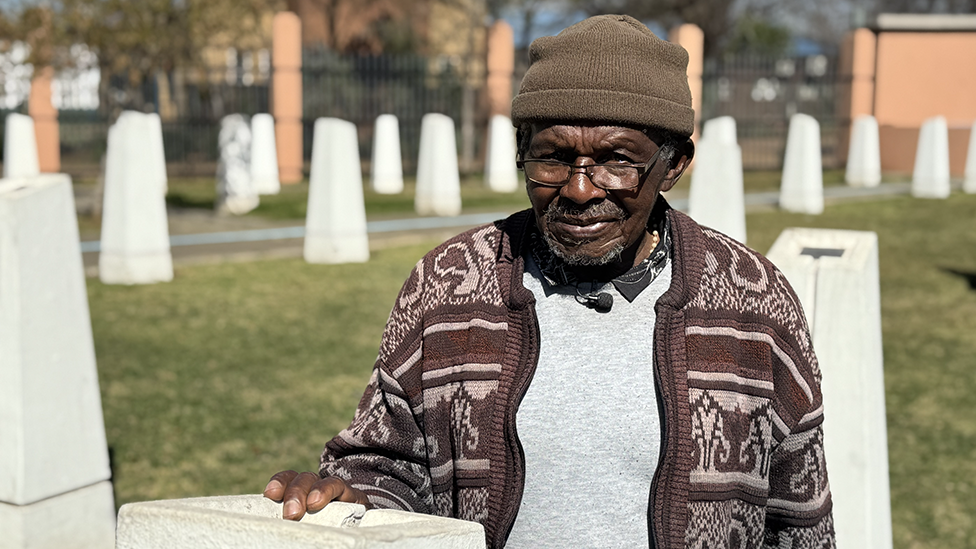
Abraham Mofokeng, now 86, carries a bullet lodged in his spine from the 1960 Sharpeville massacre – an event that exposed the brutality of apartheid. He and other survivors are now suing to overturn the 1961 Indemnity Act that shielded police officers from liability.
The deadly protest began on 21 March 1960, when thousands gathered to oppose oppressive pass laws. Police fired into the crowd, killing 69 people and injuring over 200. The Indemnity Act granted the apartheid government and police immunity for these actions, a law that still sits on South Africa’s statute book.
Survivors and families say the law has prevented any real accountability. By filing at the High Court, they hope to set a precedent for a class action that could involve 70 or more claimants, and potentially revive criminal charges for the shooters who may still be alive.
Legal experts argue that the act is unconstitutional under South Africa’s 1994 constitution, which preserves laws until they are repealed. “Repealing the indemnity law would cleanse our legal system and close a painful chapter,” says Prof Frans Viljoen.
If the court agrees, the community of Sharpeville could finally begin the healing process that has lasted decades. Mofokeng said, “Apartheid is dead and buried. A win would bring complete healing, not just for us, but for future generations.”
For residents, this case signals a new chance to demand reparations and recognition. While the Truth and Reconciliation Commission offered grants, it never addressed the core issue of police accountability.
The lawsuit is a step toward justice and a reminder that the legacy of apartheid still shapes South Africa’s present. The outcome could reshape how the country remembers its darkest history and underscores the need for restorative justice.