In brief
In Caracas, the United States signed a 100‑year concession for 17 Venezuelan oilfields, totaling 65 billion barrels – roughly a fifth of the nation’s proven reserves. The deal, praised by President Trump as the largest in history and lauded by Interim President Delcy Rodríguez for its projected $100 billion investment, faces fierce criticism for its perceived one‑sided terms and the U.S. government’s veto power over board appointments. Venezuelan opposition factions and former state‑oil executives decry the agreement as a new form of colonial leasing, while experts warn that restoring production will require a decade and massive investment. Amidst the diplomatic fanfare, the deal raises questions about leadership, sovereignty, and the long‑term future of Venezuela’s oil sector.
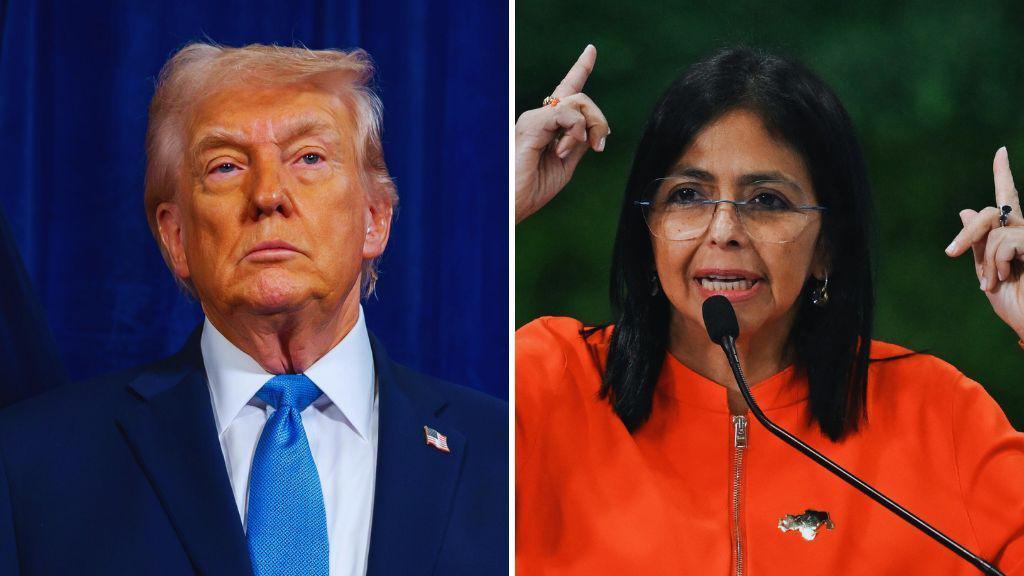
From the start of President Donald Trump’s tenure, the United States set its sights on Venezuela’s oil industry. He publicly stated the U.S. would "run" the country’s petroleum sector and oversee future sales. That ambition culminated in a Wednesday signing of a 100‑year concession covering 17 Venezuelan oilfields, containing an estimated 65 billion barrels of crude – over a fifth of Venezuela’s proven reserves.
Trump lauded the contract as "the biggest oil deal in world history" and interim President Delcy Rodríguez called it "historic", projecting $100 billion in investment and more than $200 billion in tax revenue. Critics, however, have bristled at the one‑sided terms: former special representative Elliott Abrams called it a deal that gives away "20% of the national patrimony for nothing" and accused Rodríguez of merely capitulating to Washington.
The agreement pits the U.S. federal government alongside Venezuelan oil firm North American Blue Energy Partners (Nabep), the second largest private producer after Chevron. Under the pact, the U.S. holds veto power over board appointments and requires a majority of Nabep’s board to be U.S. citizens, raising concerns of foreign control over sovereign resources.
Experts warn the existing Venezuelan oil sector, already out of production, will need roughly $100 billion over eight years to restore output levels from 30 years ago—a process taking a decade or more. This slowdown clashes with Trump’s claim of profit within two to three years.
Opposition figures such as María Corina Machado and economist Ricardo Hausmann have seized on the deal as a betrayal of Venezuelan democracy and an act of neocolonialism. Meanwhile, former PDVSA leaders like Rafael Ramírez see the contract as a handover of national assets to an old adversary, echoing fears of colonial domination over the country’s most valuable resource.
The deal’s rapid approval and the absence of an imminent election have intensified calls for political reform across the political spectrum, with many supporters of the socialist party expressing discontent that the regime has outsourced Venezuelan wealth to foreign interests.