In brief
Chapal Bhaduri, renowned as Chapal Rani, emerged as a leading figure in Bengal's jatra theatre during the mid-20th century. Known for his portrayal of female characters and a unique blend of gender identity, he became a symbol of a disappearing era. A new book, 'Chapal Rani: The Last Queen of Bengal' by Sandip Roy, details Bhaduri's remarkable journey from stardom to obscurity, highlighting his struggles, artistry, and the eventual shifts in the theatrical landscape.
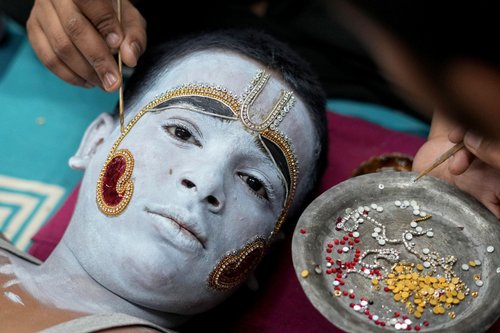
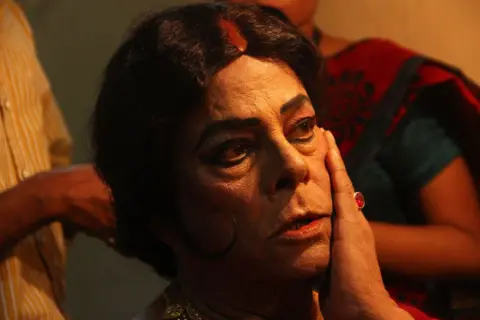
In mid-20th Century Bengal in eastern India, some of the biggest female stars on stage were actually men. Foremost among them was Chapal Bhaduri - better known as Chapal Rani - the reigning 'queen' of jatra, a travelling theatre tradition that once drew vast, fervent crowds. Male actors playing female roles were a familiar trope across global theatre, but in Bengal, this tradition flourished as jatra, rooted in epic and devotional storytelling. In a new book, 'Chapal Rani: The Last Queen of Bengal', writer Sandip Roy traces Bhaduri's journey from stardom to obscurity, shedding light on a world where gender was performance. Bhaduri, who grew up around performers, began acting at 16 and excelled in portraying queens, courtesans, and goddesses with grace. Despite the stigmas attached to male impersonation in theatrical arts, Bhaduri's performances were deeply immersive and authentic. As the jatra tradition waned and women entered the acting sphere, Bhaduri faced rejection and ultimately worked menial jobs, though his life was documented through films and exhibitions. Now 88 and living in a retirement facility, Bhaduri's legacy raises questions of memory and recognition in the arts. His story is significant, revealing the complexities of identity and performance in a changing cultural landscape.