In brief
Canada’s trade minister Dominic LeBlanc reiterated that negotiations are not finished as he leaves a Washington meeting with US counterparts, under a looming midnight deadline to settle a tentative trade deal with President Trump’s administration. Trump, speaking hours before the deadline, said progress was “moving along” while promising a better agreement with the U.S. The deal, if reached, could cut tariffs on Canadian steel, aluminium and automobiles, though Canada’s provinces and critics are wary of its terms and potential job losses. Premier Wab Kinew bemoaned the expected tariffs, while Stephen Hollingworth urged the government to hold out for superior conditions. Polls suggest a majority of Canadians would oppose significant concessions to the U.S., and leaked audio claims Vice‑President Vance said Carney’s approach may have been counterproductive.
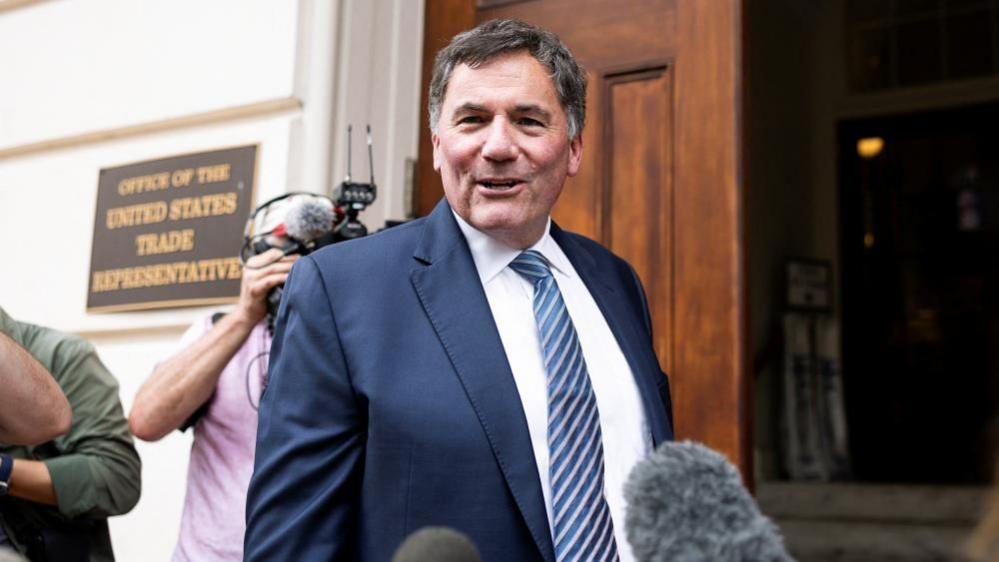
Canadian trade minister Dominic LeBlanc said the talks with the United States would continue “until the last minute” after he left a Washington meeting with U.S. Trade Representative Jamieson Greer and other officials, just before the midnight deadline to finalize a tentative trade deal with the Trump administration.
LeBlanc, who has spent the past two weeks in the U.S. pressing for concessions on Canadian steel, aluminium, automobiles, dairy and other products, reassured reporters that Canada’s “job is not finished.” He joined a long series of eight‑hour negotiations that have kept both sides on the edge.
Hours before the deadline, President Donald Trump told Reuters that progress was “moving along” and that a new deal with the United States was “looking good.” He highlighted the need for a deal to improve Canada’s standing and added that a similar agreement with Mexico was already underway.
While the final framework remains undisclosed, leaked reports suggest the U.S. will reduce tariffs on Canadian steel and aluminium to 25% from 50% and on automobiles to 15% from 25%. Canada is also expected to let U.S. dairy producers greater access to its market and lift its retaliatory tariffs on American products.
Pro‑Canadian critics flag the deal as potentially one‑sided. Conservative opposition leader Pierre Poilievre warned that any agreement carrying such tariffs “could hurt Canadian industry.”
Premier Wab Kinew of Manitoba publicly decried the expected tariffs, labeling the U.S. executive a “bad person” and urging Canada to resist rushed concessions.
Other premiers—such as those from Quebec, Nova Scotia, and Yukon—have expressed a willingness to restore U.S. alcohol sales, a key consideration for the agreement. Meanwhile, the mayor of a major Ontario steel‑producing city said a deal including 25% tariffs would be a “disappointing” outcome for local communities.
Reports estimate that if Canada fails to reach a deal, a spike in U.S. tariffs could lead to the loss of roughly 90,000 Canadian jobs. Analysts from TheHub warn that such losses would have severe domestic repercussions.
Public sentiment suggests Canadians are wary of yielding to U.S. demands. A Leger poll indicated 56% of respondents wanted a hard‑line stance against the administration’s demands, echoing the concerns addressed by Prime Minister Mark Carney.
In a leaked audio recording at a private fundraiser, U.S. Vice‑President JD Vance reportedly accused Carney of “out‑toughing” President Trump in trade talks, suggesting that Carney’s approach may have been excessively conciliatory.
With the deadline firmly in place, Canadian and U.S. negotiators alike are racing against the clock, balancing domestic pressure against the need to avoid a surge in tariff‑priced goods on both sides of the border. The outcome of these frantic talks will shape Canada’s trade future and the broader North American economic landscape for years to come.