In brief
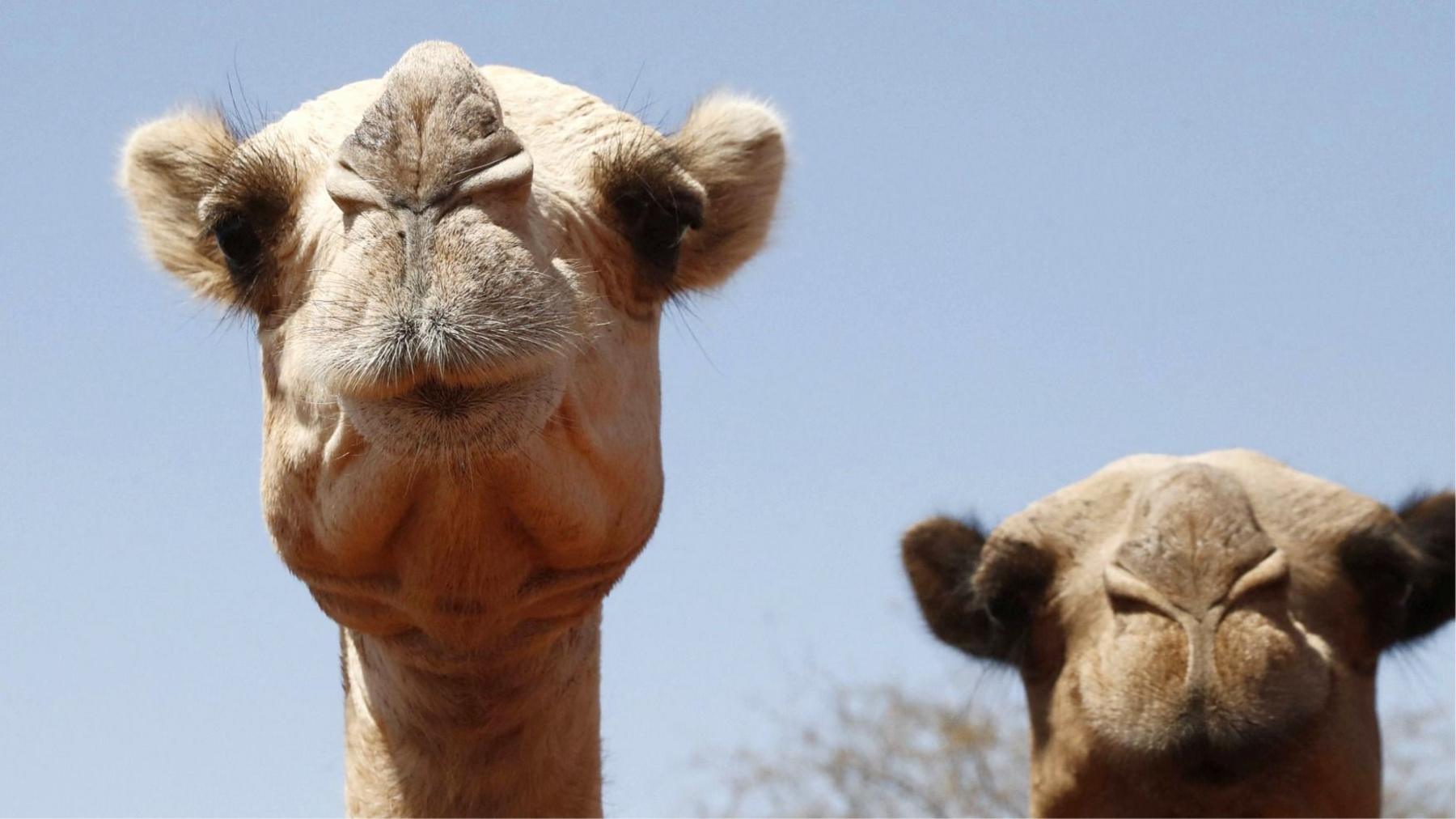
The iconic desert camel, once a symbol of resilience, now faces unprecedented heat stress in Ethiopia’s Afar region and across North Africa. Farmers report blisters, dehydration, and death of calves as temperatures rise beyond their tolerance. Scientific studies link extreme heat to reduced water, vegetation and shade, exacerbating disease spread and lowering milk yields. Experts warn that sustained heatwaves are turning these ancient survivors into climate victims, urging targeted interventions for water provision, feeding and veterinary care.
The camel, hailed as the ship of the desert, is now harming from the very heat that once gave it strength. In Ethiopia’s Afar region, a 40‑year‑old herder named Ali Umer has witnessed blisters on camel feet, watery eyes, and burning sand searing their skins. He reports losing eight camel calves in the past month to the scorching heat.
Scientists, animal welfare workers and recent studies confirm that extreme heat is driving dehydration, disease and reproductive failures across millions of camels. In Somalia, nearly half of camel‑owning households reported drought‑related mortality, with the northern province of Sool experiencing a 73% death rate.
The WHO and WMO have documented rapid warming in North Africa, noting that temperatures now often exceed 50 °C during peak summer. Heat above 40 °C forces camels to alter body temperature over the day, conserving water but undermining their metabolism. Chronic exposure damages white blood cells and slows repair, leading to weight loss, inflammation and reduced milk production.
In Kenya’s Marsabit county, a veterinary officer reports a 15 % rise in camel deaths over the past two years due to heat and disease. The same trend holds in Algeria, where a study shows increased mortality during summer heatwaves, urging water provisioning, supplemental feeding and disease monitoring.
Beyond temperature, loss of vegetation, shelter and veterinary services compound the camel’s plight. South‑moving, many herders are abandoning historically nurtured northern regions and relocating their herds toward more plentiful water and shade.
The situation threatens the livelihoods of pastoral communities who rely on camels for milk and transport. As drought cycles linger, the once resilient animal now stands as a climate victim, with urgent need for community‑focused interventions and global action to curb extreme temperatures.