In brief
Kenya has reported its first ever Ebola outbreak, with nine confirmed cases all connected to a patient who died after travelling from the Democratic Republic of Congo. Comprehensive contact tracing has isolated 134 of 135 contacts, and the government has bolstered airport and border screenings. Health workers and a cleaner also tested positive, raising concerns over workplace safety. The national health director reports that patients are improving, and no national lockdown is planned. International advisories from the US, UK and Canada urge caution, but current containment measures aim to prevent wider community spread.
Kenya is grappling with its first ever outbreak of Ebola, a disease that its neighbours have long dealt with.
Nine cases have been confirmed, all linked to the patient who travelled from the Democratic Republic of Congo and died two weeks ago.
Four relatives, three health workers and a hospital cleaner were infected, highlighting close contact with the index case.
Foreign governments, including the US, have issued travel warnings while neighbouring Uganda, Ethiopia and Somalia raise their own alerts.
Kenyans worry that the virus could spread further. About 4,000 people have died in DR Congo’s outbreak, and Kenya faces the risk of new arrivals across borders.
What Kenya’s Response Looks Like
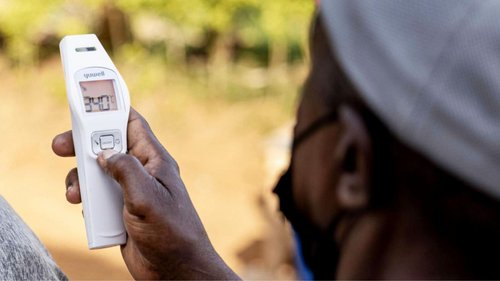
The authorities urged calm when the first case was announced, emphasising heightened surveillance at airports and checkpoints.
Kenya now screens travellers from 10 high‑risk countries, requiring a digital health declaration and a QR code for port staff.
Public messaging campaigns urge people to report symptoms and seek hospital care promptly, while hygiene protocols such as hand washing are promoted.
Dedicated isolation wards and a specialised laboratory have been opened at Kenyatta National Hospital to ensure safe testing.
Health Director‑General Patrick Amoth reports eight patients improving and stresses that no national lockdown or travel ban will be imposed.
Protection of Health Workers
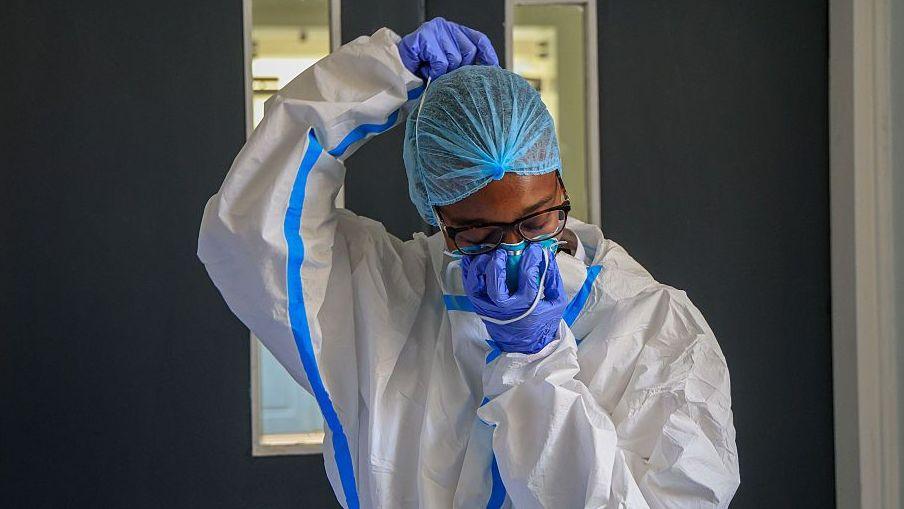
Three health workers and a cleaner testing positive has prompted calls for better protective gear and training for frontline staff.
The Kenya Medical Practitioners and Dentists Union urges the government to provide sufficient personal protective equipment to hospitals nationwide.
Cross‑Border Measures
Countries in the region, including Somalia, Ethiopia, Tanzania and Uganda, have tightened surveillance and screening to curb potential spread.
The journey of the first patient, moving from DR Congo through Uganda to Kenya, is mapped to trace contact points.