In brief
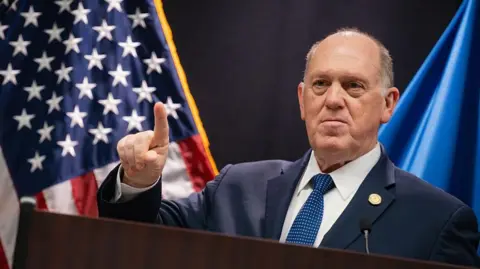
In response to widespread protests and political pressure, White House border czar Tom Homan stated that the federal government plans to reduce its presence in Minneapolis. This decision comes after the tragic shootings of two residents during immigration enforcement operations, which has sparked outrage among the community and lawmakers. While the federal forces are set to draw down, Homan assured that the immigration crackdown will continue but in a more 'targeted' manner. Local officials have expressed their concerns regarding the federal operation, with calls for a complete withdrawal of federal agents.
The US is planning to draw down federal forces in Minneapolis following the fatal shootings of two US citizens. Tom Homan, the White House's border tsar, announced this development, emphasizing that it does not signify the end of ongoing immigration operations.
The draw down is going to happen, Homan stated during a press conference in Minneapolis. However, he stressed, We are not surrendering our mission at all. We're just doing it smarter. It remains unclear how many federal forces will exit the city or the timeline for this reduction, raising concerns about the extent of the Trump administration's re-evaluation of its enforcement strategy after the president indicated a desire to de-escalate in Minneapolis.
In light of the recent incidents that led to community upheaval, including the deaths of Renee Good and Alex Pretti by federal agents as part of the immigration crackdown, protests erupted, resulting in calls for a halt to federal operations in the area. Minneapolis Mayor Jacob Frey and Minnesota Governor Tim Walz have both advocated for the withdrawal of federal agents, with the state also seeking legal action against the controversial Operation Metro Surge involving thousands of DHS officers.
Homan stated that adjustments to operations hinge on cooperation from local officials, although he refrained from detailing which specific requests from Frey and Walz the administration disagrees with. The killings ignited urgent conversations in Washington, as both Walz and Frey have engaged directly with Trump.
Homan assured a more targeted federal operation moving forward but provided no further insights into how these changes would manifest. Despite his reassurances regarding safety, he reiterated the necessity of stringent enforcement measures, claiming they contribute to national security.
This situation continues to unfold amid broader national debates over immigration policy and federal enforcement tactics, particularly in metropolitan areas like Minneapolis, where local leaders are pressing for changes in operational conduct.