In brief
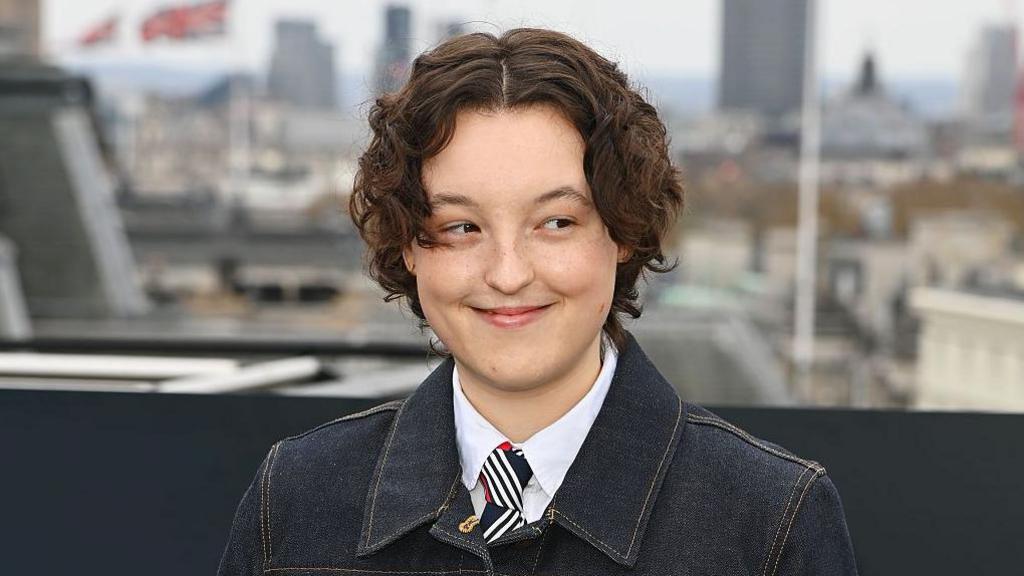
In a recent interview, Bella Ramsey admits she was emotionally restrained as a teenager and believed she could control her growth by avoiding typical teenage behaviour. The 22‑year‑old used a seven‑week summer camp film ‘Sunny Dancer’ to play an irreverent teen and sparked a new wave of self‑expression. She shares her feelings of wishing she had embraced a more rebellious spirit and encourages youngsters not to change themselves to fit in. Director George Jaques echoes her sentiment and stresses the need for honest grieving and less societal pressure. Together they call on society to give young people room to feel grief, rebelliousness and personal growth without fear of judgement.
In an exclusive interview with BBC News, the 22‑year‑old actor who first rose to fame as Lyanna Mormont in Game of Thrones revealed that she was never a typical rebellious teenager. She purposely avoided the “moody, rebellious phase” that most people think of when they picture youth, fearing criticism from adults.
She says: “I was like, I’m not going to be that.” That honesty set the stage for her recent role in the film Sunny Dancer, which lets her step into the shoes of a 21‑year‑old who only has seven weeks to act like a teenage rebel.
"It was truly liberating,“ Bella said. She admits she now wishes she had embraced the freedom that comes with being a typical teenager and “getting away with things and being a bit rebellious.” The experience in Sunny Dancer provides a backdrop of summer camp adventures, echoing the film’s central theme of healing through community.
The film’s writer and director, George Jaques, grew older watching his mother’s cancer diagnosis when he was 15 and only took eight years to turn that experience into a screenplay. He emphasises that the film is not a biography, but a thinly veiled mirror of his own and many of the survivors he met through the Teenage Cancer Trust.
Jaques recalls a powerful moment at the Berlin premiere where he saw his mother in the audience and “realised there’s a version of that movie where my mum wasn’t sitting in the audience.” Such moments underline the film’s message that grief and grief support should be allowed to be loud or quiet, private or public.
Both Ramsey and Jaques advise young people to keep authenticity at the forefront. "Don’t try and fit in. Please don’t change to try and fit in because there are people who will fit in with you.",” Ramsey says. Jaques adds, “There’s so much pressure on young people to change on social media. Why don’t we stop hating on young people? Maybe that’s where we should start.”
These perspectives echo a growing conversation about teenage mental health and the social‑media pressures that shape identity. The twin call to compassionate grieving and authentic youth identity sets the stage for a broader dialogue in 2026 and beyond.