In brief
Khaleda Zia, Bangladesh's first female prime minister, was commemorated in a state funeral attended by hundreds of thousands in Dhaka. Zia died after prolonged illness at the age of 80, with mourners expressing gratitude for her contributions to women's education and advocacy for democracy. Among the attendees were foreign dignitaries, and her funeral marked the culmination of her remarkable political journey.
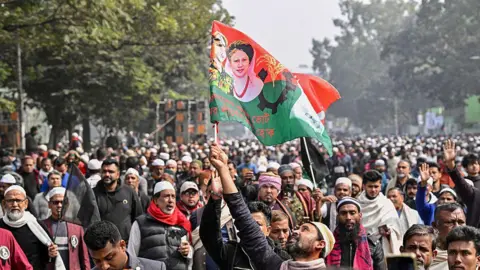
Hundreds of thousands of people travelled from across Bangladesh to the capital Dhaka on Wednesday to pay their final respects to former Prime Minister Khaleda Zia. Zia, who was the country's first female prime minister, died on Tuesday from a prolonged illness at the age of 80. The mourners held out their hands in prayer and carried flags printed with her photographs as a motorcade carrying Zia's body, including the hearse wrapped with the national flag, drove on streets near the parliament house.Flags were flown at half-mast, and thousands of security officers were deployed. I have come this far just to say goodbye. I know I won't be able to see her face, but at least I could see the [vehicle] carrying her for the last rites, Setara Sultana, an activist from Zia's Bangladesh Nationalist Party (BNP), told the BBC. Sharmina Siraj, a mother of two, called Zia an inspiration, noting that stipends introduced by the former leader to improve women's education had a huge impact on her daughters.The state funeral attracted dignitaries including India's External Affairs Minister, and marked the end of Zia's extraordinary journey from a homemaker to a political leader. Zia was buried next to her late husband Ziaur Rahman, further solidifying her storied legacy.Despite recent political tensions, Zia remains a prominent figure in Bangladesh's political landscape, and her resilience continues to inspire many. Her son, Tarique Rahman, is expected to take the political mantle following her death.