---
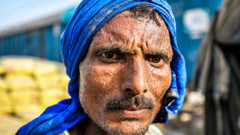
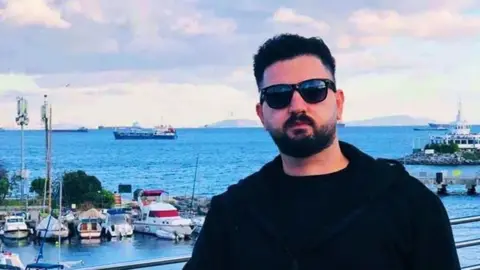
Gurpreet Singh, an Indian hopeful for a new life in the United States, recently recounted the traumatic experience of his deportation that he faced on February 3. With handcuffs binding his wrists, leg shackles, and a chain around his waist, Gurpreet was escorted to a military transport aircraft by U.S. Border Patrol, marking the end of his arduous journey to America. "It felt like the ground was slipping away from underneath my feet," he reflected.
For years, Gurpreet, like many other undocumented Indians, sought to escape high unemployment rates and dire economic conditions back home, risking everything for a better future in the U.S. Official estimates indicate around 725,000 undocumented Indians living in the U.S., trailing only Mexicans and El Salvadorans. Gurpreet became one of the first Indians to face deportation under President Trump's administration, which has prioritized mass removals and strict immigration policies.
Despite his plans to seek asylum due to threats he experienced in India, a Trump-era executive order halted his potential claim without consideration. Images of shackled deportees released by U.S. Border Patrol garnered significant backlash, stirring outrage among Indian citizens and opposition parties. Gurpreet described the inhumane treatment: "We weren’t allowed to stand up, and if we needed to use the toilet, we were escorted in shackles."
Critics in India have questioned Prime Minister Modi's relationship with Trump, highlighting the harsh treatment of Indian nationals and calling for accountability. An Indian Foreign Ministry official stated that concerns were communicated to the U.S., leading to fewer shackles on female deportees in subsequent flights. For Gurpreet, however, the psychological impact of the experience was profound, declaring, “No one will try going to the U.S. now through this illegal 'donkey' route while Trump is in power.”
Gurpreet's economic motivations stemmed from the troubling reality in India, where even amid a seemingly low official unemployment rate of 3.2%, many fear job insecurity. He shared the struggles of his previous businesses, which failed due to currency withdrawal and COVID-19 lockdowns. “We leave India only because we are compelled to. If I got a job that paid me even 30,000 rupees (£270/$340) a month, I would never have thought of leaving," he explained.
His journey to the U.S. involved selling personal assets and borrowing to fund the perilous route coordinated by people smugglers. Gurpreet's odyssey included traversing through dense jungles, enduring harsh conditions, and facing numerous dangers, only to find a disheartening end upon reaching America. Instead of a new beginning, he found himself back in India, struggling to restabilize and support his family by seeking employment to repay debts incurred during his migration attempt.
Gurpreet's narrative highlights the urgent need for humane immigration policies and underscores the desperation that drives so many to risk everything for a chance at a better life, reflecting broader themes of migration, asylum rights, and international relations.
Gurpreet Singh, an Indian hopeful for a new life in the United States, recently recounted the traumatic experience of his deportation that he faced on February 3. With handcuffs binding his wrists, leg shackles, and a chain around his waist, Gurpreet was escorted to a military transport aircraft by U.S. Border Patrol, marking the end of his arduous journey to America. "It felt like the ground was slipping away from underneath my feet," he reflected.
For years, Gurpreet, like many other undocumented Indians, sought to escape high unemployment rates and dire economic conditions back home, risking everything for a better future in the U.S. Official estimates indicate around 725,000 undocumented Indians living in the U.S., trailing only Mexicans and El Salvadorans. Gurpreet became one of the first Indians to face deportation under President Trump's administration, which has prioritized mass removals and strict immigration policies.
Despite his plans to seek asylum due to threats he experienced in India, a Trump-era executive order halted his potential claim without consideration. Images of shackled deportees released by U.S. Border Patrol garnered significant backlash, stirring outrage among Indian citizens and opposition parties. Gurpreet described the inhumane treatment: "We weren’t allowed to stand up, and if we needed to use the toilet, we were escorted in shackles."
Critics in India have questioned Prime Minister Modi's relationship with Trump, highlighting the harsh treatment of Indian nationals and calling for accountability. An Indian Foreign Ministry official stated that concerns were communicated to the U.S., leading to fewer shackles on female deportees in subsequent flights. For Gurpreet, however, the psychological impact of the experience was profound, declaring, “No one will try going to the U.S. now through this illegal 'donkey' route while Trump is in power.”
Gurpreet's economic motivations stemmed from the troubling reality in India, where even amid a seemingly low official unemployment rate of 3.2%, many fear job insecurity. He shared the struggles of his previous businesses, which failed due to currency withdrawal and COVID-19 lockdowns. “We leave India only because we are compelled to. If I got a job that paid me even 30,000 rupees (£270/$340) a month, I would never have thought of leaving," he explained.
His journey to the U.S. involved selling personal assets and borrowing to fund the perilous route coordinated by people smugglers. Gurpreet's odyssey included traversing through dense jungles, enduring harsh conditions, and facing numerous dangers, only to find a disheartening end upon reaching America. Instead of a new beginning, he found himself back in India, struggling to restabilize and support his family by seeking employment to repay debts incurred during his migration attempt.
Gurpreet's narrative highlights the urgent need for humane immigration policies and underscores the desperation that drives so many to risk everything for a chance at a better life, reflecting broader themes of migration, asylum rights, and international relations.