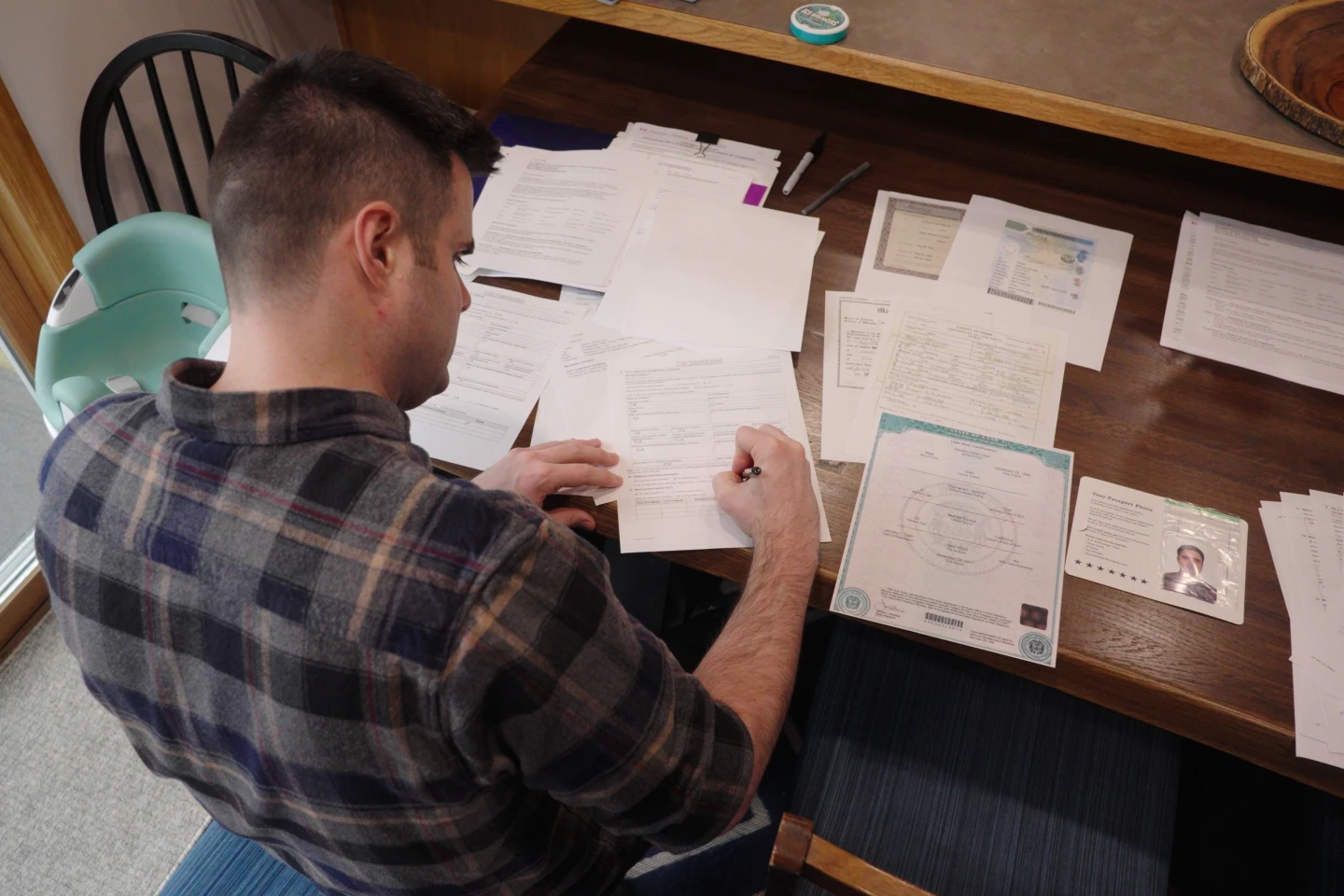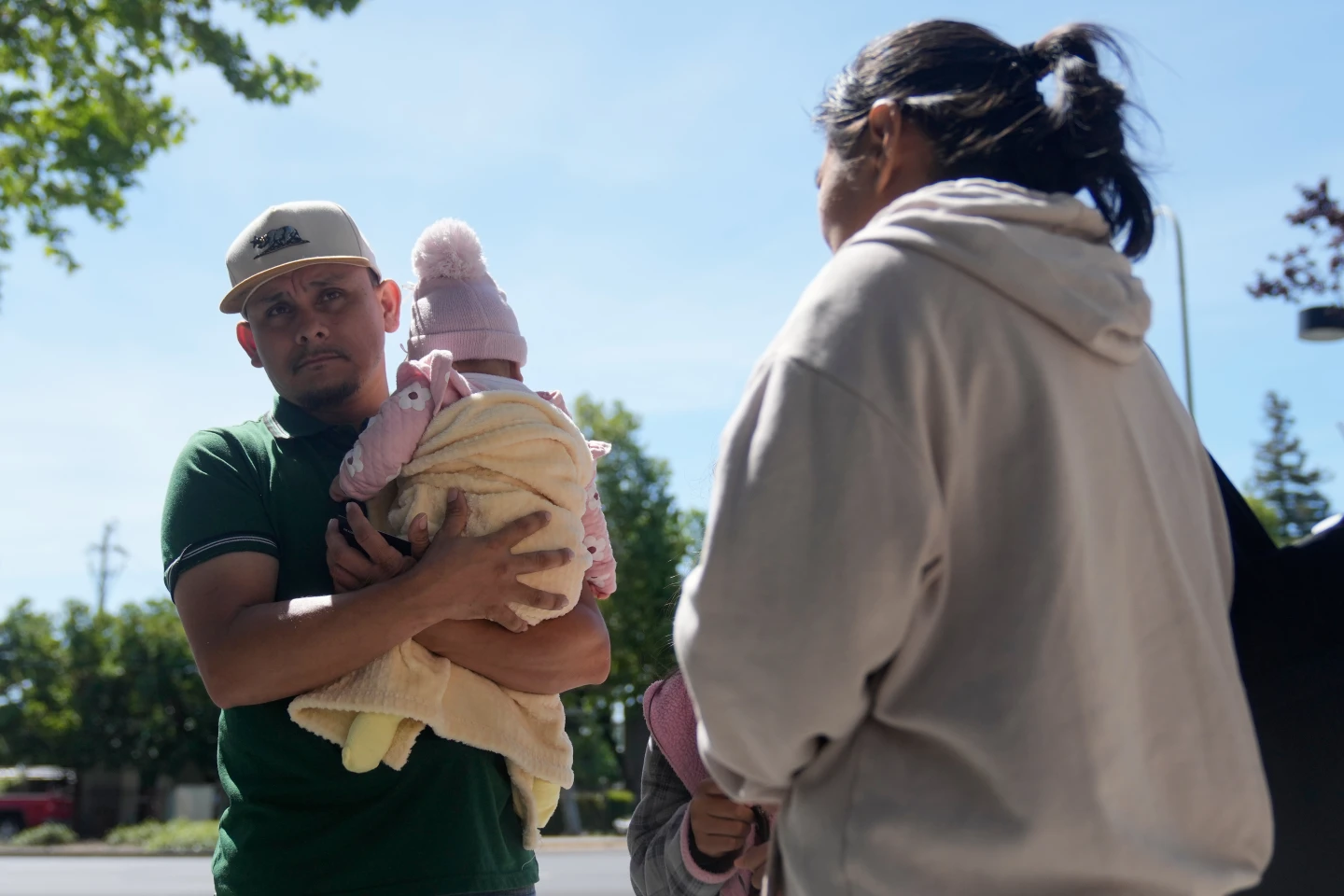
SAN FRANCISCO — The immigration court that once served as a sanctuary for asylum seekers in the nation's most progressive city has completely shut down. May 1 marked the final day of operations for San Francisco's main immigration court, with no judges left to hear cases or argue pleas. From its 21 judges when Donald Trump took office to just two — who will now handle cases from a building across the bay — the court's closure represents the first major city in the U.S. to lose its dedicated immigration facility. 'There are no immigrants waiting for rulings anymore,' the Associated Press reported, as the federal government dismantled the court amid a White House purge of immigration judges.
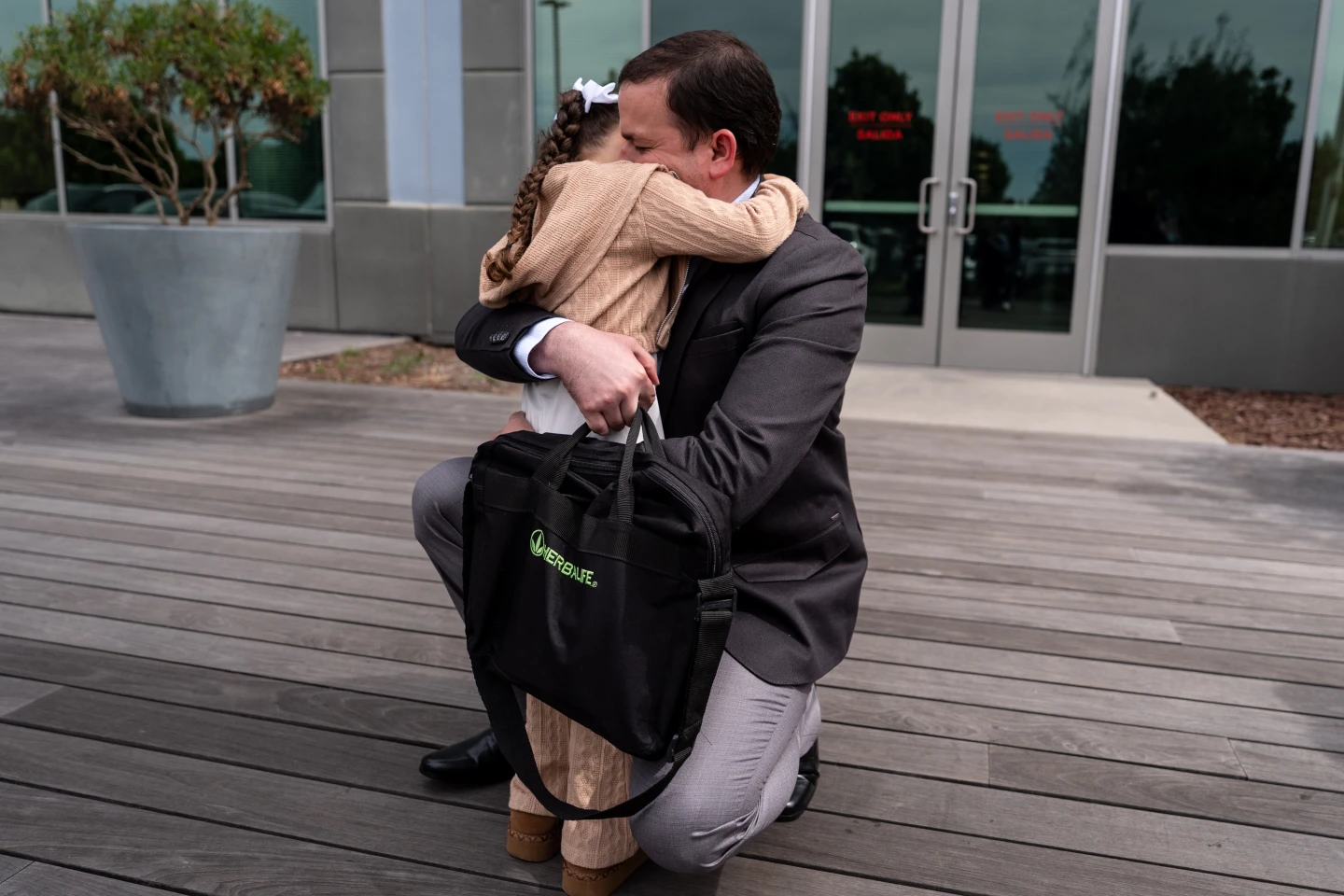
This shutdown is part of a nationwide crisis in the immigration system. With a backlog of 3.8 million asylum cases, the administration has fired nearly 100 judges deemed 'too liberal,' replaced them with hundreds of military lawyers, and seen asylum denial rates soar. Immigrants now face arrest when arriving for scheduled court appearances, while judges and attorneys report last-minute cancellations and cases reset with minimal notice. The chaos extends beyond San Francisco: Concord, the city hosting nearly all relocated cases, has seen its judges drop from 11 to five after the same purge.
San Francisco's court was once a beacon of immigrant rights. From 2019 to 2024, 75% of asylum seekers received relief here — far higher than the national average of 43% — due to robust legal networks and pro bono services. 'It was a vibrant legal scene,' said Jeremiah Johnson, a former San Francisco judge fired in November. 'If you were looking to target a court, you’d target San Francisco.' Now, the court's 117,000 cases are processed under strict security at Concord, where armed guards inspect everyone for weapons, demand cell phones be turned off, and ban all coffee. 'One recent 10-minute hearing took me over two hours of travel,' said attorney Judah Lakin, noting how legal limbo has become life-threatening for clients.
The administration’s strategy is clear: 'The ground is constantly shifting underneath your feet,' Lakin explained. 'Clients get arrested, get denials on routine matters... it’s by design.' Former judge Dana Leigh Marks calls the closure 'part of big ways and little ways to get non-citizens out of the country.' Johnson, now leading the National Association of Immigration Judges, insists he was fired because he granted asylum in 89% of his cases: 'You don’t fire judges if you disagree with their handling — you appeal.' Yet with only 600 judges nationwide (down from 754), the system has shifted toward 'deportations in absentia' as hundreds skip hearings due to arrests.
As cases pile up, attorneys report 'provisional grants' being revoked after judges are fired mid-hearing. 'The whole system is unraveling,' said Nidaa Pervaiz, representing a Nepalese client in Concord. 'Their whole lives are at stake, and they come to make a plea for their future.' With no court in San Francisco, no judge to hear appeals, and no clear path to asylum, the closure symbolizes the administration's war on due process. 'It’s dismantling the path to asylum,' Marks said. 'This isn't just about numbers — it's about people.'"
This shutdown is part of a nationwide crisis in the immigration system. With a backlog of 3.8 million asylum cases, the administration has fired nearly 100 judges deemed 'too liberal,' replaced them with hundreds of military lawyers, and seen asylum denial rates soar. Immigrants now face arrest when arriving for scheduled court appearances, while judges and attorneys report last-minute cancellations and cases reset with minimal notice. The chaos extends beyond San Francisco: Concord, the city hosting nearly all relocated cases, has seen its judges drop from 11 to five after the same purge.
San Francisco's court was once a beacon of immigrant rights. From 2019 to 2024, 75% of asylum seekers received relief here — far higher than the national average of 43% — due to robust legal networks and pro bono services. 'It was a vibrant legal scene,' said Jeremiah Johnson, a former San Francisco judge fired in November. 'If you were looking to target a court, you’d target San Francisco.' Now, the court's 117,000 cases are processed under strict security at Concord, where armed guards inspect everyone for weapons, demand cell phones be turned off, and ban all coffee. 'One recent 10-minute hearing took me over two hours of travel,' said attorney Judah Lakin, noting how legal limbo has become life-threatening for clients.
The administration’s strategy is clear: 'The ground is constantly shifting underneath your feet,' Lakin explained. 'Clients get arrested, get denials on routine matters... it’s by design.' Former judge Dana Leigh Marks calls the closure 'part of big ways and little ways to get non-citizens out of the country.' Johnson, now leading the National Association of Immigration Judges, insists he was fired because he granted asylum in 89% of his cases: 'You don’t fire judges if you disagree with their handling — you appeal.' Yet with only 600 judges nationwide (down from 754), the system has shifted toward 'deportations in absentia' as hundreds skip hearings due to arrests.
As cases pile up, attorneys report 'provisional grants' being revoked after judges are fired mid-hearing. 'The whole system is unraveling,' said Nidaa Pervaiz, representing a Nepalese client in Concord. 'Their whole lives are at stake, and they come to make a plea for their future.' With no court in San Francisco, no judge to hear appeals, and no clear path to asylum, the closure symbolizes the administration's war on due process. 'It’s dismantling the path to asylum,' Marks said. 'This isn't just about numbers — it's about people.'"