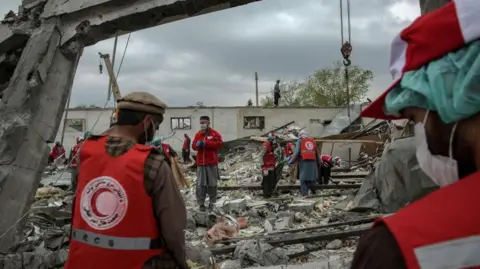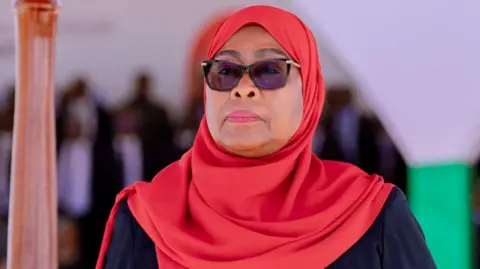
Tanzania remains gripped by the aftermath of its worst post-election violence in decades, a crisis that has shaken its long-standing reputation as a beacon of peace and stability in Africa. It has also earned the country rare rebukes from regional and continental organisations. The death toll is not clear but families continue to search for or bury relatives killed following the recent disputed poll, that President Samia Suluhu Hassan won with 98% of the vote.
Samia, the soft-spoken leader whose calm and gentle demeanour initially inspired optimism when she assumed power in 2021 after the sudden death in office of her authoritarian predecessor, John Magufuli, is now facing pressure from growing civil unrest.
Prof Peter Kagwanja, a Kenyan policy analyst, remarked, Samia has pushed Tanzania to its thick winter of protests, instability and uncertainty. These protests, driven by the youth, mirror worldwide movements against entrenched leadership. Analyst views suggest such unrest was preceded by a tense political atmosphere, marked by years of simmering youth frustrations and opposition repression.
More shockingly, this unrest began during an electoral process where credible opposition was systematically eliminated, leading analysts to question the legitimacy of the electoral process under the ruling CCM party, which is accused of neglecting the populace's demands.
As political turmoil escalates and accusations of oppressive governance mount against Samia's administration, observers note that the narrative of Tanzanian exceptionalism may be unraveling, casting uncertainty over the nation’s political future.