In brief
In San Francisco, a surge of AI professionals swapping equity for cash mortgages has driven property prices into record territory. A luxury apartment in the Duboce Triangle sold above asking, while the median home price climbed 19% in March and nearly $2m in May. The city’s housing market is expanding faster and more intensely than any previous tech boom, though critics warn that the rush could widen affordability gaps. Local agents point to limited supply, rising salaries and the potential slowdown of AI growth as factors keeping the market in flux.
A Surge of Stock‑Cash Tactics Spikes San Francisco Home Prices
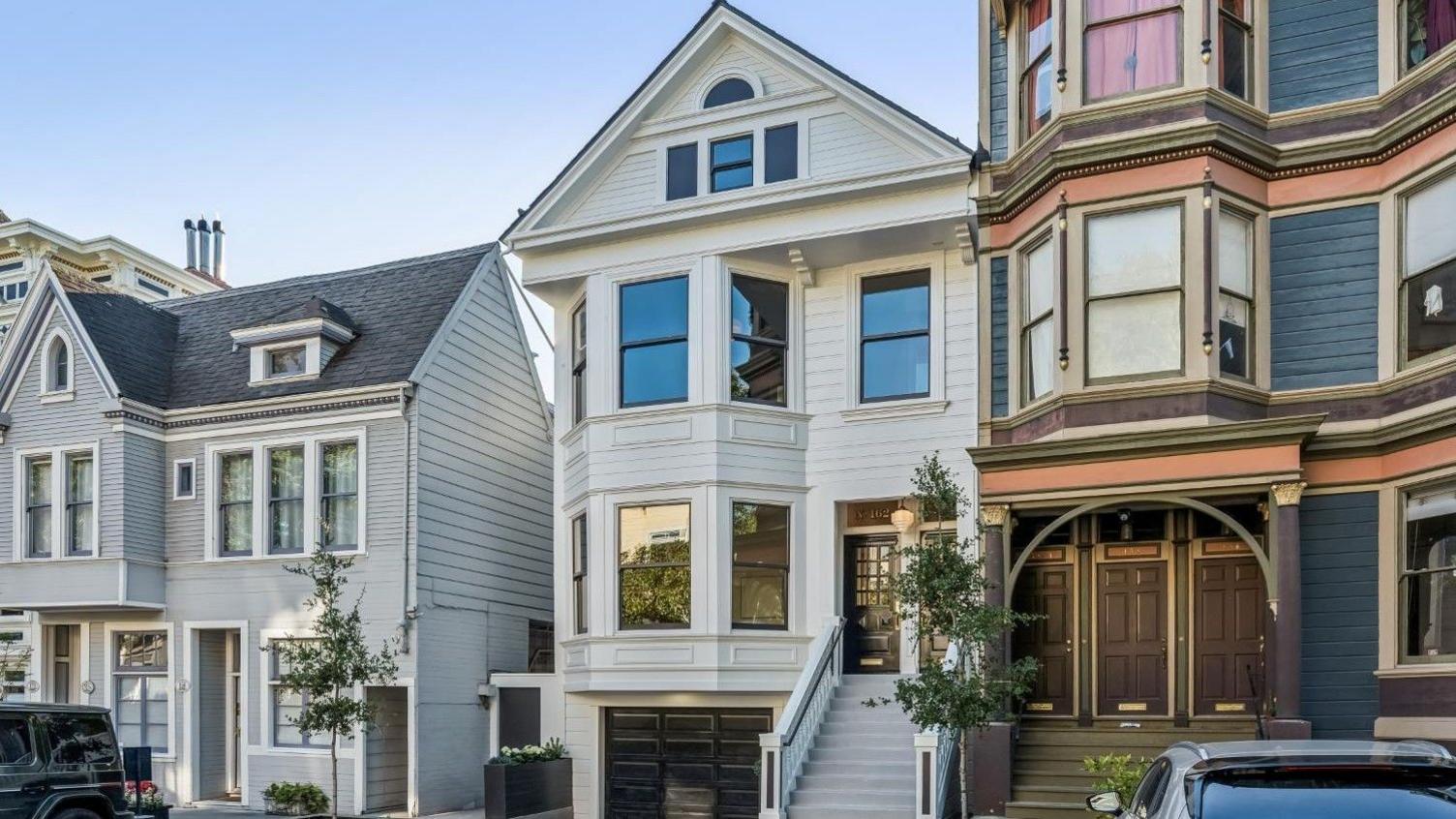
The tree‑lined streets of San Francisco’s Duboce Triangle are now showing a different kind of luxury. A three‑bedroom, 400 sq ft apartment on a white, Edwardian‑era house was listed for almost $3 million, and it attracted buyers who asked for OpenAI or Anthropic shares in place of cash.
AI Shares Replace Cash in Real‑Estate Deals
“The value [of the property] is questionable, but I would like to buy,” says a young OpenAI employee after touring the flat with his partner. He is still renting, but hopes to convince his bosses to allow him to sell stock for cash to close the deal.
Last October, over 600 former and current OpenAI staff sold shares worth $6.6 billion, an average of $11 million per participant. Anthropic employees have had a similar $6 billion sale cap. The wealth influx is redirecting into home purchases.
Rapid Price Growth Across the Bay Area
Redfin data shows San Francisco’s median sale price surged 19% in March 2026, followed by 14.5% in April and 14.1% in May, reaching $1.76 million in May. This contrasts with the national median of $400,000 and a 1–2% rise nationwide. A line chart in the source article illustrates the steep climb.
Experts Attribute the Spike to AI Wealth
Redfin’s Daryl Fairweather said, “People are flush with cash and ready to buy.” He noted that the surge is absent in cities with less AI influx. “People are buying as bargains,” says listing agent Rachel Swann.
Enrico Moretti, a Berkeley economist, cautions that the boom is still early. He points to the city’s population rebound and rising employment rates, but also warns that large tech layoffs and a shift to less specialized AI roles could temper future demand. “A lion’s share of the wealth will go to global investors, not local families,” he says.
Bidding Wars Cross the Market
Estate agent Matthew Goulden notes that bidding wars are now common, pushing price points above asking levels. He says the trend is not limited to luxury homes – it spans single‑family houses to one‑bedroom flats. Homes are selling faster; all‑cash purchases are surging, especially at the upper end.
Stories of Families Affected by AI Wealth
One family with a parent at OpenAI was able to buy a move‑in‑ready house in a family‑friendly neighbourhood after selling company shares. The other family, not linked to AI, had to relocate to a suburban Bay Area town and buy a larger, more expensive property with a mortgage. Both families expressed mixed feelings about being priced out.
The Duboce Triangle apartment reportedly sold for $3.2 million, $200,000 over the asking price. Whether the buyer used AI stock as payment remains confidential.
Short‑Term Outlook
With OpenAI and Anthropic poised for public offerings, the influx of multimillionaires could keep property prices in a high trajectory. Yet the pace may ebb if AI businesses mature or demand falters. Current agents predict a continued rise but allow for potential adjustments as market sentiment shifts.
Data and anecdotal evidence show a city tearing at its real‑estate seams, with opportunities for some and displacement for others, all underpinned by a tech industry that keeps growing, sometimes outpacing the infrastructure that can house it.