In brief
King Mohammed VI emphasizes the need for compassion in light of drought's impact on livestock.
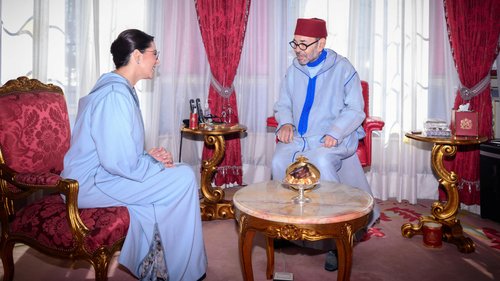
In a significant announcement, King Mohammed VI has requested that Moroccans refrain from the traditional practice of slaughtering sheep for Eid al-Adha this year. The plea comes as the country's sheep herds have dwindled by nearly 40% over the last decade, largely attributed to a prolonged period of drought impacting agricultural sustainability. This highlights the challenging circumstances faced by many due to the scarcity of livestock and skyrocketing meat prices.Eid al-Adha, observed in June, honors the readiness of the Prophet Ibrahim (Abraham) to sacrifice his son in obedience to God. Typically, adherents slaughter sheep or other livestock, distributing the meat among family and the less fortunate. However, the current situation has forced potential changes in how the holiday is celebrated. The king's message was conveyed through a speech by the minister of religious affairs on national television, who outlined the adverse effects that this rite could have on economically vulnerable populations.Historical context adds weight to the king's call; a similar plea was made by his father, King Hassan II, in 1966 during another drought crisis. Agriculture Minister Ahmed Bouari has elaborated on the situation, indicating that the irrigation sector has been severely curtailed, affecting crop production and livestock farming as water is diverted for critical industrial uses.In response to the situation, the Moroccan government has lifted import tax and VAT on livestock products to mitigate rising prices. As part of this measure, approximately 100,000 sheep are being imported from Australia to meet demand during the holiday season. With rising costs and diminishing resources, the call for compassion during this Eid reflects the community's resilience in the face of adversity.