In brief
In a surprise move two weeks before the U.S. mid‑term elections, President Trump announced that from 30 October 2026 the U.S. will ease 50% tariffs on certain Canadian goods—including plywood, paper products, machinery, and refrigeration equipment. The decision follows pressure from Maine Republican Senator Susan Collins, who argued the tariffs hurt the state’s agriculture industry. While the White House says the change protects American workers and ensures fair trade, Canada has issued counter‑tariffs and is awaiting a comprehensive trade deal. The announcement comes at a time when the outcome of the mid‑terms will shape trade policy for the remaining years of Trump’s term.
In a last‑minute change ahead of the 2026 U.S. mid‑term elections, President Donald Trump announced that the administration will lift the 50% tariffs imposed on $20 billion of Canadian goods. The move – effective 30 October – covers items such as plywood sheets, paper products, certain machinery and refrigeration equipment.
\The decision follows a direct appeal from Maine Republican Senator Susan Collins, who has been campaigning to keep her seat and told the White House that the tariffs were hurting agriculture in her state. Collins said the exemptions would help producers of blueberries, potatoes, apples and seaweed in the region.
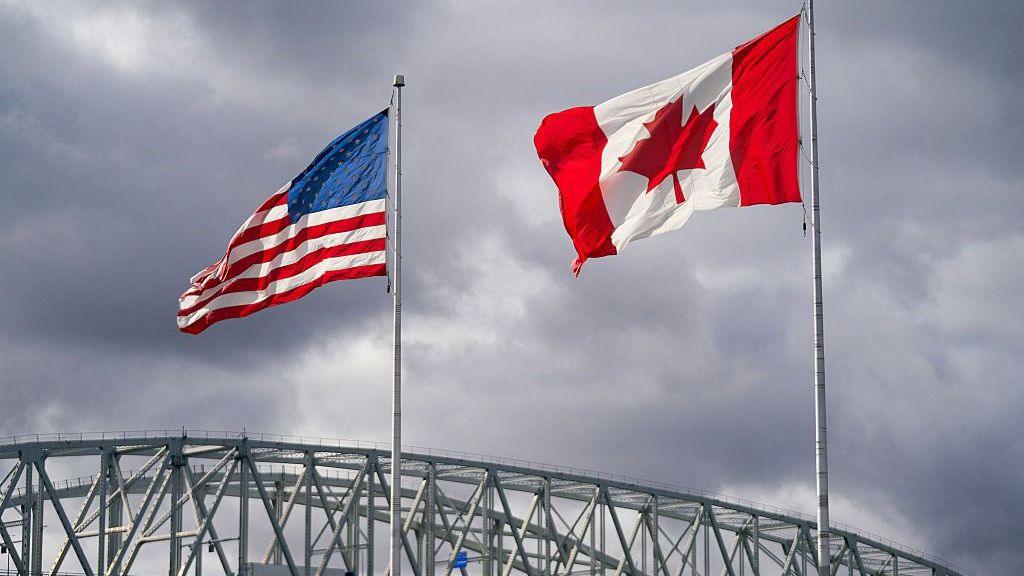
\Canada has responded with its own counter‑tariffs. Prime Minister Mark Carney announced last month that Canada would match U.S. duties $dollar for dollar, describing the U.S. measures as unfair to Canadian exporters of cars, dairy and alcohol. Meanwhile, Canadian officials have urged the U.S. to negotiate a comprehensive trade agreement.
\White House spokesman Matthew Middleton said the tariff lift was a “continued effort to defend American workers and ensure fair trade.” Yet the move comes with new duties on items like carpets and waste products, further complicating the bilateral trade picture.
\As the U.S. Congress battles over control in November, this tariff shift could prove pivotal for both sides. Collins remains committed to working with the Trump administration for additional relief, while Canadian leaders signal they will wait for a fair deal before fully normalising trade.