In brief
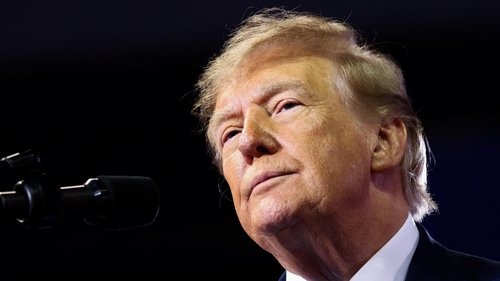
Britain's Brexit experience serves as a cautionary tale for the U.S. as Trump navigates similar challenges.
Britain is watching the evolving situation surrounding President Trump's tariffs with a mixture of astonishment and unease. This reaction echoes its own experiment in economic self-isolation, which began with the referendum to leave the European Union in 2016. Almost nine years after that decision, the ramifications are still felt across the nation.Critics have long labeled Brexit as the most significant act of economic self-harm by a Western nation since World War II. This sentiment resurfaces as Trump implements his own isolationist policies. Recently, the president reversed certain tariffs due to a backlash in the bond market, an action reminiscent of former British Prime Minister Liz Truss's abrupt withdrawal of risky tax cuts, which sent shockwaves through financial markets.Mark Malloch Brown, a former British diplomat, underscores that the consequences of Brexit are still unfolding. The UK now stands at a crossroads, having to choose between rekindling trade relations with the EU or maintaining connections with the U.S. "If the U.K. ends up aligning closely with Europe at the expense of its relationship with America, that's only a partial victory," he asserts.As the economic stakes rise on both sides of the Atlantic, the shared experiences of Brexit and Trump's tariffs serve as timely reminders of the challenges and complexities of navigating international trade and economic policies.