In brief
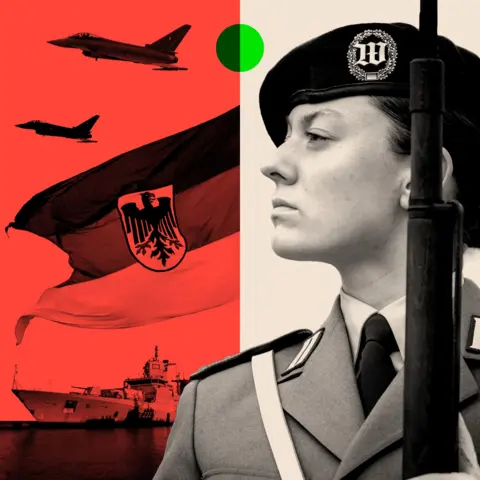
In response to growing threats from Russia, Germany is undergoing a military transformation. With a projected defense budget increase to €162bn by 2029 and a significant expansion in troop numbers, General Carsten Breuer is at the forefront of this revival. This shift signifies a departure from Germany’s post-WWII military posture, as it seeks to play a vital role in European security dynamics.
General Carsten Breuer is a man in a hurry. As head of Germany's armed forces, he's tasked with rapidly expanding the nation's military profile, as fears grow over Russia's rearmament efforts. Breuer believes that Russia could pose a significant threat to NATO territories by 2029, making Germany's military readiness a pressing issue.
I've never experienced a situation which is as dangerous, as urgent, as it is today, Breuer stated at a military base in Munster, affirming the necessity for Germany to prepare for potential conflict.
In a dramatic shift, Germany's military might is set to witness a historic transformation, with spending forecasts reaching €162bn by 2029, up from €95bn in 2025. The public is largely supportive of this rearmament, which marks a stark contrast to Germany's historically cautious military stance since World War II.
Under Breuer's command, troop numbers are expected to increase by 20,000 within a year, aiming for a total increase of 60,000 over the next decade. The German government is also focusing on enhancing its defense industry, reducing dependence on international suppliers for military equipment.
The presence of German troops in Lithuania, a first since World War II, showcases this military resurgence, as close to 1,200 soldiers are stationed there, with plans to increase this number to 5,000 by next year. This action is a clear reflection of Germany's shifted approach towards its military responsibilities on the European stage.
With the backdrop of Russia's military ambitions, Breuer emphasizes that Germany must build its defense capabilities to deter threats. As relations with the United States shift under changing political climates, including recent discord during the Trump administration, Germany's commitment to operational independence within NATO becomes increasingly crucial, marking a transformative period for the nation in the realm of defense and security.