In brief
Health experts warn of potential resurgence of H.I.V. infections in low-income nations if lifesaving treatments are disrupted.
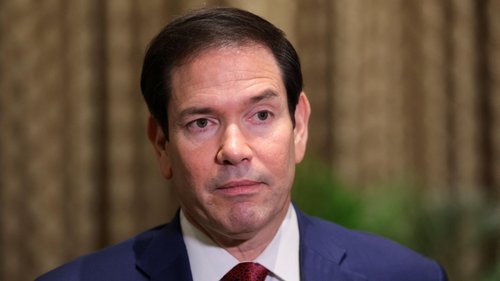
The recent waiver from the Trump administration allows the temporary resumption of H.I.V. medication distribution, previously halted under new directives. Announced by Secretary of State Marco Rubio, this move revives hopes for the President’s Emergency Plan for AIDS Relief (PEPFAR), crucial for providing treatment to millions. However, uncertainties remain about whether the waiver encompasses preventive medications and additional health services offered by the program.Dr. Steve Deeks, an H.I.V. specialist at the University of California, San Francisco, expressed concerns about the ramifications of discontinuing treatment and outlined how a regression could evoke a crisis reminiscent of the 1980s H.I.V./AIDS epidemic. Over 20 million individuals, including an estimated 500,000 children, depend on these life-saving medications. The halt in distribution by health organizations worldwide, effective as of last week, raised alarms that more lives could be at stake in low-income regions.Since its inception in 2003, PEPFAR has played a pivotal role in H.I.V. treatment, credited with saving over 25 million lives and preventing infections in more than 5.5 million infants. Yet, with the program's existing budget of $7.5 billion now under scrutiny, the risk of a return to unchecked H.I.V. infections looms large.The ongoing review of foreign aid programs, which led to the initial freeze on distribution, could determine the long-term fate of H.I.V. treatment efforts globally.