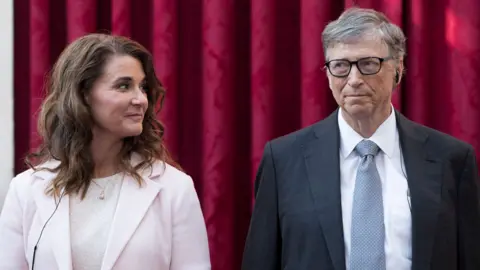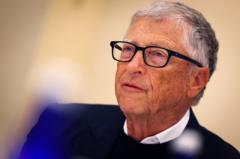
In a recent blog post, Bill Gates, the co-founder of Microsoft, announced his intention to donate 99% of his substantial fortune over the next 20 years. The 69-year-old billionaire revealed plans to accelerate his philanthropic efforts through his foundation, which he aims to dissolve by 2045. "People will say a lot of things about me when I die, but I am determined that 'he died rich' will not be one of them," he stated.
Gates noted that his foundation has already contributed approximately $100 billion (£75 billion) towards health and development projects. He anticipates the foundation will spend an additional $200 billion, contingent on market conditions and inflation, within the next two decades. He referenced Andrew Carnegie's 1889 essay "The Gospel of Wealth," which champions the responsibility of the affluent to reinvest their wealth into society, quoting, "the man who dies thus rich dies disgraced."
This latest announcement marks a shift in Gates' initial strategy; he and his former wife Melinda had previously envisioned the foundation operating for several decades posthumously. Despite pledging to give away such a vast sum, Bloomberg's estimates suggest Gates will still maintain billionaire status post-disbursement.
Gates' blog post illustrates his net worth at $108 billion, depicting a dramatic decline to nearly zero by 2045, with plans for the foundation to utilize its endowment to facilitate the projected $200 billion in charitable contributions.
Since founding Microsoft in 1975 alongside Paul Allen, Gates has gradually distanced himself from the company, having stepped down as CEO in 2000 and chairman in 2014. Influenced by fellow philanthropist Warren Buffett, Gates acknowledged criticism alleging he exploits charitable status for tax benefits and exerts excessive influence over global health initiatives.
He highlighted three key goals for his foundation: eradicating preventable diseases affecting mothers and children; eliminating infectious diseases like malaria and measles; and alleviating poverty for millions. Gates expressed concern over the cuts to foreign aid budgets by the US, UK, and France, emphasizing the possible repercussions for impoverished populations.
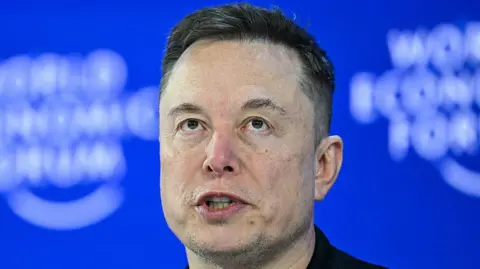
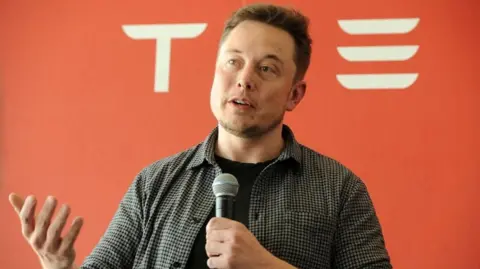
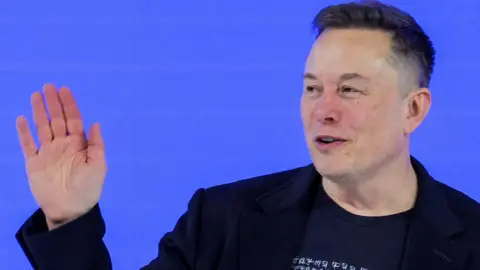
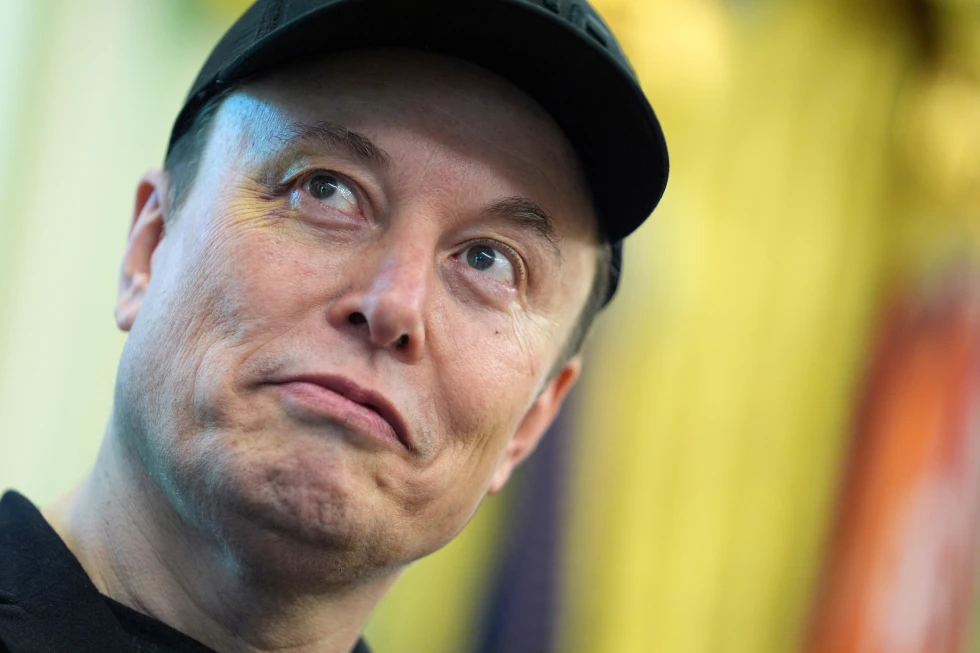
In a pointed exchange with the Financial Times, Gates accused Tesla CEO Elon Musk of contributing to child mortality rates through aid budget reductions. Gates referenced halted grants to a Mozambican hospital that became embroiled in misinformation campaigns. Musk later admitted the inaccuracies of earlier statements yet defended his fiscal decisions.
Gates concluded by reaffirming his foundation's commitment to tackling poverty and supporting self-sufficiency initiatives for struggling nations, despite the uncertain political landscape in rich countries.