In brief
In a heart-wrenching incident, twelve miners lost their lives due to a Russian drone attack on a bus in the Dnipropetrovsk region of Ukraine, carried out by the country's largest private energy firm DTEK. This attack has also left at least 15 others injured, occurring during a time when Russia had purportedly agreed to avoid targeting population centers and energy infrastructure. The conflict escalated further with additional attacks reported on a maternity hospital in Zaporizhzhia and residential areas nearby, igniting criticism of the Kremlin's actions amid ongoing peace efforts.
Twelve miners have been killed by a Russian drone strike in eastern Ukraine, the country’s largest private energy firm has reported.
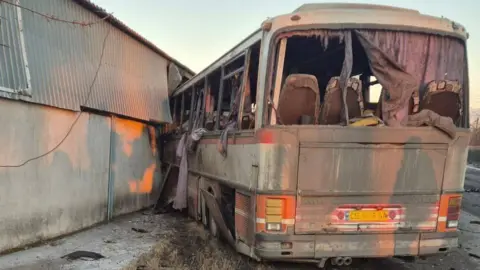
DTEK stated that a bus carrying workers returning after a shift in the eastern Dnipropetrovsk region was hit in the attack on Sunday, which also injured at least fifteen others according to state emergency services.
This assault comes on the heels of other violence the same day, with at least two additional fatalities and nine injuries from separate Russian strikes overnight, including a drone attack on a maternity hospital in Zaporizhzhia.
The strikes are particularly alarming as they took place while Russia had claimed it would avoid targeting population centers and energy facilities during a cold snap. Strikes have persisted in frontline regions, while cities like Kyiv have remained largely untouched recently.
Ivan Fedorov, the head of the Zaporizhzhia region, described the attack on the maternity hospital—where two women were reportedly giving birth—as further “proof of a war directed against life,” emphasizing the dangers facing civilians amidst the ongoing conflict.
Footage from the scene showed extensive damage, with first responders working to evacuate patients from the hospital as flames erupted from the building.
While discussing recent events, Ukrainian Foreign Minister Andriy Sybiha condemned the hospital strike, labeling Russian President Vladimir Putin’s actions as a “war against civilians contrary to peace efforts.”
The drone attack on the DTEK bus led to a revised death toll initially reported to be higher, now confirmed to be at least twelve miners.
In various other locations, additional civilian casualties were reported due to drone strikes, raising urgent concerns as temperatures plummet during a severe winter in Ukraine. Moscow has faced criticism for continuing aerial strikes despite previously stating intentions for peace negotiations in the wake of the current cold weather conditions.
As the conflict continues with negotiations stalling, the humanitarian impact and civilian suffering remain at the forefront of this enduring crisis.