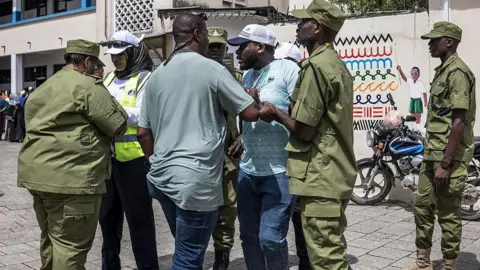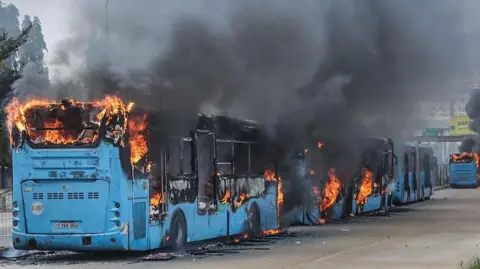
Tanzania’s election landscape has been shaken as the main opposition party, Chadema, has been barred from participating in the upcoming elections. This follows a critical announcement by Ramadhani Kailima, the director of elections at the Independent National Elections Commission (INEC), who stated that Chadema did not sign a necessary code of conduct document by the designated deadline, resulting in their disqualification from the October polls.
This decision comes on the heels of Chadema's leader and former presidential candidate Tundu Lissu being arrested and charged with treason after he called for electoral reforms at a rally in southern Tanzania. With these developments, the ruling party, CCM (Chama Cha Mapinduzi), which has held power for nearly sixty years, is now expected to benefit significantly in retaining control. Kailima confirmed that any party failing to comply with the code of conduct would be excluded from the general election and by-elections until 2030.
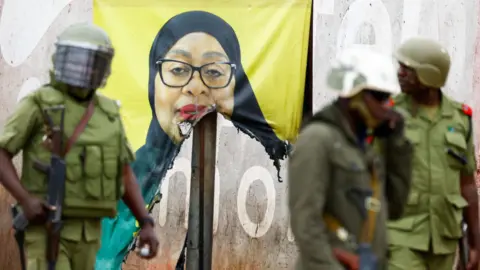
Chadema had previously announced its refusal to attend the code of conduct signing ceremony as a protest against electoral processes it views as flawed. This allowed for heightened tension in the lead-up to the parliamentary and presidential elections, where Lissu intended to challenge the incumbent President Samia Suluhu Hassan. Upon taking office in 2021 following the death of John Magufuli, President Hassan was initially celebrated for rolling back some of the more repressive policies from her predecessor, although her administration has faced accusations of a growing crackdown on dissent from political opponents.
Under the mantra "No Reforms, No Election," Lissu has consistently advocated for vital changes in the electoral commission, advocating for a system free from direct appointments made by Hassan. Authorities have responded to Lissu's protests by accusing him of inciting rebellion and attempting to disrupt the electoral process. Meanwhile, his case is scheduled for a next hearing on April 24 while he remains in custody, with his legal counsel insisting that the charges are politically driven.
Lissu’s tenuous history with the Tanzanian government includes previous arrests and a notorious assassination attempt in 2017. After briefly returning from exile to run against Magufuli in 2020, he left once again, alleging massive electoral fraud. His re-entry in 2023 appeared to be a product of President Hassan's claimed reforms aimed at easing opposition restrictions, yet the current developments seem to dismiss those intentions.