In brief
India's recent decision to suspend the Indus Waters Treaty has sparked debates over its capacity and intentions regarding water flow to Pakistan, a move interpreted as a response to escalating tensions.
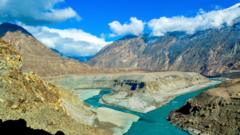
The Indus River, a critical water source for both nations, could become a flashpoint in their complex relationship, with potential ramifications for agriculture and energy supplies in Pakistan.The Indus river flows through parts of India and Pakistan and is central to the ongoing tensions between the two nuclear neighbors. Following a recent terrorist attack in Indian-administered Kashmir, India announced the suspension of the 1960 Indus Waters Treaty (IWT), a long-standing water-sharing agreement governing the rivers of the Indus basin. This treaty, which has historically withstood two wars, is now under scrutiny as India's leadership accuses Pakistan of complicity in cross-border terrorism, a claim that Pakistan vehemently denies.With India holding the upstream position, the implications of suspending the treaty are profound. The IWT allocates three eastern rivers to India—Ravi, Beas, and Sutlej—while Pakistan benefits from the Indus and two tributaries: Jhelum and Chenab. Experts suggest that, although India can modify infrastructure to manage water flow, the logistics of actually holding back or diverting significant river volumes remain daunting. India's existing hydropower plants are primarily designed for run-of-the-river operations and lack the necessary storage capacity. Post-suspension, India may modify its current infrastructure without prior consultation with Pakistan, raising concerns about how this could affect water availability during crucial agricultural periods. The situation is further complicated by Pakistan's reliance on the Indus river system, which sustains over 80% of its agricultural economy and a significant portion of its energy needs.Tensions could escalate if India decides to "weaponize" water and leverage its upstream advantage. While experts argue that risks include flooding its territory due to inadequate infrastructure near the border, the potential for Delhi to unpredictably release silt-laden water could severely damage downstream agricultural sectors in Pakistan.Amidst these developments, the broader regional dynamics cannot be ignored. India's own water security is threatened by upstream activities in Tibet, where China holds significant control over several major rivers, including tributaries of the Brahmaputra. The rivalry over water management underscores a growing concern regarding resource utilization and geopolitical maneuvering in South Asia.As both countries brace for the implications of this watershed moment, the future of the Indus Waters Treaty and regional stability hangs in the balance, reliant upon diplomacy and effective water management strategies in an environment filled with distrust and potential conflict.