---
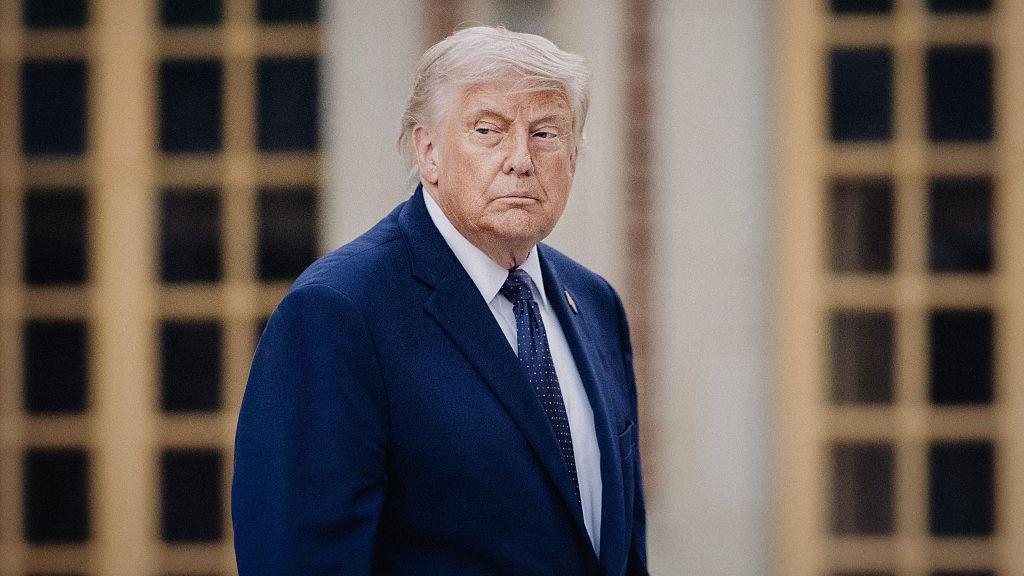
In a shocking escalation of tensions, US President Donald Trump announced on Wednesday that he would impose tariffs on Brazil, potentially as high as 50%. This declaration has set off alarm bells in Brazil, where relations with the US have hit a new low. Trump’s rhetoric targeted Brazilian institutions and announced tariffs in response to what he called "attacks" on US tech firms and a so-called "witch hunt" against Jair Bolsonaro, the former president facing legal challenges over allegations related to the 2022 election.
This move follows a tumultuous back-and-forth between Trump and Brazil's current president, Luiz Inácio Lula da Silva, further straining an already fragile relationship. Trump had previously issued threats against members of the BRICS trading bloc—of which Brazil is an integral part, alongside nations like India and Russia—accusing these countries of adopting anti-American stances. Such statements aim to curb US influence globally, especially against a backdrop of Bolsonaro’s past support from Trump.
Lula swiftly responded to Trump’s tariff threats, asserting Brazil's sovereignty and independence in a post on X (formerly Twitter), claiming that the country would not accept outside control. Following this, Lula's administration has vowed to retaliate, foreshadowing potential tariffs on American goods, though the extent and feasibility of such measures remain unclear.
Trump's escalation of tariffs since his return to office in January suggests a dual strategy not only to stimulate American jobs but also as a tool in foreign policy to align with allies, such as Bolsonaro. Analysts view Trump’s letter criticizing Lula's government as primarily a nod to Bolsonaro’s ongoing legal issues. Observers have noted that Bolsonaro's connections with Trump could cultivate an image of political endorsement at a time when Bolsonaro seeks to re-establish himself in Brazilian politics.
The implications for Brazil’s economy are significant, with anticipated impacts on vital exports like coffee and beef. Bolsonaro's supporters argue this backlash against the current administration highlights Lula’s misplaced ideological priorities over economic realities. However, some analysts suggest that rather than benefit Bolsonaro, Trump's actions may inadvertently strengthen Lula's position by unifying opposition against perceived foreign meddling.
Polls indicate that Trump is widely disapproved in Brazil, with many citizens perceiving tariffs as an assault on national sovereignty. This has motivated Lula and leftist factions to embrace a nationalist narrative, potentially gathering support across the political landscape. As the Brazilian presidential election in 2026 draws nearer, the ramifications of Trump's tariff threats may significantly reshape political allegiances, creating complications for Bolsonaro's right-wing successors.
With the potential for tariffs to disrupt Brazil's economy and complicate domestic politics, Trump's latest maneuver may have unexpected ripple effects in the South American political arena, spotlighting the intertwined fates of both nations.
In a shocking escalation of tensions, US President Donald Trump announced on Wednesday that he would impose tariffs on Brazil, potentially as high as 50%. This declaration has set off alarm bells in Brazil, where relations with the US have hit a new low. Trump’s rhetoric targeted Brazilian institutions and announced tariffs in response to what he called "attacks" on US tech firms and a so-called "witch hunt" against Jair Bolsonaro, the former president facing legal challenges over allegations related to the 2022 election.
This move follows a tumultuous back-and-forth between Trump and Brazil's current president, Luiz Inácio Lula da Silva, further straining an already fragile relationship. Trump had previously issued threats against members of the BRICS trading bloc—of which Brazil is an integral part, alongside nations like India and Russia—accusing these countries of adopting anti-American stances. Such statements aim to curb US influence globally, especially against a backdrop of Bolsonaro’s past support from Trump.
Lula swiftly responded to Trump’s tariff threats, asserting Brazil's sovereignty and independence in a post on X (formerly Twitter), claiming that the country would not accept outside control. Following this, Lula's administration has vowed to retaliate, foreshadowing potential tariffs on American goods, though the extent and feasibility of such measures remain unclear.
Trump's escalation of tariffs since his return to office in January suggests a dual strategy not only to stimulate American jobs but also as a tool in foreign policy to align with allies, such as Bolsonaro. Analysts view Trump’s letter criticizing Lula's government as primarily a nod to Bolsonaro’s ongoing legal issues. Observers have noted that Bolsonaro's connections with Trump could cultivate an image of political endorsement at a time when Bolsonaro seeks to re-establish himself in Brazilian politics.
The implications for Brazil’s economy are significant, with anticipated impacts on vital exports like coffee and beef. Bolsonaro's supporters argue this backlash against the current administration highlights Lula’s misplaced ideological priorities over economic realities. However, some analysts suggest that rather than benefit Bolsonaro, Trump's actions may inadvertently strengthen Lula's position by unifying opposition against perceived foreign meddling.
Polls indicate that Trump is widely disapproved in Brazil, with many citizens perceiving tariffs as an assault on national sovereignty. This has motivated Lula and leftist factions to embrace a nationalist narrative, potentially gathering support across the political landscape. As the Brazilian presidential election in 2026 draws nearer, the ramifications of Trump's tariff threats may significantly reshape political allegiances, creating complications for Bolsonaro's right-wing successors.
With the potential for tariffs to disrupt Brazil's economy and complicate domestic politics, Trump's latest maneuver may have unexpected ripple effects in the South American political arena, spotlighting the intertwined fates of both nations.