In brief
After days of relentless wildfires wreaking havoc in Los Angeles, firefighters are experiencing relief as strong winds lighten, providing a crucial opportunity to improve containment efforts against the raging flames.
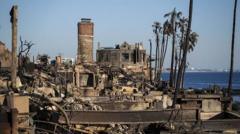
Firefighters combating two major wildfires in Los Angeles are gaining some much-needed respite as the hurricane-force winds that once fueled the flames have significantly weakened. This shift in weather conditions comes after nine days of battling resilient blazes, which have left 25 fatalities and over 12,000 structures in ruins, making it one of the most catastrophic fire seasons in the city’s history.The Eaton and Palisades fires, which have ravaged combined areas of approximately 40,000 acres, are still producing smoke, though containment efforts are showing promise with reduced fire growth reported. The National Weather Service (NWS) has lifted red flag warnings, indicating improvement in the immediate firefighting conditions, but cautions that hazards remain elevated in some southern California regions.Fire officials are carefully monitoring the situation, especially as projections indicate the potential return of the dry and destructive Santa Ana winds early next week, which have historically contributed to the rapid spread of wildfires in the area. Jim Hudson, a Cal Fire incident manager, reported that while 24,000 acres of the Palisades Fire have burned, over 20% containment is in place and significant efforts are ongoing with 5,100 personnel assigned to control the fire's spread.As recovery efforts progress, the losses remain staggering. The number of people still missing is raising concern and evacuation orders are in effect for tens of thousands, many of whom are still subject to curfews during night hours. Climate scientists have indicated that these wildfires have been amplified by human-induced climate change, contributing to the unusual meteorological conditions fueling the flames.With heavy monitoring and additional firefighting resources being sought from neighboring countries, the collective aim remains to stabilize the situation and eventually bring these destructive fires under control. Meanwhile, many California residents are left grappling with the aftermath of one of the most costly natural disasters in American history.