In brief
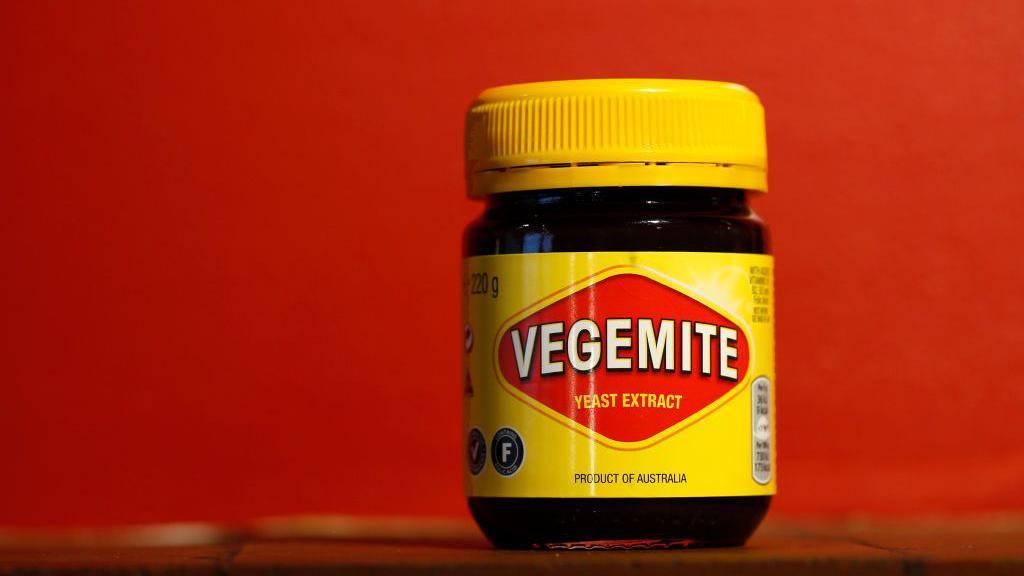
A Victorian prison judge dismissed Andre McKechnie’s appeal to lift a long‑standing ban on the yeast‑based spread Vegemite, citing security concerns and the limits of a life sentence. McKechnie claimed the ban violated his cultural rights and the law requiring suitable prison food, but the court found no legal breach. Officials stated that the strong odor of Vegemite could mask contraband and aid in brewing alcohol between cells. The ban also applies in Queensland, South Australia, and Tasmania, sparking debate over inmates’ dignity and cultural identity. The case follows a 2025 lawsuit in which McKechnie sought the right to eat Vegemite behind bars.
In a decision released Monday, a Victoria Supreme Court judge rejected the appeal of Andre McKechnie, a 54-year-old convicted murderer serving a life sentence, over the state’s ban on the popular yeast‑based spread Vegemite.
McKechnie argued that the ban infringed his cultural rights and the statutory provision that prisons must provide food that allows inmates to maintain their health and well‑being, but the court found no evidence that the ban violated the law.
Corrections Victoria said the starchy paste’s strong smell can mask contraband and is used to brew alcohol between cells, and the ban also extends to Queensland, South Australia and Tasmania.
The case has highlighted a clash between security protocols in Australian prisons and the cultural identity of the nation’s iconic spread, which was first produced in Melbourne in 1923 as an alternative to the British Marmite.
McKechnie’s rejection also follows a 2025 lawsuit where he sought the right to eat Vegemite in confinement, underscoring the growing debate over prisoners’ dignity and the extent of state restrictions on culturally significant foods.
Read more about the lawsuit here.