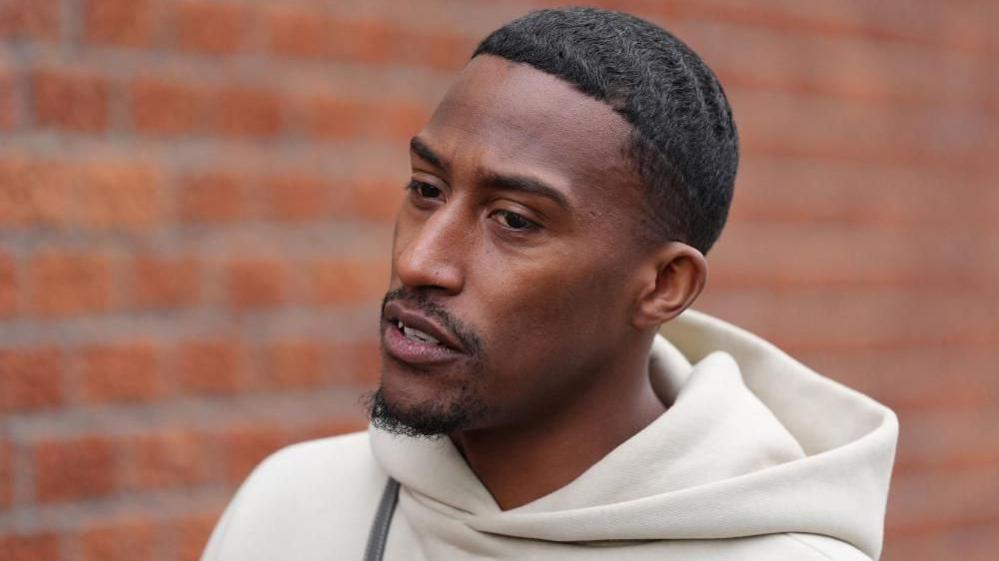
Conor McGregor, the UFC superstar, is facing a dramatic decline in public support following a Dublin jury's guilty verdict in a civil case of sexual assault, where he was ordered to pay nearly €250,000 to his victim, Nikita Hand. The verdict has led retailers and brands to sever ties with him, as stores across Ireland and the UK have removed products linked to the fighter and even erased murals depicting him. McGregor, who has long touted his connection to Irish pride, now faces a significant backlash following the court ruling.
Following the jury's decision, McGregor took to social media to assure his followers that "the fight game awaits," yet the reality on the ground appears starkly different. This legal battle is not an isolated incident; McGregor has been embroiled in various controversies over the past several years, affecting his once-celebrated image as a trailblazer in MMA. Notably, a serious incident in 2018 saw him face charges for throwing a metal dolly at a bus, and he has dealt with legal repercussions stemming from violent behavior.
The fallout from Hand’s assertion has had a profound impact on McGregor's standing within Ireland. Businesses linked to him have removed his products, and Proximo Spirits confirmed they would no longer associate his name with their Proper No Twelve whiskey brand. Leading game developers like IO Interactive have ceased collaborations, and even his likeness has been stripped from attractions like the National Wax Museum in Dublin.
McGregor’s rise to fame has been characterized as a classic rags-to-riches journey, having overcome significant societal hurdles. From humble beginnings, he achieved remarkable success in the UFC, with milestones like simultaneous championship titles in multiple weight classes. However, those achievements are now overshadowed by his troubling legal history and perceived moral decline. Commentators suggest that many Irish people, once inspired by his journey, have now turned their backs on him, viewing his actions as increasingly detrimental to the image of Irish athletes.
In the wake of the verdict, conversations about sexual assault and victim support in Ireland have intensified. Dr. Daniel Kane's testimony during the trial highlighted the severity of Hand's injuries, drawing attention to the ongoing struggle against sexual violence in society. The Dublin Rape Crisis Centre reported a significant increase in helpline calls following the verdict, indicating a rising awareness and willingness to discuss these issues.
Faces of former supporters, gym owners, and social commentators reflect a changing narrative in Ireland, where McGregor is increasingly seen as a fallen icon rather than the hero he once was. A gym owner in Galway made headlines after painting over a mural of McGregor, stating, "people want nothing to do with him." The sentiment echoed throughout social media, emphasizing a shared hope for a more nuanced understanding of and support for sexual assault victims within Irish culture.
As McGregor prepares to appeal the jury's verdict, many are left pondering the future for the once-dominant figure in mixed martial arts. The verdict stands as a significant moment in Ireland, prompting discussions that transcend mere celebrity culture, reflecting a transformative period for the nation in addressing difficult social issues.