In brief
Sudan’s 17‑year‑old mother Amira holds her newborn son, still without a birth certificate, after fleeing El‑Fasher amid RSF violence. She was abducted, abused, and left pregnant amid violence, then gave birth months later under a humanitarian hospital’s care. Without the child’s father’s identity, Amira cannot obtain registration, vaccinations or schooling for her son. NGOs such as the Nada Al‑Azhar Foundation help locate families, but legal hurdles—lack of civil registry offices and social stigma—continue to deny children formal recognition. The crisis reflects a widespread plight of conflict‑born children across Sudan whose lack of identity hampers access to basic rights.
WARNING: Some details in this report may be distressing.
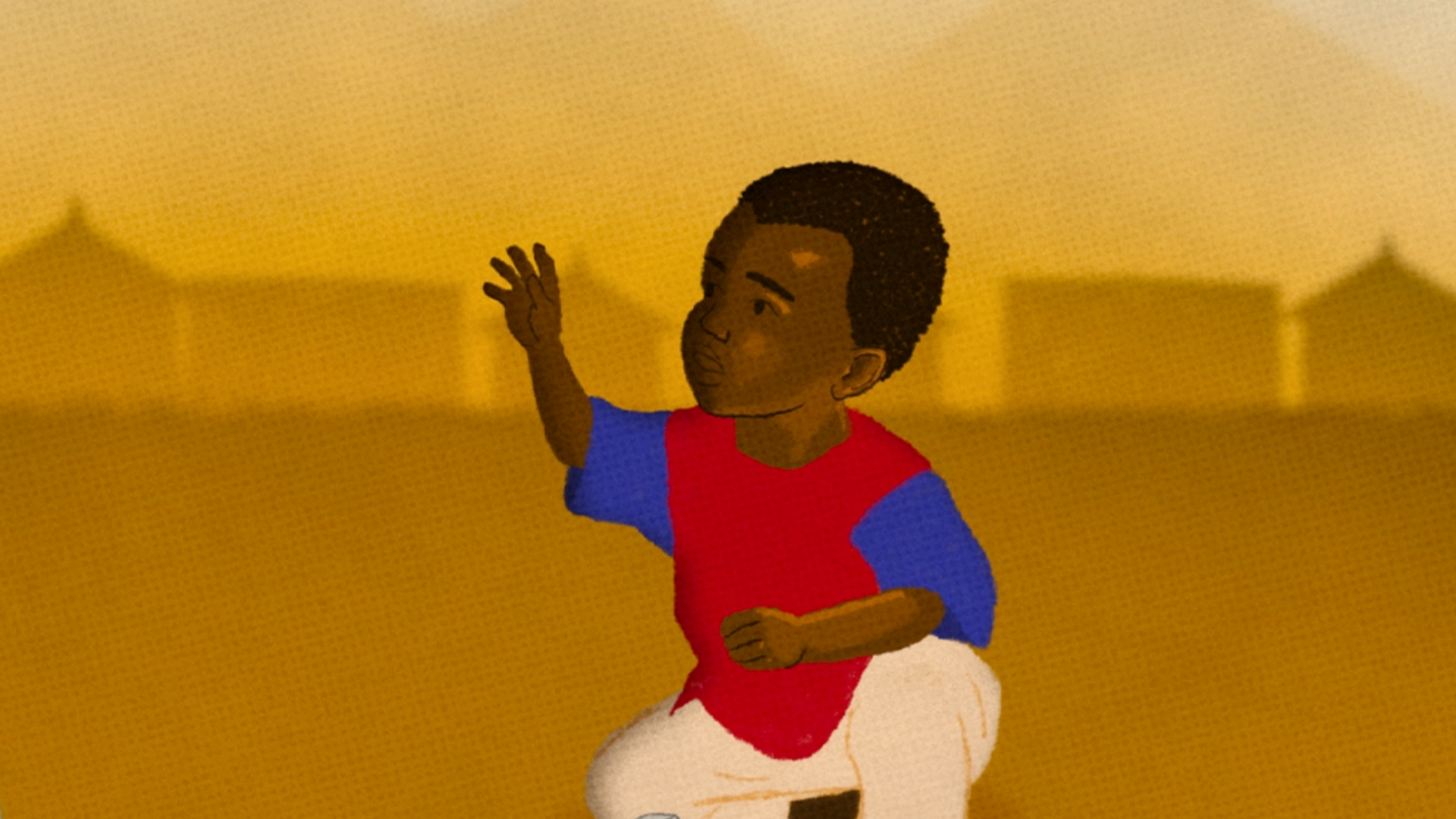
Amira, a 17‑year‑old Sudanese mother, quietly holds her newborn son amid the lingering shadows of war.
"This son of mine has no father, no birth certificate and no national number," she says, her voice low but resolute. The child’s lack of legal identity underscores a hidden crisis in Sudan, where the protracted fight between the Sudanese Army and the paramilitary Rapid Support Forces (RSF) has left many families unable to register births.
El‑Fasher, a city in eastern Darfur, was held by government forces until October 2023, when the RSF captured it after 18 months of siege. During that time residents were subjected to daily bombardment, trench fighting and acute food shortages.
Seeking safety, Amira and her family fled early in 2025. On the way, three armed RSF men abducted her, blindfolded her, and locked her in a room for two months. “Every day one of them raped me in turn,” she recounted, the words husky with trauma.
While in captivity she learned she was pregnant and suffered from severe illness. After weeks she was abandoned near the Tabit area, but other refugees helped shepherd her to medical care.
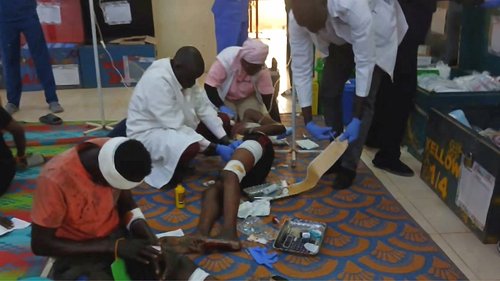
Months later at an International Medical Corps hospital, she gave birth to a healthy boy. The hospital issued a provisional birth notification, but the paperwork demanded a father’s name, which Amira could not provide, leaving the boy unregistered.
Nada Al‑Azhar Foundation for Disaster Prevention and Sustainable Development helped locate her family, who had hidden in a refugee camp, yet they still cannot secure official documents for the child. Amira laments, “I can’t get him vaccinated, enrolled in nursery or school. I’m afraid for his future.”
It is not a marginal issue – Abu Bakr Yousif Yaqoub, Nada’s director of protection programmes, says many children born outside of marriage, often due to wartime rape, cannot be registered because the father is unknown. This de facto denial of identity denies clinics, schools and future travel rights.
Majida Idris, a Sudanese lawyer, explains that the 2010 Child Act allows registration of children born outside marriage, but only if the mother files a formal report of assault. With civil registry offices shuttered in conflict zones, such reports are rarely processed.
Shaza Ahmed, Nada’s director general, highlights the cultural stigma that keeps assaulted mothers from reporting, further compounding the lack of documentation. “Children born as a result of rape face fear, danger and stigma, and will be denied services and rights for years,” she says.
Amira’s family, now reunited, lives in administrative limbo. While they express gratitude for the aid and psychological support they receive, the core issue remains: their child lacks a legal identity, leaving him—and children like him—in a precarious state until civil registers are restored and better protection mechanisms are put in place.