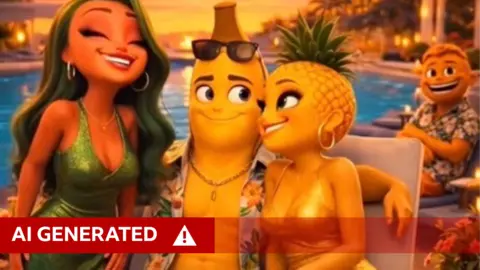
As global elections approach, researchers have raised alarms over YouTube's algorithm promoting AI-generated deepfake political content, often reaching millions of viewers before it is identified and flagged. According to digital-forensics teams, the platform struggles to keep pace with the rapid increase in sophisticated AI-created videos. Ben Colman, CEO of Reality Defender, stated, The speed at which AI content is being created is outpacing the guardrails.
YouTube actively enforces policies to combat misleading election content, but reports suggest that detection and removal frequently lag behind. A spokesperson for YouTube affirmed their commitment to removing manipulative content and applying necessary labels, yet critics indicate enforcement actions are inconsistent, allowing harmful content to circulate unchecked. Sam Gregory from WITNESS voiced that as we enter a new digital era, platforms are unprepared for the confusion between real and fabricated media.
Analysts highlighted troubling patterns of selective enforcement, where certain deepfakes are swiftly removed while others remain online for an extended period, potentially suggesting political biases in moderation decisions. With the impending election season, European regulators are demanding transparency from YouTube regarding how political content is moderated. Failure to address detection and response gaps could render the platform a hotspot for misinformation, significantly influencing voter narratives.
Experts emphasize the crucial need for rapid improvements in YouTube’s enforcement mechanisms, warning that without action, the platform could become a global amplifier of political deception.