In brief
Oracle's recent earnings report revealed a revenue of $16.06 billion for the last quarter, missing the anticipated $16.21 billion. Despite a 14% growth and a significant boost in its AI-oriented Oracle Cloud Infrastructure, the results sparked concerns among investors about AI's sustainability in the market, particularly following a notable partnership with OpenAI. As scrutiny increases over Oracle's debt and market strategies, the company's stock has seen a significant decline from its recent peak.
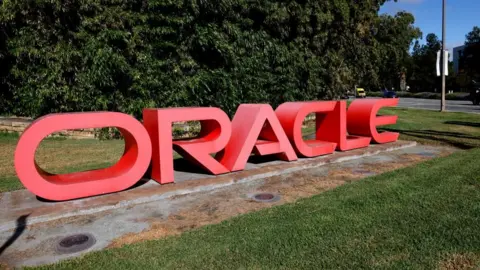
Shares of cloud computing giant Oracle plunged more than 10% in after-hours trading on Wednesday after the company's revenues fell short of Wall Street expectations.
The company reported revenue of $16.06bn (£11.99bn) for the three months that ended in November, compared with the $16.21bn projected by analysts.
Revenue growth was up 14%, with a 68% surge in sales at its AI business, Oracle Cloud Infrastructure (OCI), the company said.
OCI services major AI technology developers whose demand for Oracle's AI infrastructure helped the company's shares reach new highs this fall but Wednesday's results failed to quell fears about a potential AI bubble.
In September, Oracle agreed to a highly sought-after contract with ChatGPT-maker OpenAI, which agreed to purchase $300bn in computing power from Oracle over five years.
Oracle chairman and chief technology officer Larry Ellison briefly became the world's richest man in after the announcement.
But the firm's shares have lost 40% of their value since peaking three months ago. Still, they are up by more than a third since the start of the year.
In a statement issued on Wednesday, Mr. Ellison struck a cautious tone.
There are going to be a lot of changes in AI technology over the next few years and we must remain agile in response to those changes, he wrote.
Mr. Ellison also appeared to snub Nvidia, the designer of highly-sophisticated AI chips, saying Oracle would buy chips from any maker in order to serve clients.
We will continue to buy the latest GPUs from Nvidia, but we need to be prepared and able to deploy whatever chips our customers want to buy, Mr. Ellison declared in a policy he called chip neutrality.
Oracle is involved in multiple AI infrastructure arrangements that have raised the prospect that major players in the sector are participating in 'circular financing' deals whereby companies finance purchases of their own products and services.
Oracle's earnings arrive as investors weigh whether its massive OpenAI partnership might mean overexposure with a customer currently in the spotlight over profitability concerns, said Emarketer analyst Jacob Bourne following the release of the company's quarterly report.
Mr. Bourne said Oracle faced mounting scrutiny over the increased debt the company has amassed to fund building data centres.
Oracle raised a record $18bn in a massive bond sale in September, one of the largest debt issuances ever in the tech sector.
Although Oracle's shares are buoyed by its September surge, this revenue miss will likely exacerbate concerns among already cautious investors about its OpenAI deal and its aggressive AI spending, Mr. Bourne said.
The Ellison family, supporters of US President Donald Trump, also recently purchased Paramount and have spearheaded a bid to take over another major Hollywood studio, Warner Brothers Discovery.