In brief
Sea ice loss along East Greenland’s coast has opened up fresh feeding grounds for large baleen whales. Decades of ship‑ and air‑based surveys tracked hundreds of humpbacks, 6,000 fin and 6,000 minke whales in 2024 alone, a dramatic jump from none in 2006. Researchers attribute the change to warmer seas and shifting fish stocks, predicting the trio will consume roughly 800,000 tonnes of prey each summer. While the whales adapt, other species such as narwhals may lose habitat. The study, published in Frontiers in Marine Science, describes this as “the most radical…in the subarctic.”
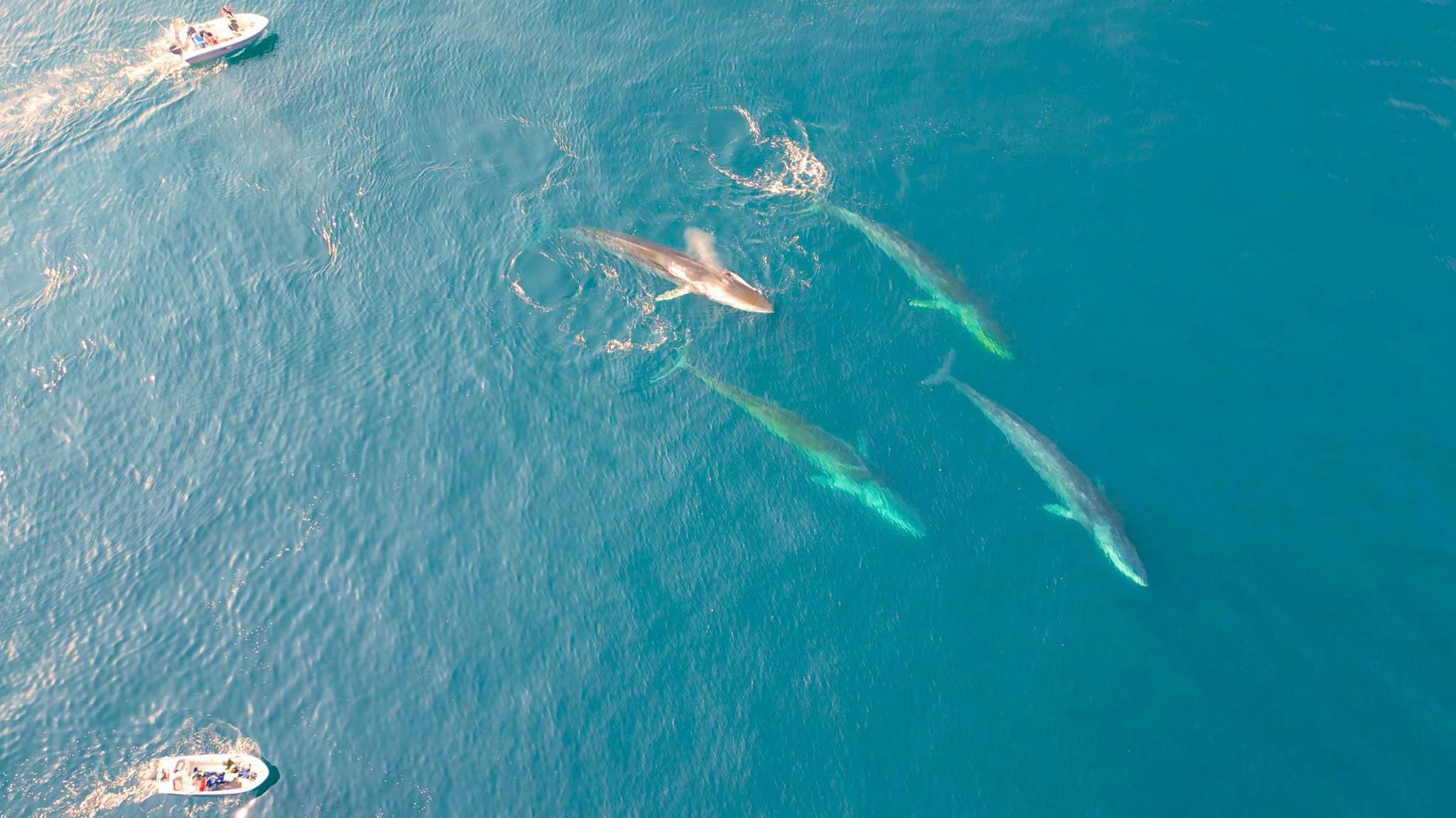
Sea ice loss along East Greenland’s coast has opened fresh feeding grounds for large baleen whales. Decades of ship‑ and air‑based surveys now record hundreds of humpback, fin and minke whales in the region during summer, a behavior unknown until 2006.
Researchers have linked the shift to rising sea temperatures and the migration of fish stocks into warmer waters, causing the whales to exploit previously ice‑locked areas.
The combination of ship‑based sightings, aerial surveys from 2015‑2024, 15 satellite‑tagged whales and Inuit hunter testimonies gave Prof Mads Peter Heide‑Jørgensen a picture of a “major ecological regime shift.”
In 2024 alone, scientists estimated about 4,000 humpback, 6,000 fin and 6,000 minke whales visited the Greenland Sea during summer.
The study predicts these three species will consume in excess of 800,000 tonnes of fish and krill during the season.
While some whales adapt to the warmer conditions, other Arctic species such as narwhals and belugas are “in trouble now,” losing habitat or being displaced by the newcomers.
The research, published in Frontiers in Marine Science, underscores the complex impacts of climate change on marine ecosystems.