In brief
Long‑term surveys show that giant whales are now thriving in ice‑free waters along the East Greenland coast, a change driven by warmer seas and shifting food webs. Between 2006 and 2024, the number of sightings has risen from zero to 150, revealing a seasonal "feeding frenzy" that could alter the region’s marine ecosystem. While the whales benefit, other species such as narwhals and belugas are losing habitat, underscoring a complex climate‑influenced redistribution of life in the Arctic Arctic. Scientists used aerial surveys, satellite tracking and Inuit hunter testimony to map this shift. The findings have been published in Frontiers in Marine Science.
Sea ice has been disappearing from East Greenland, opening the coast to giants that were once locked out by polar ice.
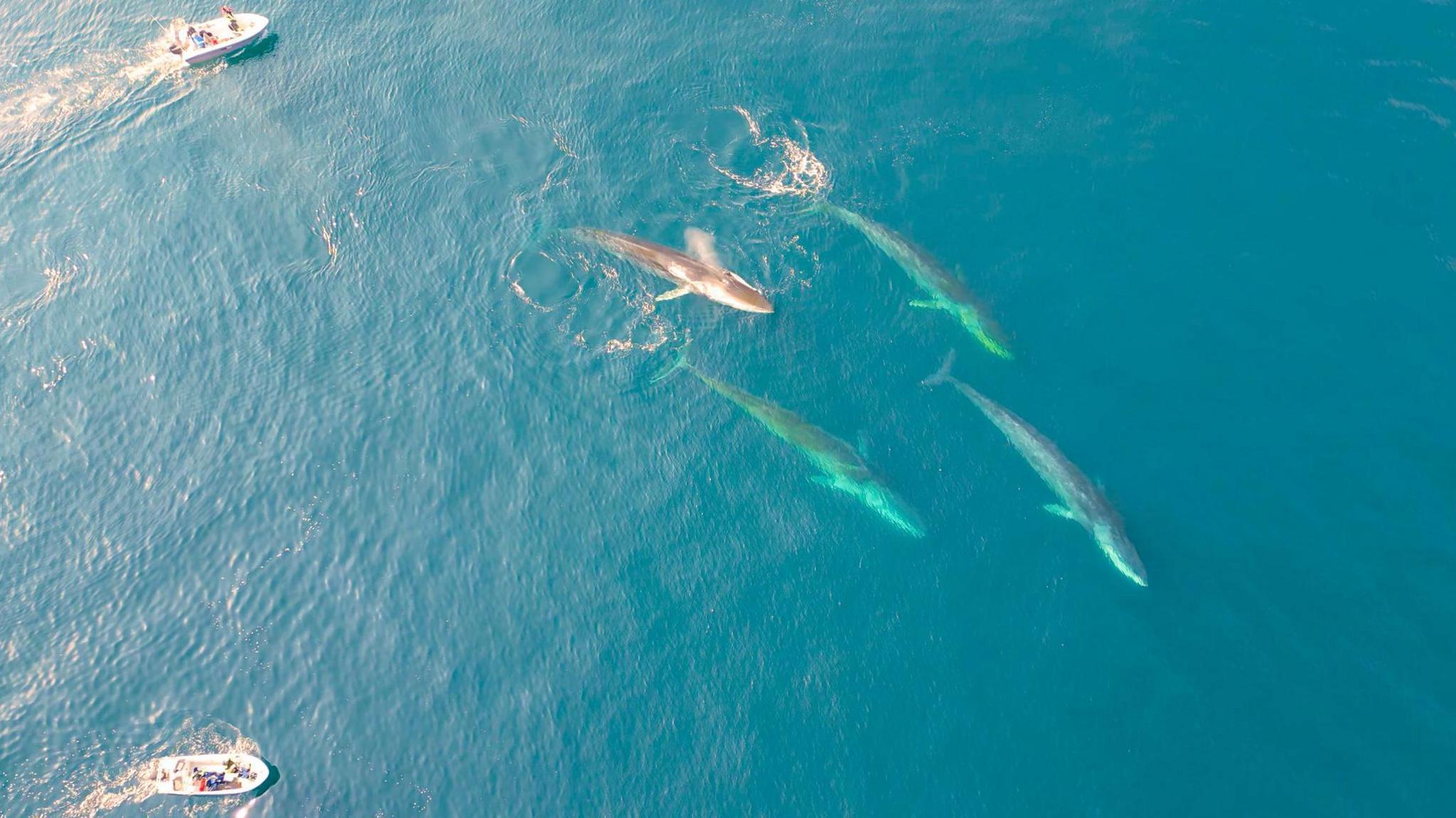
A decade‑long program of ship‑, aerial‑ and satellite‑based surveys shows a dramatic rise in whale sightings: from none in 2006 to 150 in 2024. Species recorded include humpback, fin and minke whales, each consuming at least 800,000 tonnes of fish and krill during the summer feeding season.
The research team, led by Prof. Mads Peter Heide‑Jørgensen of the Greenland Institute of Natural Resources, also fitted satellite tags to several individuals, tracing their seasonal migrations and confirming their shift toward warmer, ice‑free waters.
These findings suggest a “major ecological regime shift”—a pattern experts say is probably “the most radical changes we can see anywhere in the sub‑arctic.” The whales appear to be seizing new food sources, while Arctic species such as narwhals and belugas may become displaced.
The study’s impact extends beyond biology. Some Greenlandic communities fear increased whale traffic could affect hunting traditions and economic interests in West Greenland.
The full research, published in Frontiers in Marine Science, provides a detailed account of how warming seas are reshaping the Arctic’s marine landscape.
For more in‑depth coverage, follow PulseWire’s live streams and the interactive map that plots whale sightings in real time.